A guide to creating a luxury lighting design plan for interior design
Lighting is one of the most transformative elements of interior design, shaping ambience, enhancing architectural features, and elevating the aesthetics of a space. Whether you seek an intimate, warm atmosphere or a dramatic, statement-making interior, a well-planned lighting design scheme is essential. This guide will take you through the fundamentals of luxury lighting design, from layering light to selecting the perfect fixtures for your home. We’ll explore how to design a perfectly balanced lighting scheme, from understanding different types of lighting to selecting the right fixtures for each room.
Jump to:
- Lighting design inspiration
- Learning the fundamentals
- Architectural lighting vs decorative lighting
- Layered lighting
- Understanding colour temperature
- Choosing the right lighting fixtures
- Using light to create visual illusions
- Light and wellbeing
- Working with an interior designer for your lighting plan
- Luxury lighting and interior design experts, London, UK
Lighting inspiration: Mood boarding your vision
Before starting your lighting design, take the time to moodboard your vision. This should be done specifically for the lighting plan but also as a greater part of the overall room interior design aesthetic. Collect inspiration from luxury interiors, architectural designs, and designer lighting collections. Also, make sure to use non-interior design images, as this can encourage creativity. Moodbaroding will help to define the look and feel you want to achieve. Consider the atmosphere you want to create. Do you envision a warm, inviting glow for a classic aesthetic or sleek, cool lighting for a modern, minimalist space? Pay attention to textures, finishes, and the interplay of light and shadow. Using mood boards helps refine your choices and ensures a cohesive, thoughtfully curated lighting plan that aligns with your personal style and the overall design of your home.
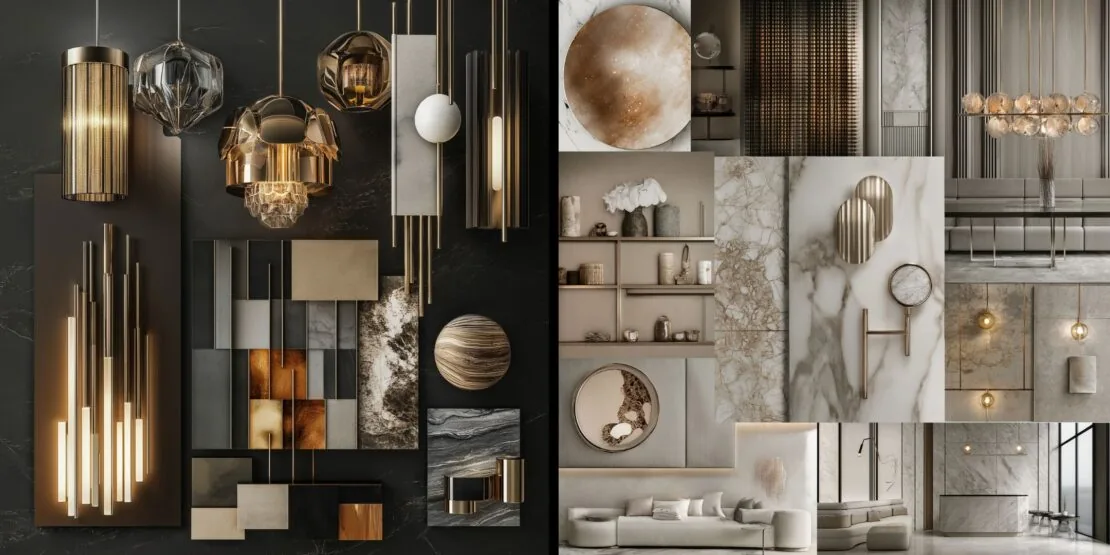
Consider these four essential elements as you curate your mood board:
- Colour: Identify the palette that complements your desired aesthetic, from soft neutrals to bold, dramatic tones.
- Texture: Explore tactile elements like glass, brushed metals, or matte finishes to add depth and sophistication.
- Material: Select materials that convey the level of luxury you want—whether it’s the timeless elegance of natural materials or the modern edge of polished metals.
- Mood: Define the overall atmosphere—be it opulent and grand, soft and inviting, sleek and minimalist, or vibrant and artistic.
Your sources shouldn’t just be limited to interior images—abstract images, for example, can evoke the essence of the space you want to create. Incorporating non-interior visuals can encourage creativity and allow for a freer design direction.
Whether using digital tools like Pinterest or engaging with physical boards, this process allows you to visualise textures, colours, and styles, laying the foundation for a thoughtfully curated lighting scheme.
When working with an interior designer, mood boarding is an essential step in shaping your brief and collaboratively defining the vision for your space. It helps translate abstract ideas into tangible concepts, ensuring every detail aligns harmoniously. Ultimately, this process forms a structured plan to bring your dream lighting design to life with precision and elegance.
Where to start: The fundamentals of lighting design
A well-thought-out lighting plan can transform a space, enhancing its functionality, atmosphere, and overall aesthetic. But where do you begin? Understanding the different layers of lighting, considering the needs of the people using the space, and selecting the right fixtures are all key elements in achieving a well-balanced lighting scheme.
Creating a cohesive luxury lighting plan begins with understanding the function of each space and understanding how light influences space. The right balance of light enhances ambience, functionality, and aesthetics, ensuring your home feels both inviting and beautifully curated.
Ask yourself:
- What activities take place in this space?
- Who will be using the room, and at what times?
- Do I need to create different lighting moods throughout the day?
- Are there architectural features or statement pieces I want to highlight?
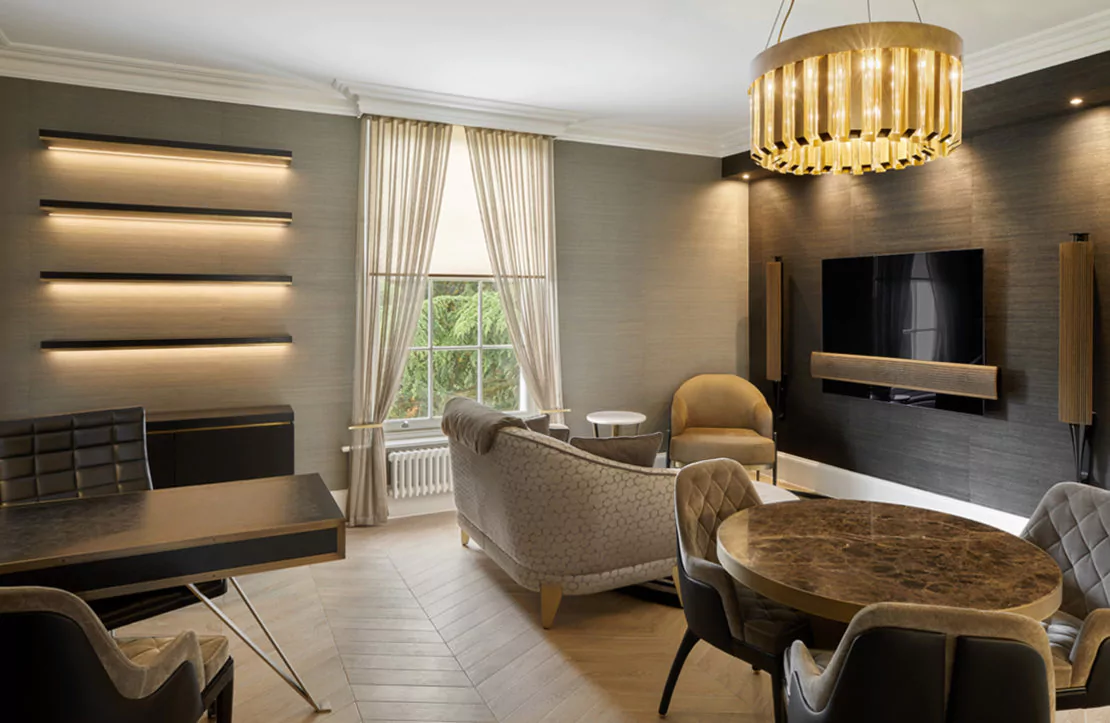
Considerations of usage: Who will be using the room and why?
Every room serves a different purpose, and the lighting should reflect its function. For example:
- Living rooms – Flexible lighting to accommodate relaxation, entertaining, and reading.
- Kitchens – Bright, focused lighting for cooking and food preparation.
- Bedrooms – Soft, ambient lighting with task lighting for reading or for getting glam.
- Bathrooms – Shadow-free lighting for grooming and relaxation.
This will then help you define:
- Purpose of the space – Different rooms require different lighting solutions. A dining room may call for a statement chandelier, while a study benefits from task lighting.
- Natural vs. artificial light – Consider how daylight interacts with your space, what direction it comes from, hope it changes throughout the day and how to use artificial lighting to complement it.
- Dimmable lighting – Do you need the ability to adjust brightness? Allowing you to shift from practical to atmospheric lighting effortlessly.
- Layered lightning – Do you need multiple layers of lighting to accommodate the various activities?
- Accent lighting – Do you want to draw attention to architectural details, artwork, or statement furniture?
Work with your floor plan
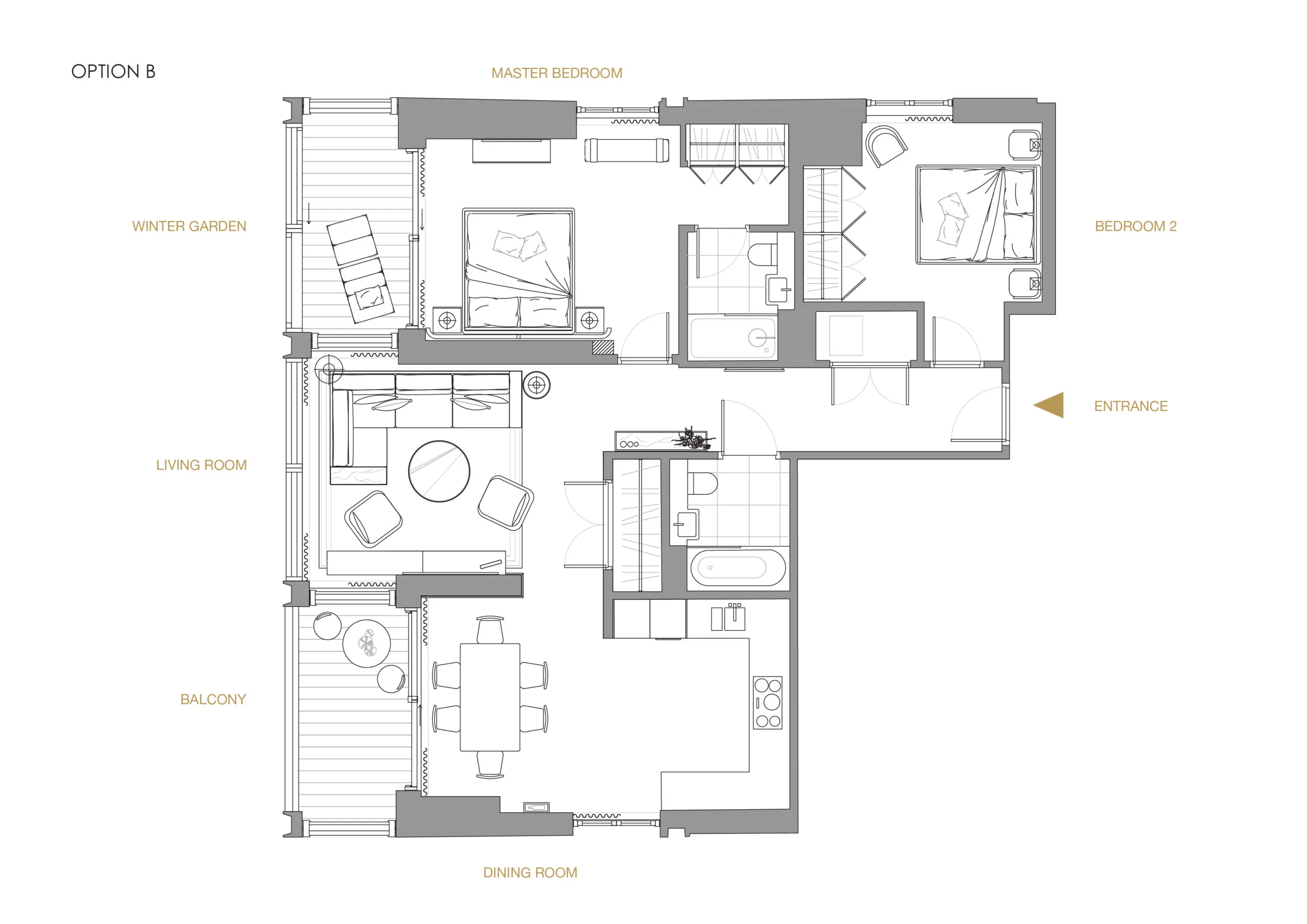
A well-thought-out lighting scheme must work in conjunction with your floor plan and furniture layout. Before selecting fixtures, map out the placement of key elements such as sofas, dining tables, beds, and built-in cabinetry. This ensures that lighting complements the flow of the room, providing illumination exactly where it’s needed—whether it’s task lighting over a kitchen island, ambient lighting for a seating area, or accent lighting to highlight architectural details. Taking this structured approach helps avoid poorly placed fixtures and ensures a seamless, harmonious design.
What’s the difference between architectural and decorative lighting?
- Architectural lighting – Integrated into the structure of a space, architectural lighting includes recessed lights, cove lighting, and built-in LED strips that enhance the room’s form and function.
- Decorative lighting – Statement fixtures such as chandeliers, wall sconces, and pendant lights that add personality and elegance to a space.

Layered lighting: What is it and why do you need it?
A well-lit space incorporates multiple layers of light to create depth, ambience, and functionality. The four main layers of lighting include:
- Ambient lighting – The primary source of light in a room, often provided by ceiling fixtures or recessed lighting. This is your general illumination,
- Task lighting – Focused lighting designed for specific activities, such as reading lamps, under-cabinet kitchen lighting, or vanity lights.
- Accent lighting – Decorative lighting that highlights architectural details, artwork, or statement furniture pieces. Spotlights, wall sconces, and LED strip lighting all add a curated and luxurious feel to a space.
- Mood lighting – Adjustable lighting that enhances the atmosphere, such as dimmable fixtures or table and floor lamps.
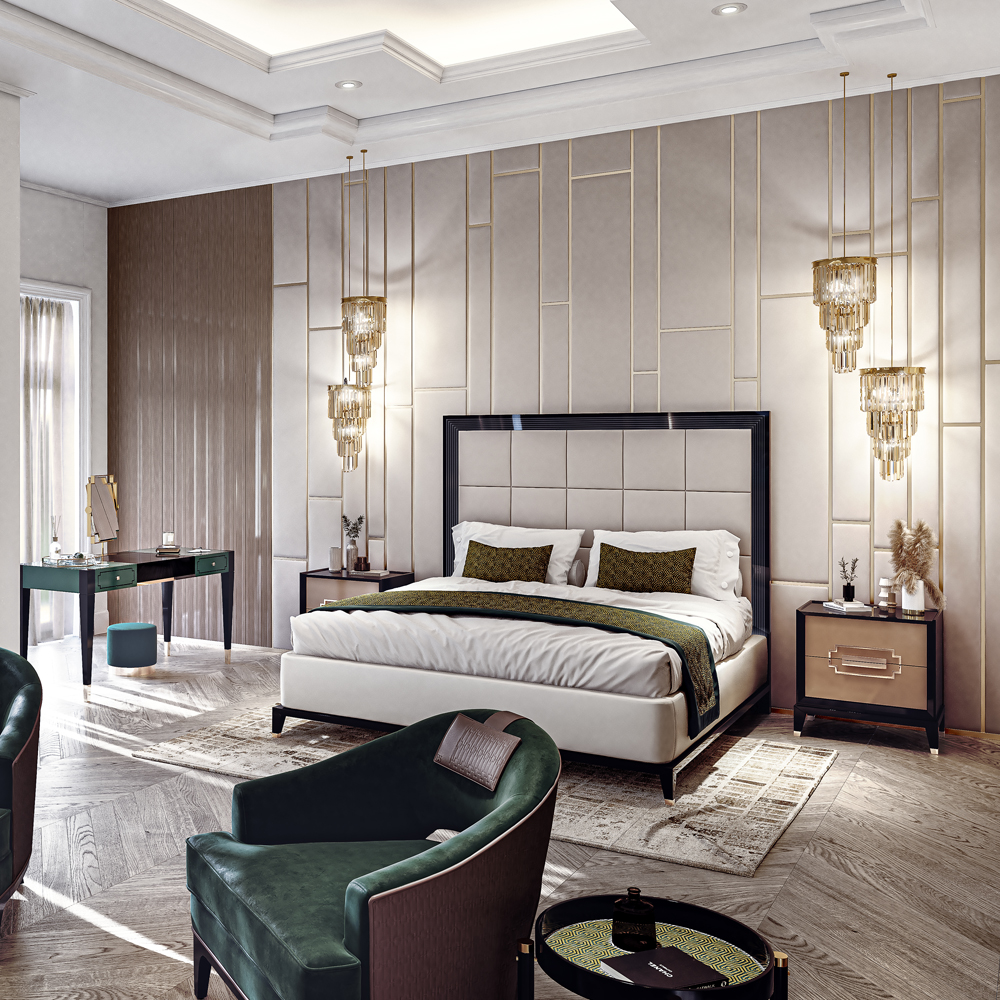
Ambient Lighting (General Illumination)
Ambient lighting serves as the foundation, providing overall illumination for a room. This ensures the space feels bright, welcoming, and functional.
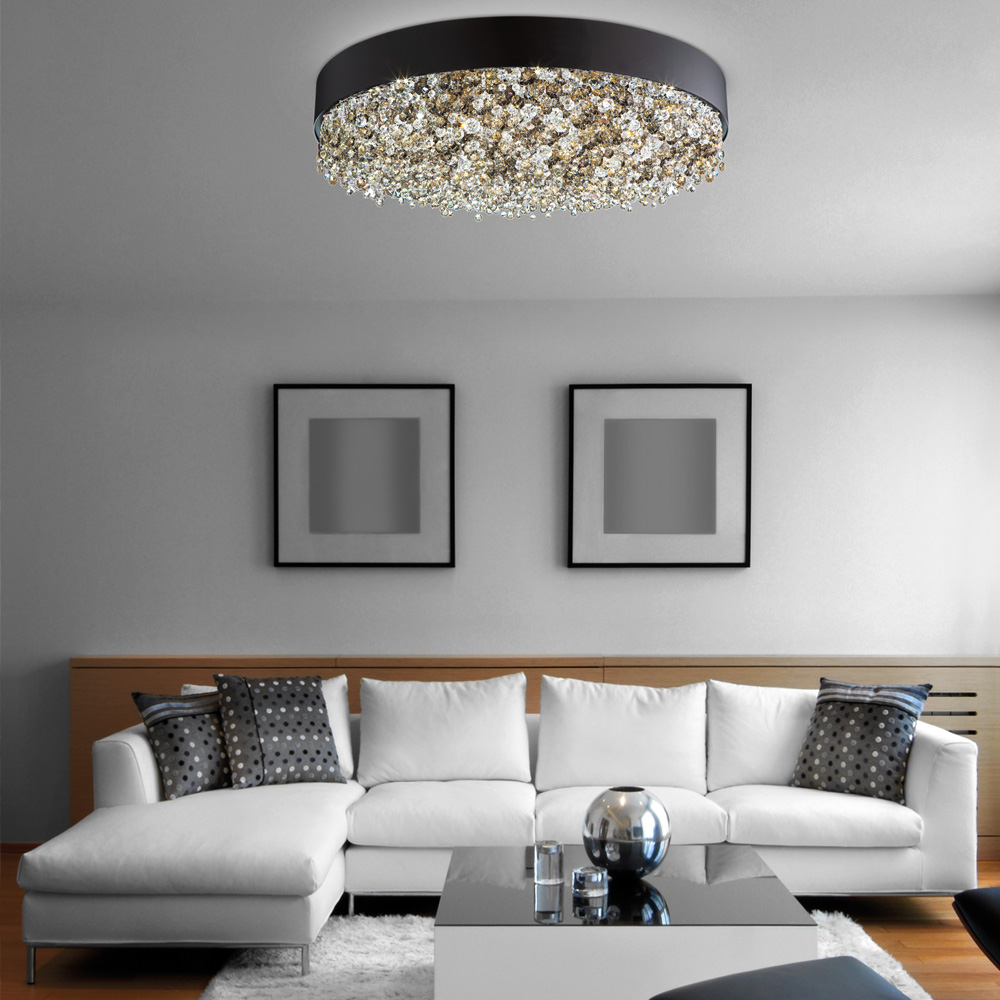
Best ambient lighting solutions:
- Chandeliers
- Ceiling-mounted fixtures
- Recessed lighting
- Large pendant lights
Expert Tip: Opt for dimmable lights to easily transition from bright and practical to soft and intimate at any time of day.
Task Lighting (Focused & Functional)
Task lighting is essential in areas where specific activities take place, such as reading, cooking, or dressing and getting glam. It provides focused illumination to enhance functionality while preventing strain.
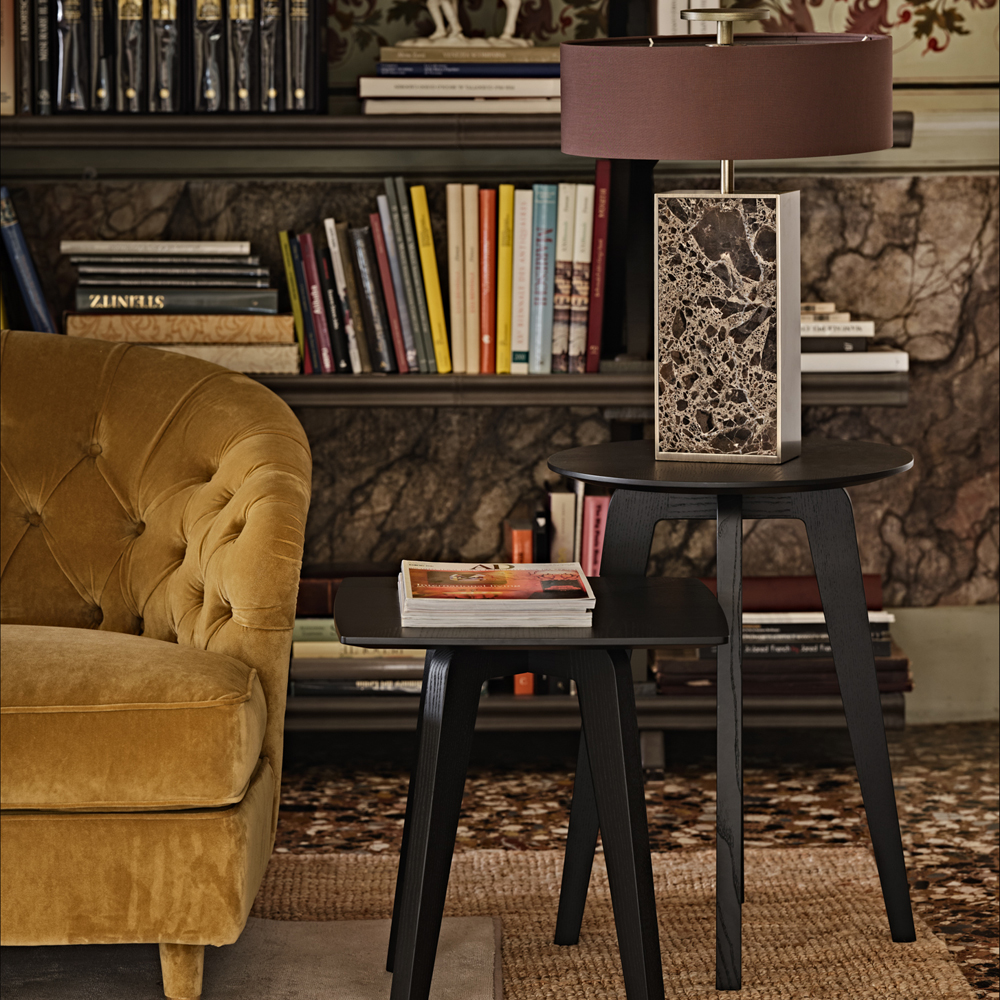
Best task lighting solutions:
- Table lamps
- Floor lamps with adjustable heads
- Pendant lighting over key areas such as kitchen islands
- LED vanity lights for dressing rooms and bathrooms
Expert Tip: Use adjustable and directional fixtures to avoid glare while ensuring a focused beam of light exactly where you need it.
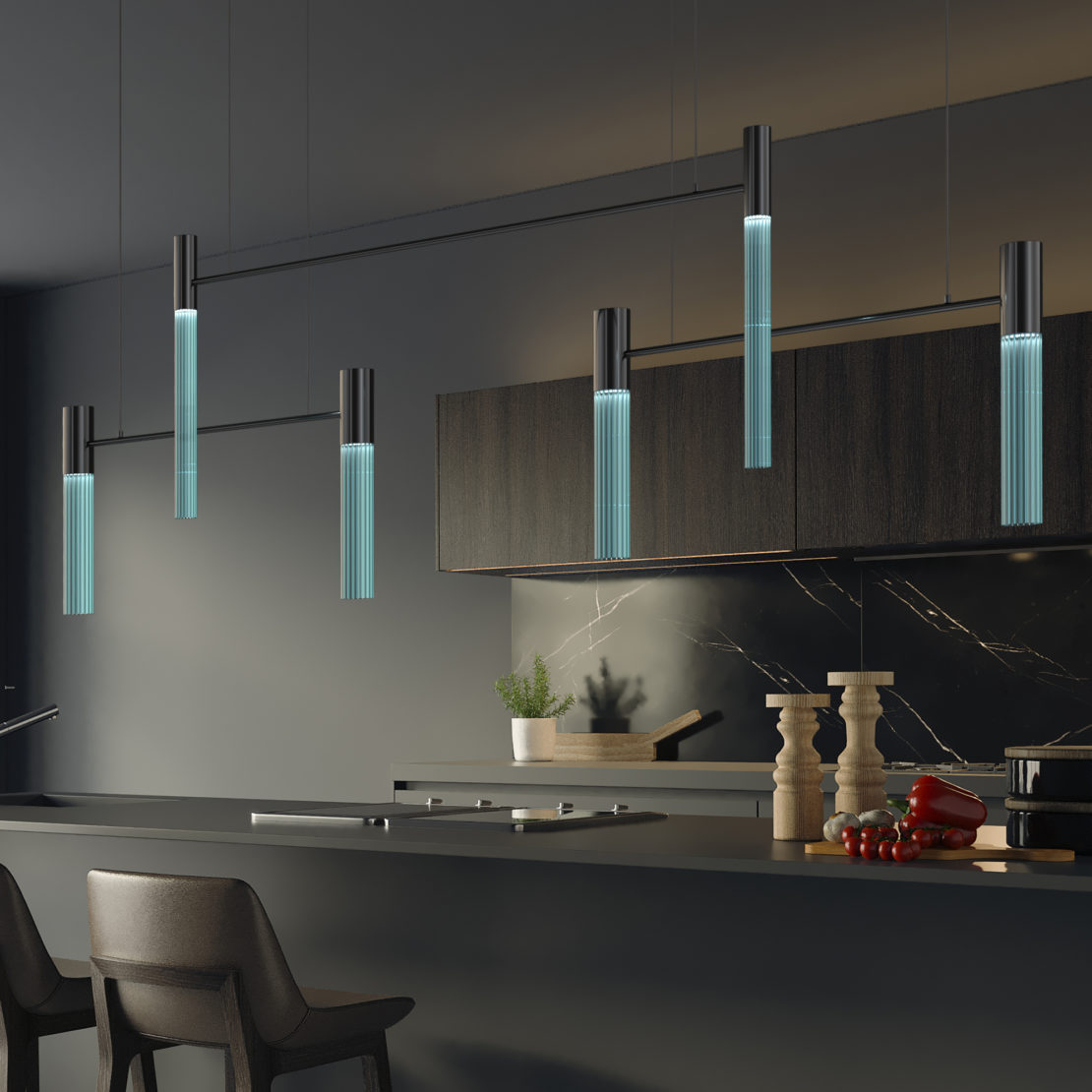
Accent Lighting (Highlighting Features & Décor)
Accent lighting is used to create focal points, highlight architectural details, and add drama to a space. This layer is key in luxury interiors, where attention to detail is paramount.
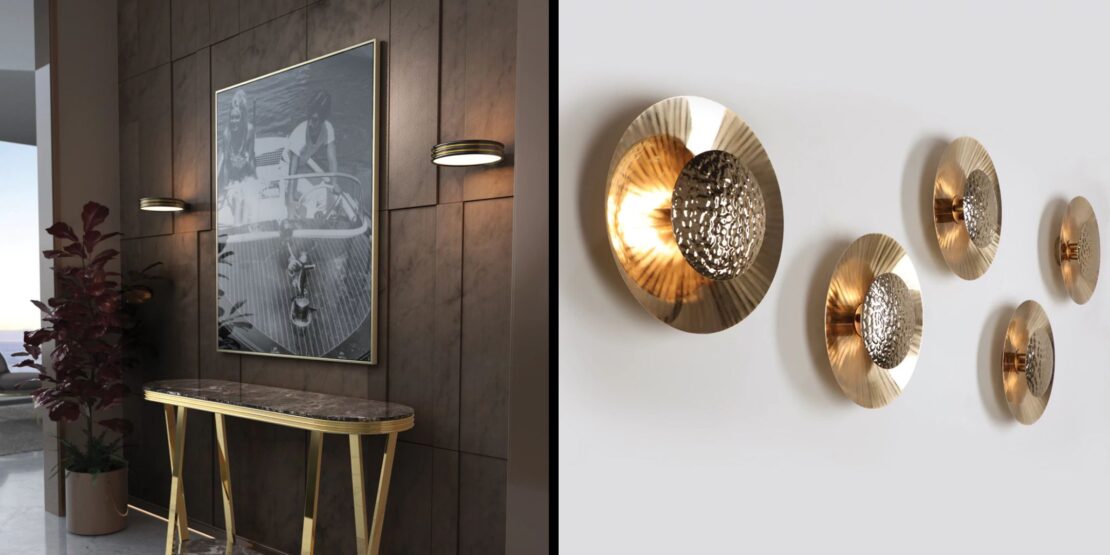
Best accent lighting solutions:
- Wall sconces
- Picture lights for artwork
- LED strip lighting for shelving or cabinetry
- Floor spotlights for sculptures or statement furniture
Expert Tip: Use warm-toned LEDs for accent lighting to create a rich, inviting glow, avoiding harsh or clinical lighting.
Mood Lighting (Setting the Atmosphere)
Mood lighting is essential for creating an inviting ambience, setting the tone for relaxation, romance, or drama. It enhances the warmth and depth of a space, allowing for an effortlessly luxurious feel.

Best mood lighting solutions:
- Dimmable floor and table lamps
- LED strip lighting with warm tones
- Soft-glow wall sconces
- Candle-inspired pendant lights
Expert Tip: Layer different sources of mood lighting to achieve a versatile and adaptable atmosphere, perfect for transitioning from day to night.
Understanding colour temperature
Colour temperature is a key factor in lighting design, influencing both the ambience and functionality of a space. It refers to the warmth or coolness of light and is measured in Kelvins (K).
- Warm Light (2700K–3000K): Creates a cosy, intimate atmosphere, ideal for bedrooms, living rooms, and dining spaces.
- Neutral Light (3500K–4500K): Balances warmth and brightness, making it suitable for kitchens and workspaces.
- Cool Light (5000K–6500K): Mimics daylight, enhancing focus and energy—perfect for offices and task-driven areas.

Why colour temperature matters
The right colour temperature can significantly impact the mood, perception, and practicality of a space. Warm tones evoke relaxation and comfort, while cooler tones promote alertness and concentration. Choosing the appropriate colour temperature for different rooms ensures a harmonious balance between aesthetics and functionality.
Choosing the right lighting fixtures
Each room in your home requires a unique approach to lighting. Below are the best fixture types, where to use them, and expert design tips for optimal impact.
Ceiling lights
Ceiling lighting plays a crucial role in setting the tone for a space, serving as the primary source of illumination while enhancing the overall design. From grand chandeliers to sleek recessed lighting, the right ceiling fixture can define the ambience of a room. Thoughtfully positioned ceiling lights provide both functionality and aesthetic appeal, ensuring a seamless balance of brightness and style. Whether you opt for a grand chandelier, minimalist recessed lighting, or stylish pendant fixtures, selecting the right ceiling light requires careful consideration of several factors:
- Room size and ceiling height – Ensure the fixture is proportionate to the space. A low ceiling benefits from flush-mounted or recessed lighting, while high ceilings allow for dramatic chandeliers or pendant clusters.
- Function of the space – Choose a ceiling light that suits the room’s purpose. For example, kitchens and workspaces require bright, even lighting, while dining rooms benefit from ambient, dimmable options.
- Fixture placement – Positioning is key. In dining rooms, a chandelier should be centred over the table, while in large living areas, multiple fixtures may be required for even distribution of light.

Chandeliers
A chandelier is the ultimate symbol of luxury, making a bold statement in grand spaces. Whether a traditional crystal masterpiece or a contemporary sculptural piece, chandeliers set the tone for elegance. Chandeliers are bang on trend right now.
Best for: Grand entrance halls, dining rooms, high-ceilinged living spaces.
Design Tip: Ensure the chandelier is proportionate to the room—too large, and it overwhelms; too small, and it loses impact. Mixing styles such as a classic chandelier in a contemporary home can create even more drama.
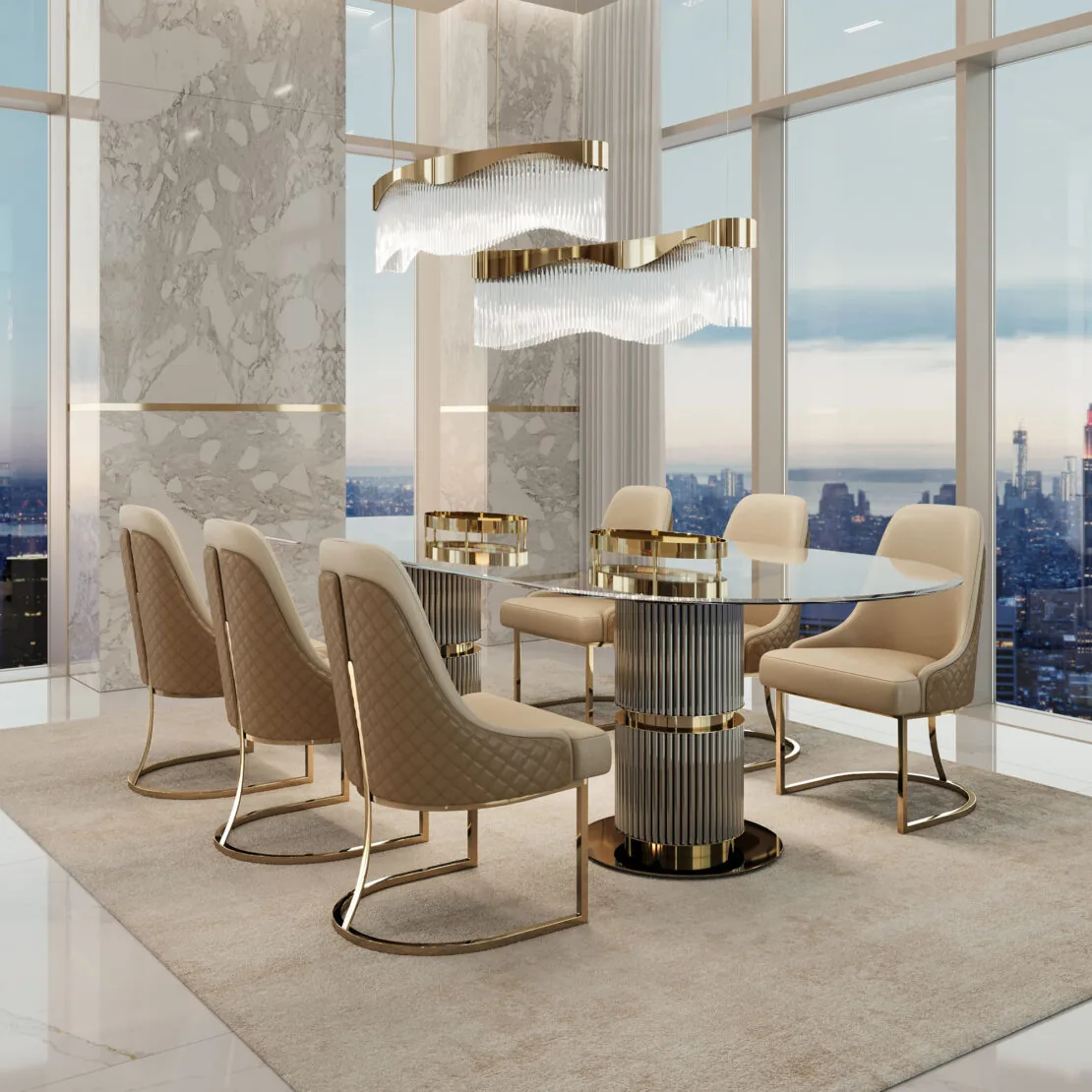
Pendant Lighting
Pendant lights add character and visual interest, offering both style and practicality. A single pendant creates a striking focal point, while grouped pendants provide balanced illumination. They can create a real statement cascading down stairways dramatically hanging in double-aspect ceilings.
Best for: Kitchens (over islands), dining tables, stairwells.
Design Tip: Position pendant lights at the correct height—typically 30–36 inches above dining tables or countertops for an optimal lighting effect.
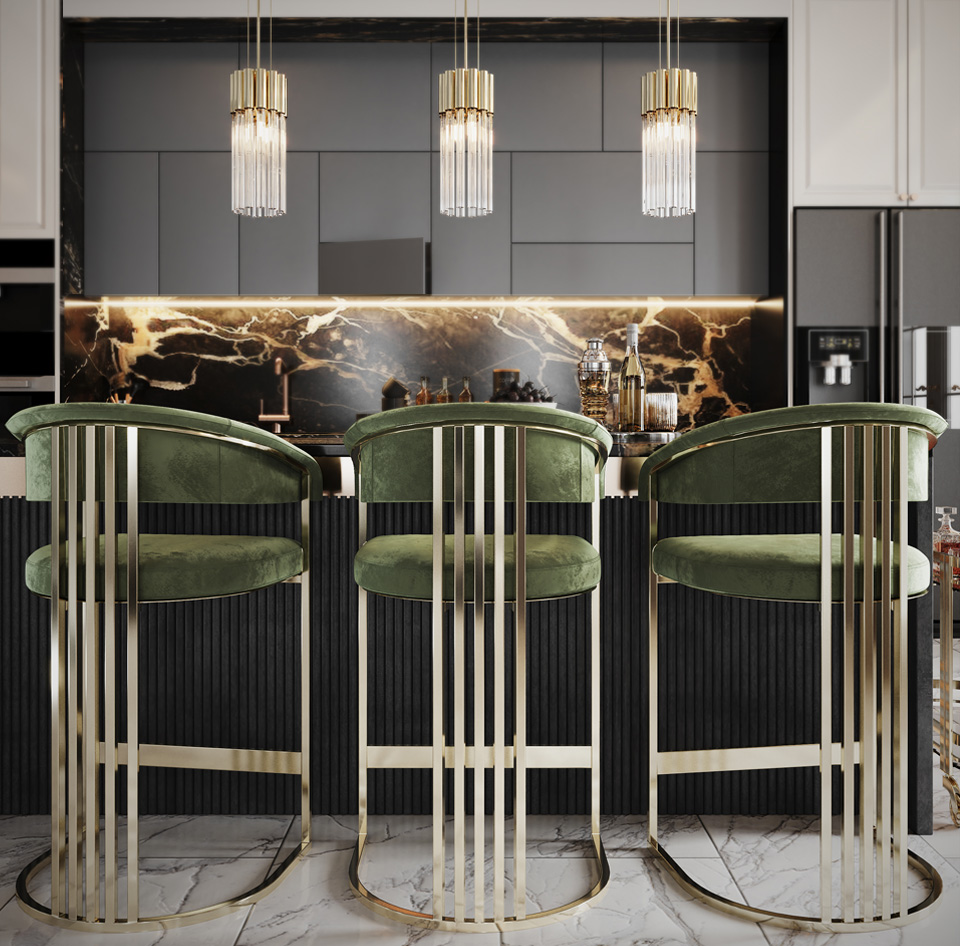
Wall Sconces
Wall lights and sconces introduce soft, ambient lighting while adding a sophisticated decorative element. They can create an inviting atmosphere by softly illuminating the space without overpowering it. Use them to highlight artwork, and architectural features, and to add warmth and depth along the walls. Used strategically, they can also provide intimate bedside lighting.
Best for: Hallways, bedrooms, bathrooms, accent walls.
Design Tip: Pair sconces symmetrically for a polished, balanced look, especially around mirrors or artwork.
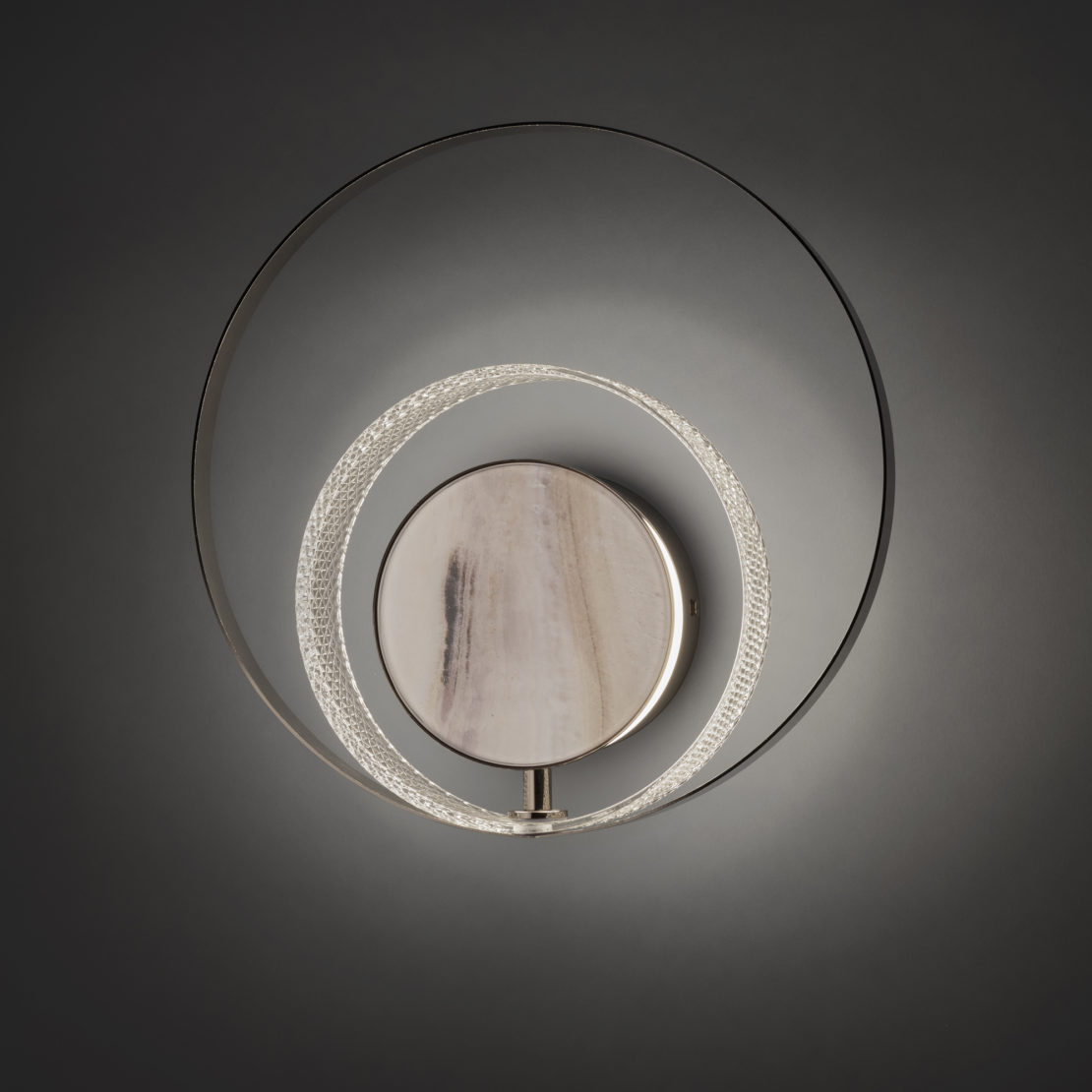
Floor Lamps
Floor lamps serve as both practical and decorative elements. Whether a sleek modern arc lamp or a sculptural Art Deco-inspired design, they add layers of light while enhancing the room’s aesthetic.
Best for: Living rooms, reading nooks, next to armchairs or sofas.
Design Tip: Choose a floor lamp with an adjustable head for task lighting or a sculptural design to serve as a statement piece. Floor lamps offer both functionality and aesthetic appeal, making them a versatile addition to any space. Their ability to be moved and adjusted allows for flexibility in lighting design. They lend themselves to supporting zoning in larger rooms or those with multiple functions. In addition to their practical use, floor lamps add height to a room’s decor, filling vertical space and creating a balanced, harmonious look. Choosing sculptural designs can also introduce a statement element that enhances the room’s aesthetic appeal.
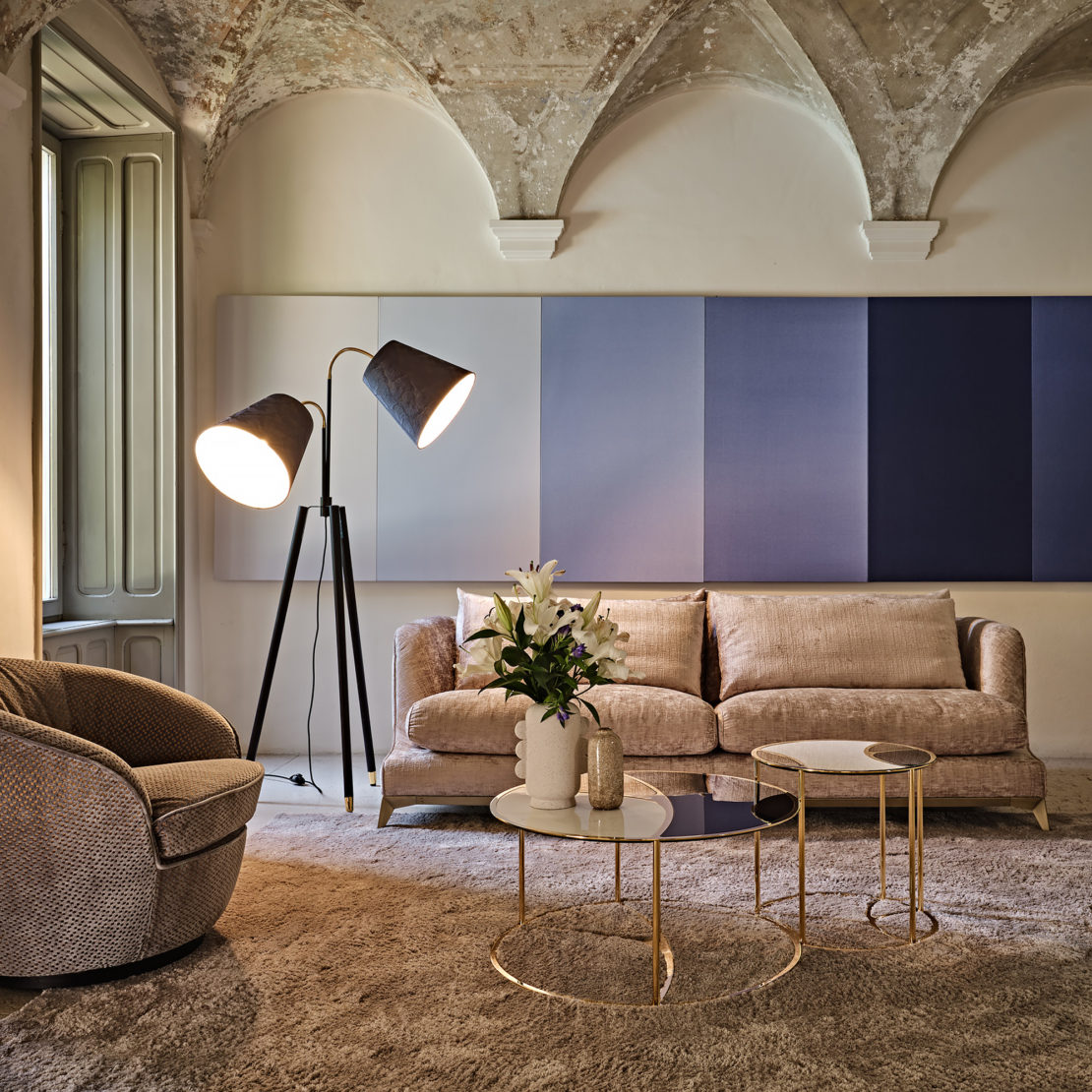
Best for: Living rooms, reading nooks, next to armchairs or sofas.
Design Tip: Position a floor lamp beside a reading chair or sofa to provide ample light for reading or working. Opt for designs with adjustable heads to direct light precisely where needed. In addition to their practical use, floor lamps add height to a room’s decor, filling vertical space and creating a balanced, harmonious look. Choosing sculptural designs can also introduce a statement element that enhances the room’s aesthetic appeal
Table Lamps
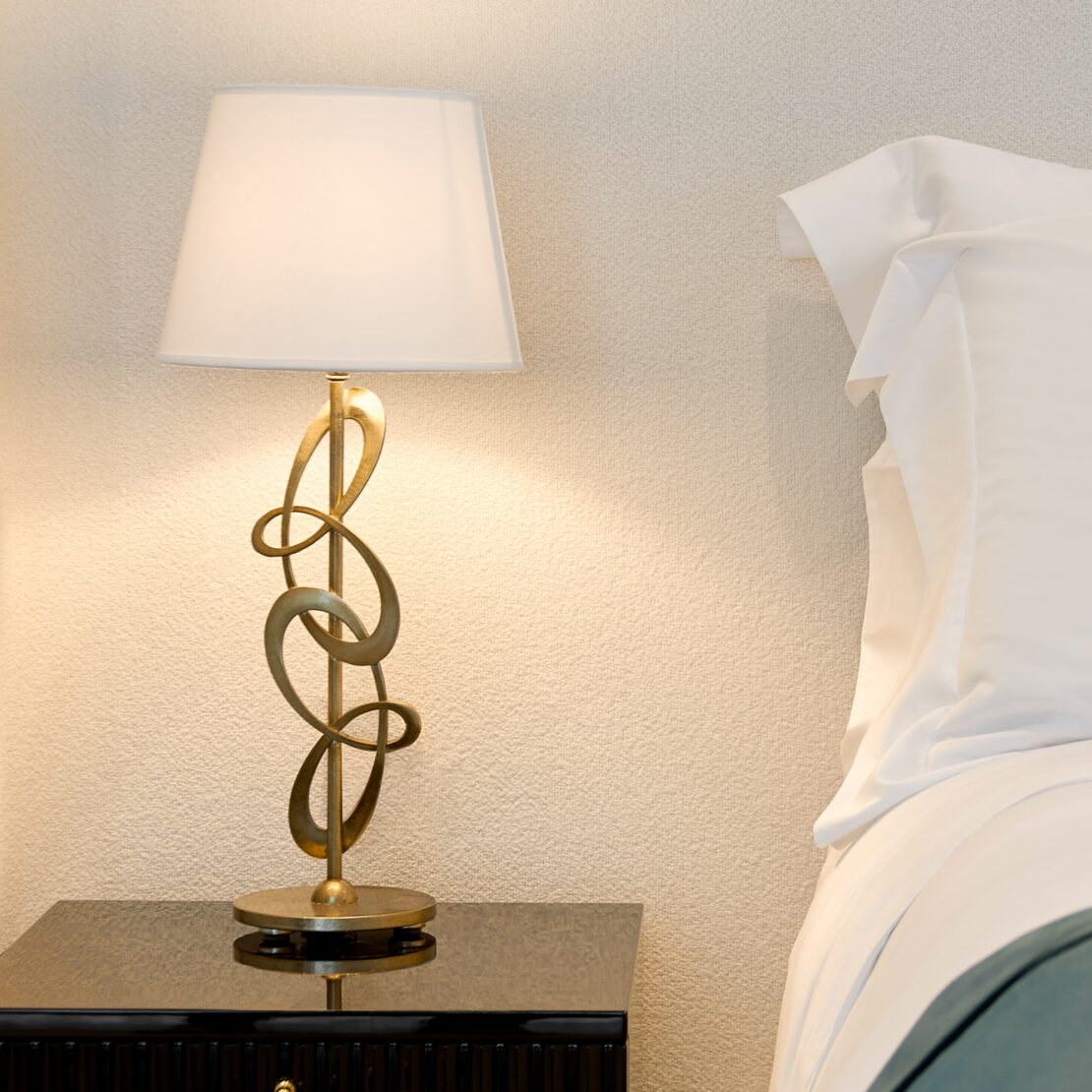
Table lamps bring warmth and intimacy to a room. With materials ranging from hand-blown glass to gilded metal, they can enhance luxury interiors while providing soft, ambient light. Table lamps are ideal for providing targeted light for tasks like reading, writing, or working on a laptop, combining both practicality and style. Table lamps can be used not only for functional lighting but also to highlight key decorative elements in a space. Strategically placing them near vases, sculptures, or statement art pieces can draw attention to these features while adding warmth and depth. Whether placed on side tables, desks, or shelves, they help build a layered lighting scheme that enhances ambience.
Best for: Side tables, bedside tables, console tables in hallways.
Design Tip: Choose table lamps with adjustable arms or dimmable bulbs for flexibility in brightness and direction. Place them in pairs for a symmetrical look or mix varying heights for a more dynamic arrangement.
Recessed Lighting
Minimalist and unobtrusive, recessed lighting provides even illumination without interrupting a room’s design. It is ideal for modern interiors where subtle sophistication is key. By being installed flush with the ceiling, these fixtures create a seamless, modern look.
Best for: Kitchens, bathrooms, contemporary spaces, and rooms with lower ceilings.
Design Tip: Use recessed lighting to make a low ceiling feel higher by placing fixtures strategically around the perimeter of the room. This technique draws the eye upward, giving the illusion of added height. For an extra touch of sophistication, consider recessed lighting with dimmable features or multiple colours to create a layered lighting effect.
LED Strip Lighting
LED strips are a discreet way to add depth and visual intrigue. They can be used to illuminate architectural details, create floating effects, or introduce subtle ambient light.
Best for: Under cabinetry, bookshelves, along staircases, behind mirrors.
Design Tip: Opt for warm LED strips in living areas for a cosy feel and cooler hues for task areas like kitchens.

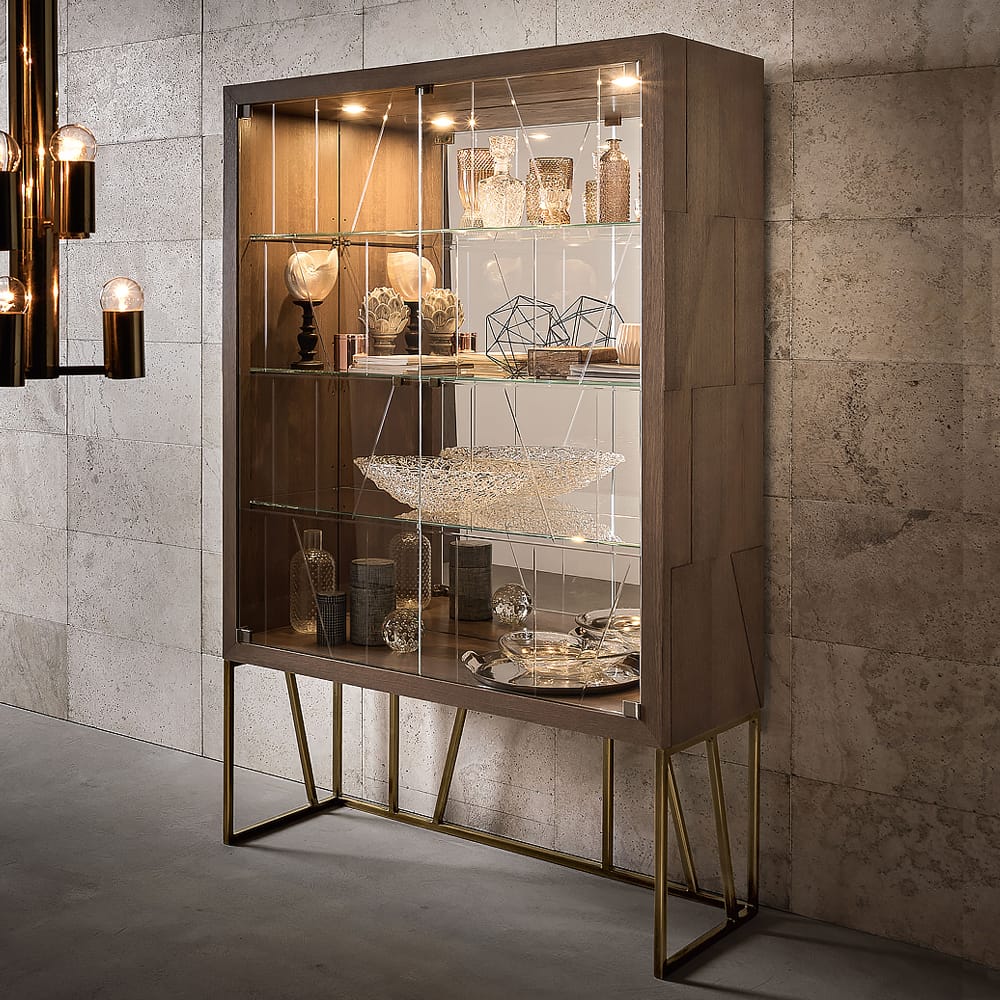
Cabinet & Display Lighting
Designed to highlight display cabinets, armoires, or shelving, this lighting adds elegance while drawing attention to curated collections.
Best for: Glass-fronted cabinets, bookshelves, and display areas.
Design Tip: Integrate LED strips or spotlights into cabinets to enhance the aesthetic appeal while improving functionality.
Using light to create visual illusions
Lighting can be strategically used to manipulate the perception of space, making rooms feel larger, taller, or more open. By combining thoughtful fixture placement with reflective surfaces, you can dramatically enhance the spatial experience of any interior.
Expanding space with light
- Recessed lighting along the edges of a ceiling draws the eye upward, making the room feel taller.
- Wall-mounted sconces with upward-facing light can create the illusion of a higher ceiling.
- Layered lighting with soft, diffused illumination prevents dark corners, making a space appear more expansive.
Using mirrors to amplify light
- Positioning mirrors opposite light sources such as chandeliers or wall sconces reflects illumination back into the room, enhancing brightness and depth.
- Mirrored surfaces on furniture or decorative accents can subtly bounce light, preventing shadowy areas and contributing to a more open, airy feel.
- LED strip lighting behind mirrors in bathrooms or dressing areas provides a soft glow that enhances the perception of space.

Creating a focal point
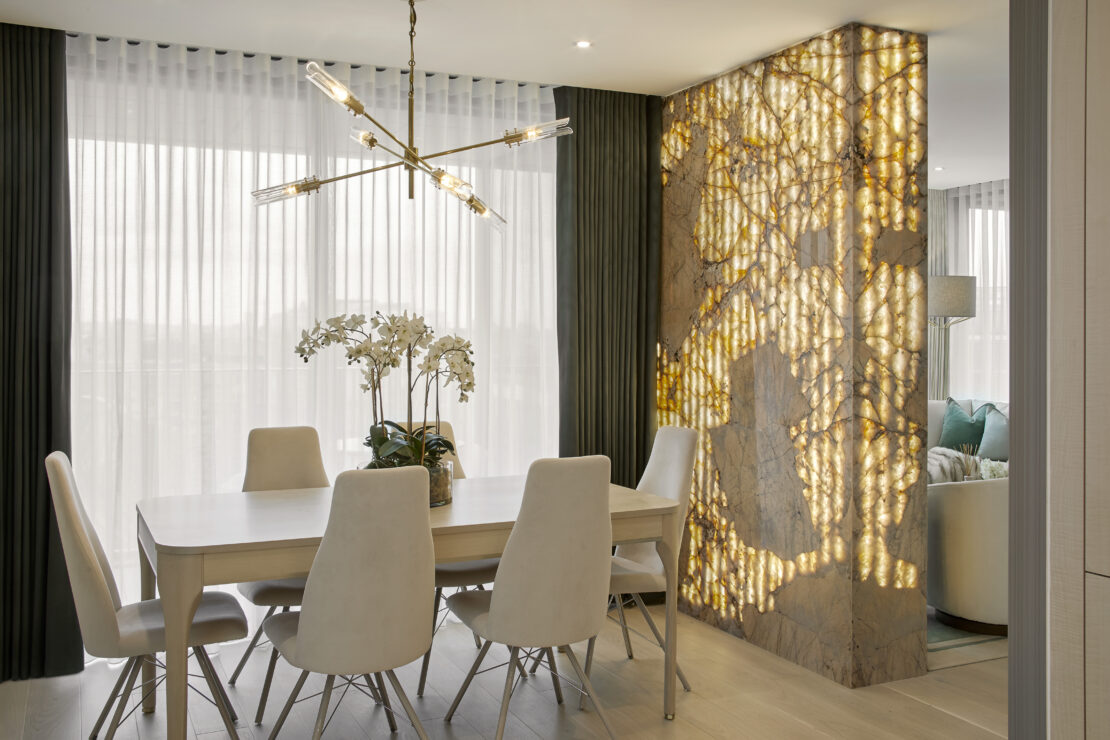
- A statement chandelier or pendant positioned over a dining table or in an entryway naturally draws the eye, anchoring the room and providing a sense of grandeur.
- Accent lighting behind shelving or artwork adds layers of depth, making walls feel more dynamic and engaging.
Expert Tip: Thoughtfully positioning lighting in combination with reflective elements like mirrors and glossy finishes can help reshape a space’s perception, making it feel more luxurious, spacious, and inviting.
Lighting & wellbeing
Lighting plays a crucial role in overall wellbeing, influencing mood, productivity, and even sleep quality. A well-lit space can create a sense of calm, boost energy levels, and enhance daily routines. To incorporate lighting that enhances wellbeing, consider the following:
Smart lighting control – Automated systems that adjust brightness and colour temperature throughout the day can optimise energy levels and mental clarity.
Maximise natural light – Position mirrors strategically to reflect daylight, and opt for sheer window coverings to let in as much natural light as possible.
Circadian rhythm lighting – Use adjustable lighting that mimics natural daylight, helping regulate sleep-wake cycles and improve overall mood.
Layered lighting for balance – A combination of ambient, task, and accent lighting creates a harmonious environment that feels both energising and restful.
Warm vs cool tones – Warm lighting promotes relaxation, making it ideal for bedrooms and living rooms, while cooler tones enhance focus and are best suited for home offices and kitchens.
Working with an interior designer for your lighting plan
Collaborating with an interior designer ensures a cohesive, expertly executed lighting plan that enhances both function and beauty. A designer will consider every aspect of your space, from natural light sources to architectural details, ensuring that lighting is not just an afterthought but an integral part of the overall design.
Benefits of working with an interior designer:
- Expert knowledge – Designers understand how different lighting techniques impact a space and can create a balanced, layered scheme.
- Custom solutions – Whether selecting bespoke fixtures or integrating smart lighting systems, they tailor solutions to suit your unique style and needs.
- Seamless integration – Ensuring lighting complements furniture, textures, and colour schemes for a harmonious look.
- Optimised placement – Preventing common mistakes such as uneven lighting, glare, or poorly positioned fixtures that affect functionality.
- Access to luxury fixtures – Interior designers often have access to exclusive high-end lighting pieces that may not be available to the general public.
Expert Tip: When working with a designer, communicate your lighting preferences early in the process, ensuring your vision is seamlessly integrated into the overall design.
Luxury lighting and interior design experts, London UK
If you’re ready to explore the possibilities for your space, book an appointment at our London design studio. Or give us a call and speak with one of our designers to discuss your vision +44 (0) 203 131 4515 or email us at sales@juliettesinteriors.co.uk. Let’s create something extraordinary together!