Luxury Furniture Buying Guide UK: High-End, Designer and Bespoke Furniture
Luxury furniture is high-end furniture made with superior materials, refined craftsmanship, considered proportions and long-term durability. In the UK, buyers should look for strong construction, premium finishes, customisation options, clear lead times, delivery access checks and a supplier with proven expertise in luxury interiors and bespoke furniture.
How to Choose Luxury Furniture for Your Home
Choosing luxury furniture should begin with the room, not the product. A beautiful piece can still be wrong if the scale, colour, finish or function does not suit the space.
Start by considering how the room will be used. A formal drawing room, family lounge, principal bedroom, dining room and home office all require different levels of comfort, durability and visual impact.
Then consider the architecture. Ceiling height, natural light, flooring, wall finishes and room proportions should influence the furniture choices. Large rooms usually need stronger pieces with enough scale and presence. Smaller luxury interiors require more careful editing, so the furniture feels refined rather than overcrowded.
The final stage is specification. This includes dimensions, finishes, fabrics, leathers, trims, metalwork, stone, glass and any bespoke details. This is where luxury furniture becomes personal.
At Juliettes Interiors, many pieces can be customised by size, colour, fabric, finish and material, allowing clients to create furniture that suits both the room and the wider interior design scheme.
Everything you need to know about choosing beautifully crafted, investment-worthy furniture
In the world of interiors, true luxury is found in the details. It lies in flawless craftsmanship, rare materials and timeless design.
High-end furniture is far more than functional. It is a lasting expression of personal style and refined living. Choosing luxury and designer furniture is an investment in beauty, quality and longevity. Exceptional pieces are made to stand the test of time. They combine artistry, individuality and craftsmanship to elevate every part of a home.
At Juliettes Interiors, we understand that selecting the right pieces is an important decision. With over 20 years of expertise in luxury and bespoke furniture, we are trusted by discerning clients around the world. Our clients include private homeowners, architects, developers and interior designers.
Our carefully curated luxury furniture collections include ready-to-order designs, customisable pieces, bespoke furniture and made-to-measure solutions for every room. Whether you are looking for one statement piece or a complete home scheme, our high-end furniture collection offers designs created for refined interiors, exceptional comfort and long-term quality.
In this guide, we explain the differences between luxury, high-end and designer furniture. We also highlight what to look for when choosing investment pieces. In addition, we introduce the key furniture categories to consider when curating a truly elevated interior.
Our carefully curated luxury furniture collections are designed to inspire. They include ready-to-order designs, customisable pieces, bespoke furniture and made-to-measure solutions for every room, from statement sofas and dining tables to beds, cabinets, lighting and accessories.
Whether you are starting your luxury furniture journey or enhancing a single room, this guide will help you make informed decisions. It is also useful if you are planning a complete home transformation. Use it as a foundation for buying high-end furniture with confidence.
What’s the Difference Between Luxury, High-End and Designer Furniture?
When choosing furniture for a refined interior, it’s important to understand the subtle but significant differences between these terms. While they often overlap, each represents a distinct approach to design and quality.
Luxury Furniture
Luxury furniture represents the pinnacle of design, craftsmanship and exclusivity. These pieces are crafted from the world’s finest materials — think solid hardwoods, natural marbles, handwoven silks and bespoke upholstery — and often involve a significant level of artisanal expertise. Many luxury pieces are bespoke, made to order or highly limited in production, offering an unrivalled sense of individuality and prestige.
At Juliettes Interiors, our luxury collections are carefully selected for their timeless appeal, flawless construction, and the enduring value they bring to a home.
High-End Furniture
High-end furniture offers exceptional quality, sophisticated design, and superior materials, combining the artistry and craftsmanship of luxury pieces with a more accessible approach. Often part of thoughtfully curated collections, high-end furniture blends modern innovation with time-honoured techniques. Durability, design integrity, and beautiful materials are hallmarks of true high-end furniture.
For many, high-end furniture represents an intelligent investment in everyday luxury, creating homes that feel both elegant and liveable.
Designer Furniture
Designer furniture has creativity and innovation at its heart. While some associate “designer” furniture with famous fashion houses or branded collaborations, at Juliettes Interiors, we curate pieces based on design excellence, not simply a label. For us, designer furniture is defined by distinctive aesthetics, unique silhouettes, and imaginative craftsmanship.
It is important to recognise that not all designer-labelled furniture meets true luxury or high-end standards. In today’s market, it is not uncommon for well-known brands to lend their names to collections produced by manufacturers whose quality may not reflect the craftsmanship or exclusivity traditionally associated with genuine luxury design (some “designer” pieces are relatively mid-market).
Why Invest in High-End Furniture?
True luxury is personal. Investing in high-end furniture is not simply about acquiring beautiful objects, it is about curating timeless pieces that are a true reflection of your individuality. Exceptional furniture offers a rare combination of artistry, functionality and enduring value, pieces that are crafted to be treasured for generations, not simply used for a season.
Superior materials, traditional techniques, and meticulous attention to detail ensure that luxury furniture stands apart. Beyond craftsmanship, investing in high-end furniture allows for greater personalisation. Such as bespoke dimensions, custom finishes, and hand-selected materials, allow each item to be tailored precisely to your vision and your home. In a world of mass production, true luxury offers something rare: furniture that is as unique and exceptional as the people who live with it.
Why is luxury furniture more expensive ?
Unlike mass-produced pieces, true luxury furniture is built to last — structurally, aesthetically and financially. Crafted from the finest materials by skilled artisans, each piece is designed to retain its integrity, beauty and desirability over time.
Well-chosen high-end furniture often becomes a lasting asset within a home, holding, and in some cases, even increasing its value as design appreciation and rarity grow. Bespoke and limited-edition pieces, particularly those made with rare materials or exceptional craftsmanship, can become future heirlooms, sought after by collectors and connoisseurs.
Key Considerations When Buying High-End Furniture
When selecting luxury, high-end and designer furniture, there are several important factors to consider to ensure every piece meets your expectations for beauty, quality and performance:
Materials and Craftsmanship
Look for pieces crafted from the finest materials — solid woods, natural marbles, handwoven textiles, and premium leathers. Authentic luxury furniture reveals its quality in the smallest details: the joints, the finishes, the stitching, and the feel.
Design Integrity
A truly exceptional piece should feel cohesive and considered, from its proportions to its overall aesthetic. Whether classic or contemporary, the design should enhance the space, not dominate it.
Bespoke and Customisation Options
High-end furniture often offers the ability to customise finishes, fabrics, sizing and detailing. Bespoke options allow you to create a piece that fits your space perfectly and reflects your individual style.
For clients who require something more specific,bespoke furniture allows a piece to be designed around the room, the architecture and the way it will be used. This is especially valuable for unusual dimensions, specialist storage, statement pieces or interiors where standard furniture would feel compromised.Provenance and Expertise
Choose trusted suppliers with a track record of excellence in furniture design and manufacture. Heritage, craftsmanship and a discerning curatorial eye matter; they are what elevate a piece from simply beautiful to truly remarkable.
Investment Value
While luxury furniture brings immediate pleasure, it also represents a longer-term investment. Well-chosen pieces retain their beauty and functionality over decades, often becoming heirlooms to pass down. So don’t skimp on key pieces; always opt for quality over price.
Understanding Materials and Construction Quality
In luxury and high-end furniture, the true value of a piece often lies beneath the surface. Beyond style and design, materials and construction quality are the defining factors that determine a piece’s longevity, performance, and future value. Knowing what to look for allows you to make informed, confident investments and avoid any costly mistakes.
Luxury Materials: What to Look For
Solid Hardwoods
Solid hardwoods — such as walnut, oak, mahogany, ash and teak — are prized for their strength, natural beauty, and ability to age gracefully. High-end furniture crafted from solid wood offers durability and the ability to develop a rich patina over time, enhancing its character and depth.
Solid wood pieces can be refinished or repaired, allowing them to maintain their beauty across decades. Their versatility complements a wide range of interior styles, from traditional to contemporary. However, it’s important to note that solid wood is sensitive to humidity and temperature fluctuations, which can lead to movement, warping or cracking if not properly cared for. Choosing kiln-dried hardwood frames and professionally finished surfaces ensures that the natural beauty of solid wood endures without compromise. Due to their density, solid wood pieces are also heavier, offering substance and stability but less portability.
Veneer Woods
Fine wood veneers are used to create visually striking surfaces that showcase rare or intricate grain patterns not easily achievable with solid wood alone. Veneering involves applying thin slices of premium wood, such as walnut, ebony, sycamore, or exotic species, over high-quality hardwood cores. When expertly applied, veneers allow craftsmen to enhance design precision, symmetry and artistry. They also offer not only aesthetic richness but also increased structural stability, reducing the risk of warping or cracking that can sometimes occur with large solid wood structures. In high-end pieces, veneers are a deliberate choice that combines lightweight beauty and the ability to create a complex, perfectly balanced aesthetic.
Fine wood veneers are a hallmark of luxury craftsmanship, not a compromise. However, it’s important to understand that veneered surfaces cannot typically be sanded or refinished if damaged, and they may require more delicate handling to prevent chipping or peeling over time.
When crafted with expertise, veneered furniture combines design excellence, artistry and functional resilience — offering luxurious aesthetics with intelligent engineering.
Marble and Natural Stone
Natural stones such as marble, onyx and travertine are celebrated for their unique veining, rich colour variations, and inherent luxury. Each slab is one of a kind, offering a bespoke aesthetic that adds character and prestige to any interior.
High-end marble and stone furniture is crafted for both beauty and resilience. These materials are naturally heat-resistant and extremely durable, making them ideal for kitchens and bathrooms, statement tables, consoles, and accent pieces. When properly sealed and finished by skilled artisans, natural stone surfaces can maintain their elegance for decades.
However, it’s important to recognise that marble and other stones are porous by nature. Without expert finishing and regular maintenance, surfaces may be susceptible to staining or etching over time. Ensuring your furniture is crafted and sealed by master craftsmen is essential to preserving its pristine appearance.
Additionally, the substantial weight of natural stone pieces can present logistical challenges for moving or rearranging. For this reason, careful planning of placement — often supported by professional installation services — is recommended when incorporating marble and stone into luxury interiors.
Upholstery Fabrics and Fillings
Expect hand-selected fabrics made from natural fibres such as leather, cotton, linen, silk, mohair and wool. Luxury upholstery is not only defined by the outer fabric but by what lies beneath: high-density foam cores wrapped with feather or down fillings provide both immediate comfort and maintained structural integrity over time. This ensures that seating retains its shape, loft and support, preventing common issues such as sagging, flattening or distortion even with regular use. Deep button tufting, hand-stitched detailing, and bespoke embroidery are additional hallmarks of true craftsmanship.
Fabric also plays a vital role in luxury design — not only influencing comfort but setting the tone, atmosphere and texture of a space. The choice of fabric can dramatically shape a room’s character, whether aiming for serene and calming, rich and dramatic, or soft and romantic interiors.
There are two primary fabric categories to consider:
- Natural Fabrics: Derived from nature, such as cotton, linen, silk, wool, suede and leather. These materials are prized for their luxurious textures, breathability, and tactile richness. They are ideal for creating relaxed, organic environments or adding a sense of quiet elegance. However, natural fibres can be more prone to creasing and may require gentler maintenance.
- Synthetic Fabrics: Man-made fibres like polyester, nylon and rayon are engineered for durability, stain resistance and ease of care. They dry quickly, resist creasing and can mimic the appearance of natural fibres at a more accessible price point. In luxury settings, synthetics are often blended with natural fibres to combine beauty with practicality, especially in high-traffic areas.
Fabric durability is an essential consideration, particularly for upholstered items such as sofas, chairs, and headboards. The “rub count” (measured by a Martindale or Wyzenbeek test) indicates how resistant a fabric is to wear.
Fabric durability
- Lower rub-count fabrics are suitable for decorative items like cushions, wall panels or drapery.
- Higher rub-count fabrics are recommended for pieces intended for daily use, ensuring long-term resilience without compromising on style or comfort.
In true high-end furniture, fabrics are hand-selected not only for aesthetic appeal but for their ability to perform beautifully over time, offering both sensory pleasure and enduring quality.
Leather
In designer furniture, leather is celebrated for its natural beauty, durability, and ability to develop character over time. Luxury leather is full-grain or top-grain, sourced from the finest hides and tanned using artisanal methods. It should feel supple yet substantial, developing a natural patina over time. With only the finest grade leathers selected for high-end interiors, offering unmatched softness, strength and a richness that deepens with age. Mass-market bonded or corrected leathers, common in lower-end furniture, lack the same tactile refinement and longevity.
Full-grain leather retains the complete grain of the hide, showcasing its natural variations, strength and breathability. Top-grain leather, slightly refined for a smoother surface, offers a balance of softness and resilience, making it ideal for elegant everyday use.
It’s important to note that leather is a living material — it evolves with its environment and the way it is used. Regular conditioning and thoughtful placement away from direct sunlight or extreme humidity can help maintain its suppleness and preserve its refined finish.
Suede
Suede, often considered the softer, more tactile cousin of traditional leather, is prized in luxury interiors for its understated elegance and rich texture. Created from the underside of the hide, suede has a velvety, matte finish that brings a sense of softness and depth to furniture pieces.
While suede offers a uniquely luxurious aesthetic, it does require thoughtful care. Its open-pored structure makes it more sensitive to moisture and staining than full-grain leather, so placement and maintenance should be considered carefully. Protective treatments and regular professional cleaning can help preserve its softness and appearance over time.
Silk
Few materials embody pure luxury as effortlessly as silk. Renowned for its luminous sheen, softness, and exquisite delicacy, silk has been prized for centuries in the world’s finest interiors.
In high-end furniture and decor, silk is often used for upholstery, wall coverings, and accent detailing, creating a sense of refined glamour and subtle opulence. The natural fibres catch and reflect light, lending a soft glow and richness of colour that synthetic fabrics cannot replicate.
However, silk’s beauty comes with a certain fragility. It is sensitive to abrasion, sunlight, and moisture, requiring careful handling and thoughtful placement. In furniture, silk is best suited for low-traffic areas, decorative panels, or statement pieces where it can be appreciated without heavy use.
Given its delicate nature, silk benefits from thoughtful care. To preserve its lustre and softness, avoid prolonged exposure to direct sunlight by using UV-resistant linings or positioning furniture away from bright windows. Professional fabric protection treatments designed for natural fibres can also help protect against stains, humidity and fading, ensuring your silk pieces retain their beauty for years to come.
Metals
Metals are a key feature of luxury interiors, prized for their ability to add structure, shine, and refined detailing to furniture and decor. In high-end applications, metals are used for frames, handles, trims, mirror surrounds, table bases, and intricate accent work, offering both functional strength and visual glamour.
Luxury furniture typically features premium finishes such as polished brass, brushed gold, nickel, bronze, and stainless steel. Artisanal metal finishing — whether hand-brushed, patinated, or polished — enhances both the beauty and durability of each piece. Properly treated, these metals are resistant to corrosion and maintain their brilliance over time. Untreated metals like raw brass or bronze will naturally develop a patina, deepening their character if cared for thoughtfully.
Glass
When used in luxury homes, glass brings purity, craftsmanship and structural integrity to an interior. Although it appears light and delicate, high-quality glass offers strength, clarity and refinement.
In high-end furniture, glass is chosen for both its visual impact and its performance. It reflects light, enhances spatial openness and adds a polished, sophisticated finish to a room.
Why Glass Is Used in Luxury Furniture?
Luxury glass is valued for its versatility. It can feel clean and contemporary, or rich and decorative, depending on the finish chosen.
It is often used for:
- Tabletops
- Shelving
- Cabinet doors
- Mirrors
- Lighting
- Partitions
- Decorative furniture details
Each finish offers a different balance of beauty, durability and practical performance.
Tempered Glass
Tempered glass is heat-treated to increase its strength and safety. It is commonly used for luxury tabletops, shelving and structural furniture elements.
This type of glass offers excellent durability and impact resistance. It also provides a smooth, polished finish, which is a hallmark of high-quality furniture.
Low-Iron Glass
Low-iron glass is also known as ultra-clear or optiwhite glass. It removes the natural green tint often found in standard glass.
The result is exceptional clarity and brightness. This makes it ideal for designs where purity of colour, light and transparency are essential.
Antiqued or Aged Mirror Glass
Antiqued mirror glass brings depth, character and a sense of history to an interior. Artisanal techniques create soft, irregular patinas that replicate the look of aged mirrors.
Each piece is slightly unique. As a result, antiqued mirror glass works beautifully in both traditional and contemporary luxury interiors.
Frosted, Etched or Sandblasted Glass
Frosted, etched and sandblasted glass features a matte or semi-translucent surface. These finishes are created through fine texturing processes.
They add privacy, softness and tactile elegance to furniture and interior features. They are often used for partitions, shelving, cabinet fronts and tabletop designs.
Tinted or Smoked Glass
Tinted and smoked glass is infused with deep bronze, grey or smoky blue tones. These finishes create an atmospheric and dramatic effect.
They pair especially well with metal, dark wood, marble and lacquer. Therefore, they are often used in modern luxury interiors where richness and depth are required.
Crystal Glass
Crystal glass contains a higher lead content, giving it brilliant refraction and enhanced weight. It is sometimes used in decorative furniture details and high-end lighting.
This material offers exceptional shine, clarity and visual drama. For that reason, it is usually reserved for statement pieces rather than everyday surfaces.
Caring for Luxury Glass
Luxury glass surfaces are typically tempered and treated to resist staining and water damage. However, they can still be sensitive to scratching, fingerprints and abrasive cleaning products.
Regular gentle cleaning will help preserve their pristine appearance. Use soft cloths and suitable glass cleaners, and avoid placing sharp or heavy objects directly onto delicate glass surfaces.
Finishes and Hardware
In high-end furniture, the quality of a piece is often revealed in the final details — the finishes and hardware that complete the design. Exceptional finishes are hand-applied using traditional artisanal techniques, whether in the form of lacquers, stains, gilding, or specialist leafing. These surfaces should enhance the natural beauty of the underlying materials rather than masking them.
Luxury lacquers are built up in multiple fine layers, creating a rich, flawless surface with a subtle sheen or high-gloss polish depending on the design intent. Stains and natural oil finishes are used to accentuate wood grain, offering both protection and visual warmth without obscuring character. Specialist techniques such as gold or silver leaf application add a bespoke, luminous quality — each application done by hand to create subtle, one-of-a-kind variations.
Hardware — including handles, hinges, legs, and decorative fittings — is another hallmark of true craftsmanship. In high-end pieces, hardware is solid, weighty, and carefully finished, often made from bespoke metal alloys such as aged brass, brushed gold, bronze, or polished nickel. Quality hardware not only feels substantial to the touch but also functions perfectly, with smooth, silent movement and precise alignment.
In designer furniture, the quality of hardware defines the experience, and it should deliver a tactile interaction as luxurious and considered as its design. The touch of a handle or the glide of a drawer should feel as beautifully crafted as it looks, creating a seamless connection between function and form.
Fine detailing, subtle patinas, and artisanal textures are the finishing touches that elevate a beautiful piece of furniture into something truly extraordinary.
Construction Quality: Hallmarks of Excellence
Joinery
The strength and durability of a piece lies in its joints. Traditional methods such as mortise-and-tenon, dovetail and dowel joinery indicate a high level of craftsmanship. Avoid pieces held together solely by screws, nails or glue — true luxury furniture is built to last through structural integrity, not short-term fixes.
Frame Construction
For upholstered pieces, look for solid hardwood frames reinforced with corner blocks for maximum stability. Quality seating uses hand-tied springs rather than webbing alone, providing superior comfort, structure and longevity.
Drawer and Door Mechanisms
Drawers should feature dovetail joints and glide smoothly, often using hidden runners for a seamless finish. Doors should align precisely, with even spacing and quiet, secure closures — often supported by soft-close or precision-engineered hinges.
Balance and Proportions
A well-made piece sits perfectly level on all sides without wobbling. Proportions should be carefully considered, ensuring visual balance, ergonomic comfort and practical usability.
Surface Finishing
Surface finishes should feel smooth and even to the touch, whether polished, lacquered or natural. Visible brush strokes, uneven colouration, or thin varnishing are signs of lower quality. High-end furniture pieces often involve multiple hand-finished layers to create richness and durability.
Investing in the Right Furniture: A Room-by-Room Guide
Choosing the right pieces for each room is central to creating a refined and lasting luxury interior. Beyond aesthetics, understanding what to look for in materials, craftsmanship, and construction is essential when making informed investment decisions.
In this section, we outline the key categories of furniture to consider for each space, helping you select pieces that not only elevate your home but also meet the highest standards of quality, durability and are fit for purpose.
What to Look Out For: Living Room
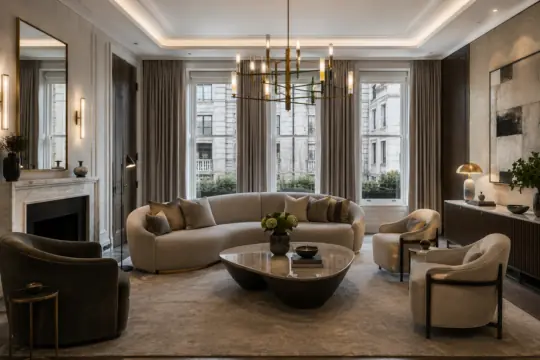
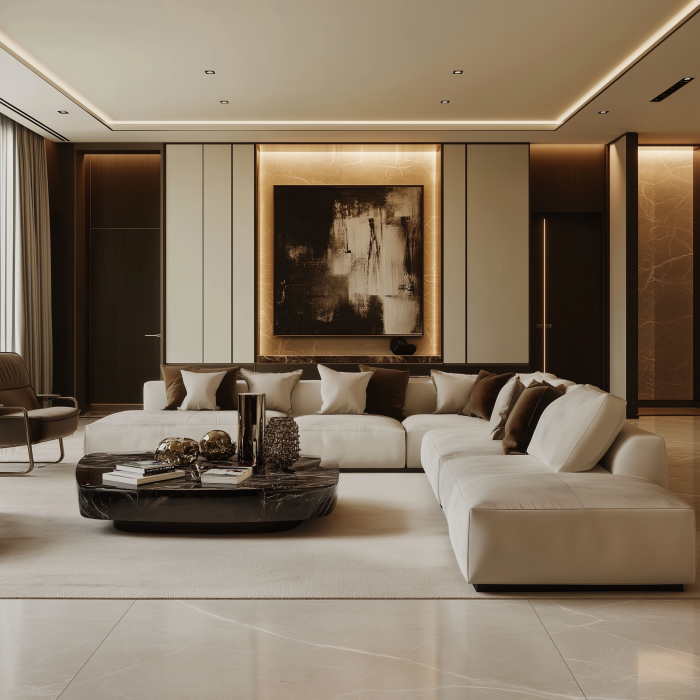
The living room is often the social heart of a home, a place to relax and entertain, it’s the space where luxury and livability meet. The living room is probably the most versatile, multi-functional and high-traffic area of a home. Every piece of living room furniture must balance exquisite design with everyday durability and exceptional comfort.
Key Considerations: Structural integrity, comfort, craftsmanship, and longevity.
Investment Tip
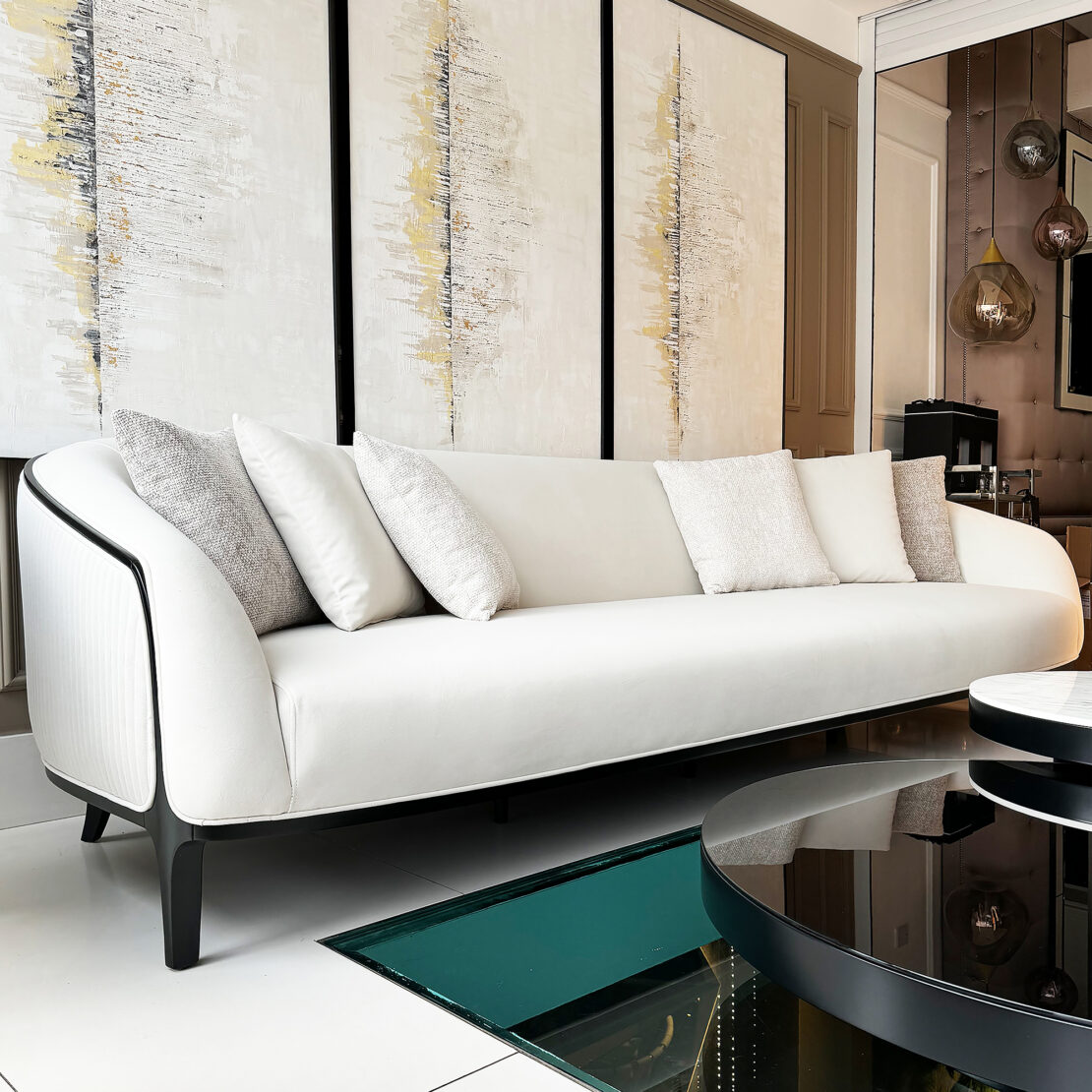
Sofas and Armchairs
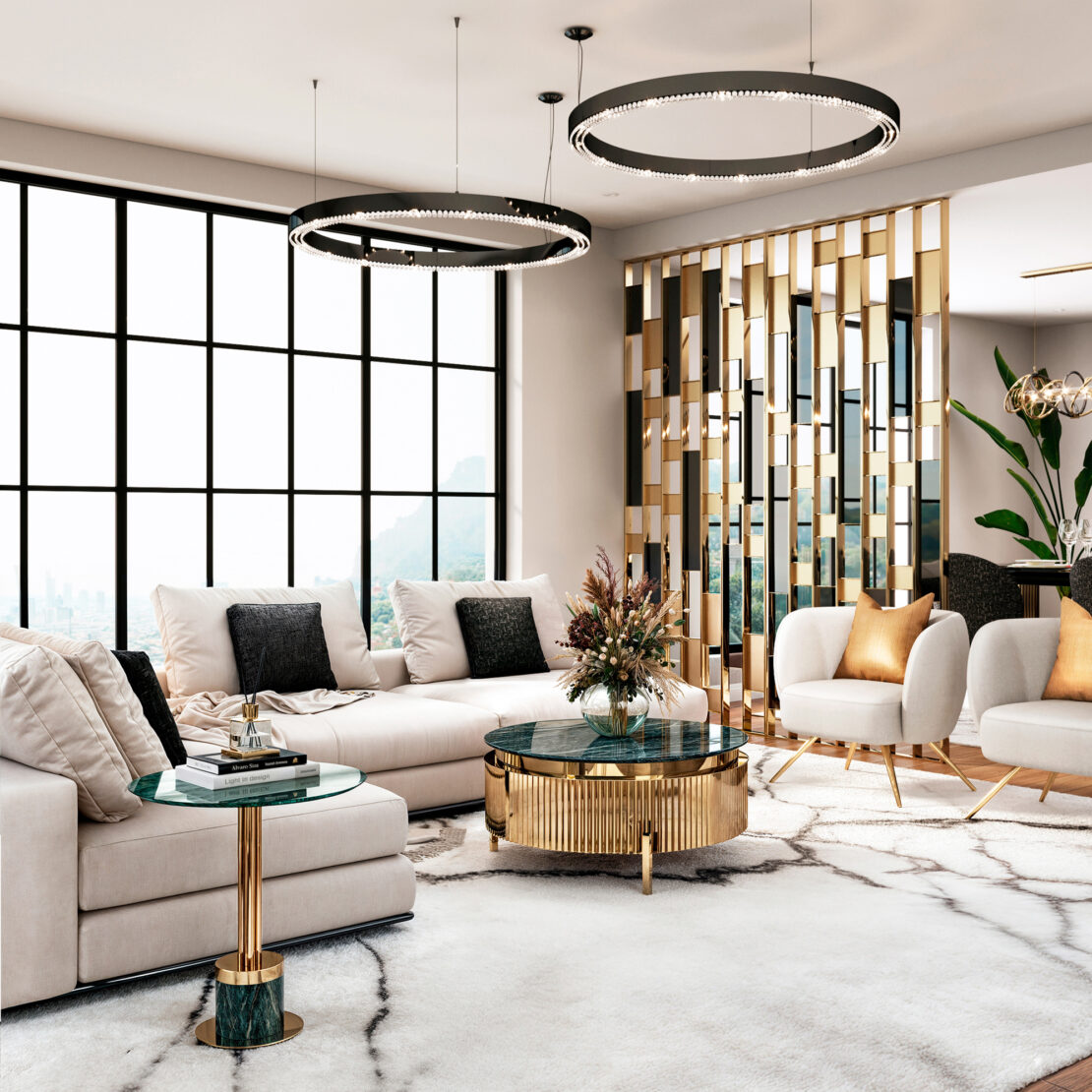
These are high-usage items. Prioritise hand-built hardwood frames, deep, tailored upholstery, and high-quality fillings (like high-density foam with feather wraps) to ensure lasting comfort and support. Choose luxury upholstery fabrics with a high rub count (over 25,000 Martindale cycles) to withstand daily wear sofas and armchairs endure, without losing their beauty.
In most living rooms, the sofa is the single most important investment piece, both in terms of scale and daily use. Prioritise the highest quality construction and materials you can. If your budget will only stretch to one investment piece, you would be wise to opt for quality over compromise when selecting your sofa. Ensuring it maintains its beauty, comfort and structure for years to come, making it not just a purchase, but a long-term investment in everyday luxury.
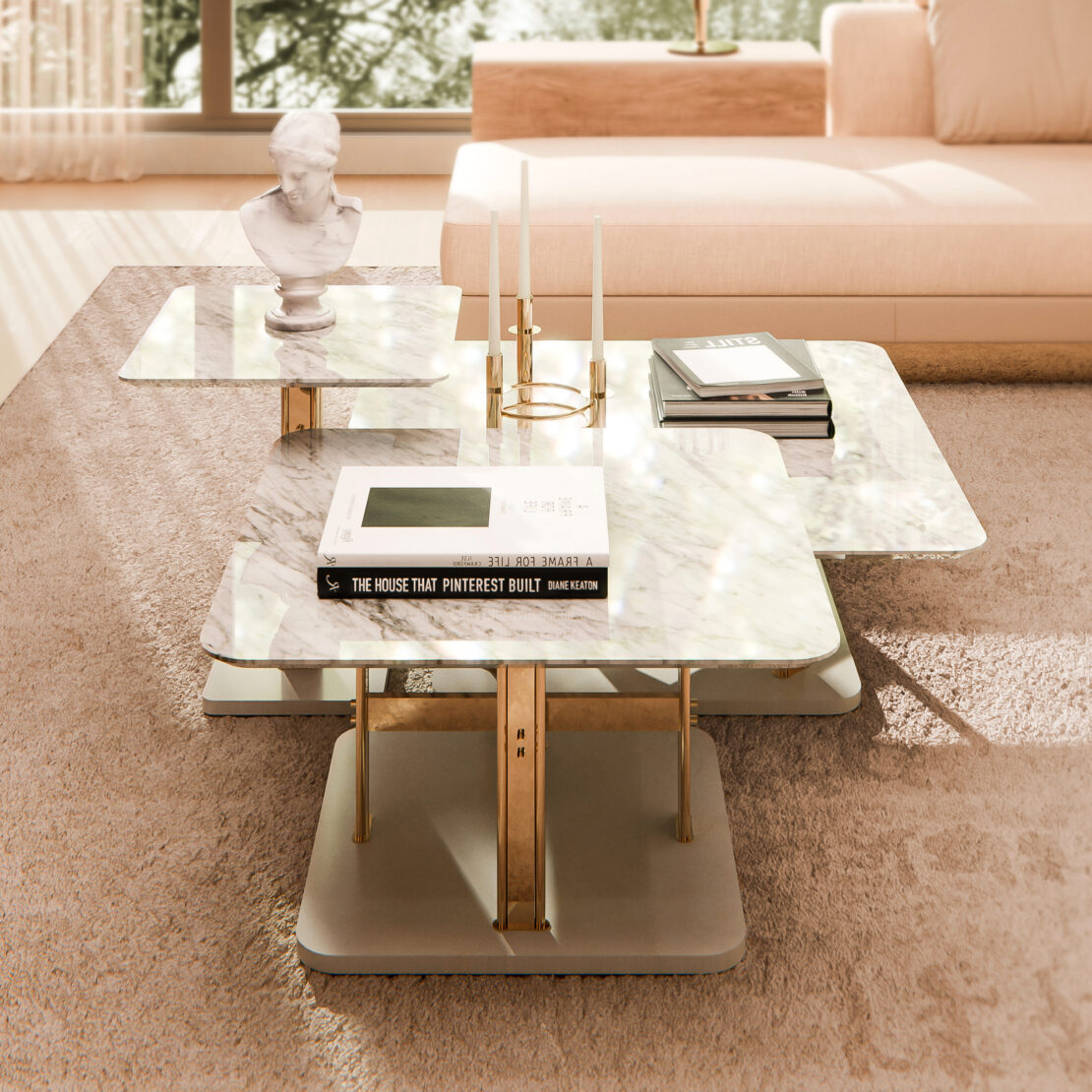
Coffee Tables and Side Tables
Look for solid construction, luxury finishes, and proportional design that enhances flow and function. Opt for pieces with hard-wearing, high-end finishes, such as marble, stone, and glass that resist everyday knocks and scratches. Consider whether your coffee table and side tables should also include drawers or concealed storage, to keep your living space clutter-free
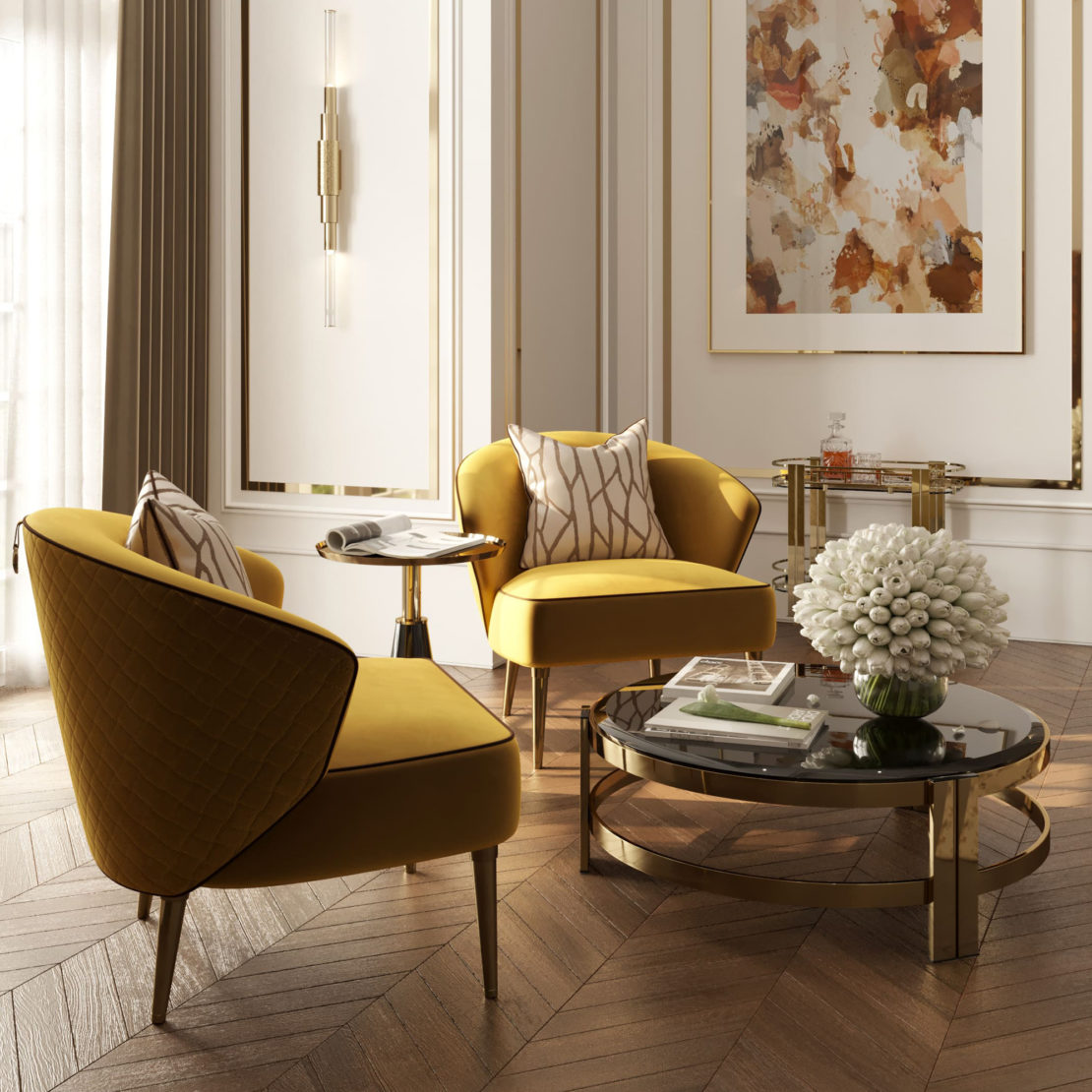
Accent Chairs and Chaise Longues
These bring flexibility and artistry to the space; opt for sculptural forms and premium fabrics. Accent seating offers the opportunity to use more opulent, artisanal materials that might be less suitable for everyday furniture. Because occasional chairs and chaise longues experience lighter use, they can be upholstered in more delicate fabrics. Natural luxury fabrics such as silk, silk velvet, fine linen, and hand-embroidered textiles offer exceptional beauty and softness, but are best reserved for occasional-use furniture where their diaphanous textures can be appreciated without the demands of daily wear.
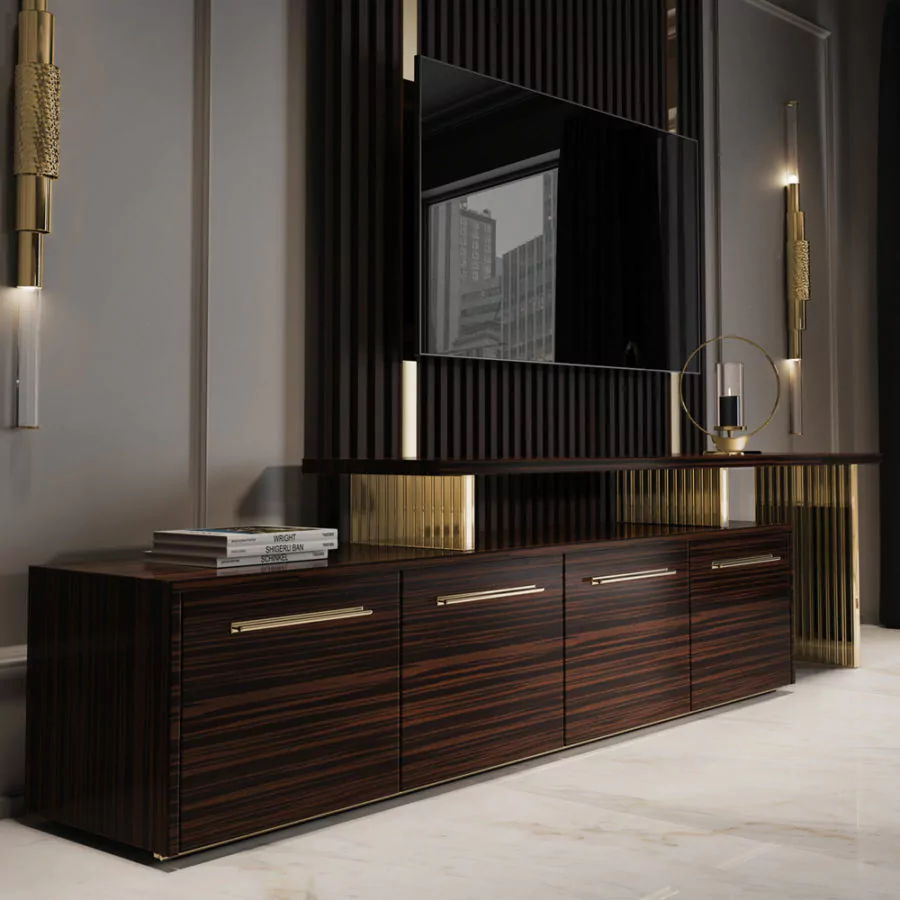
Storage and Display
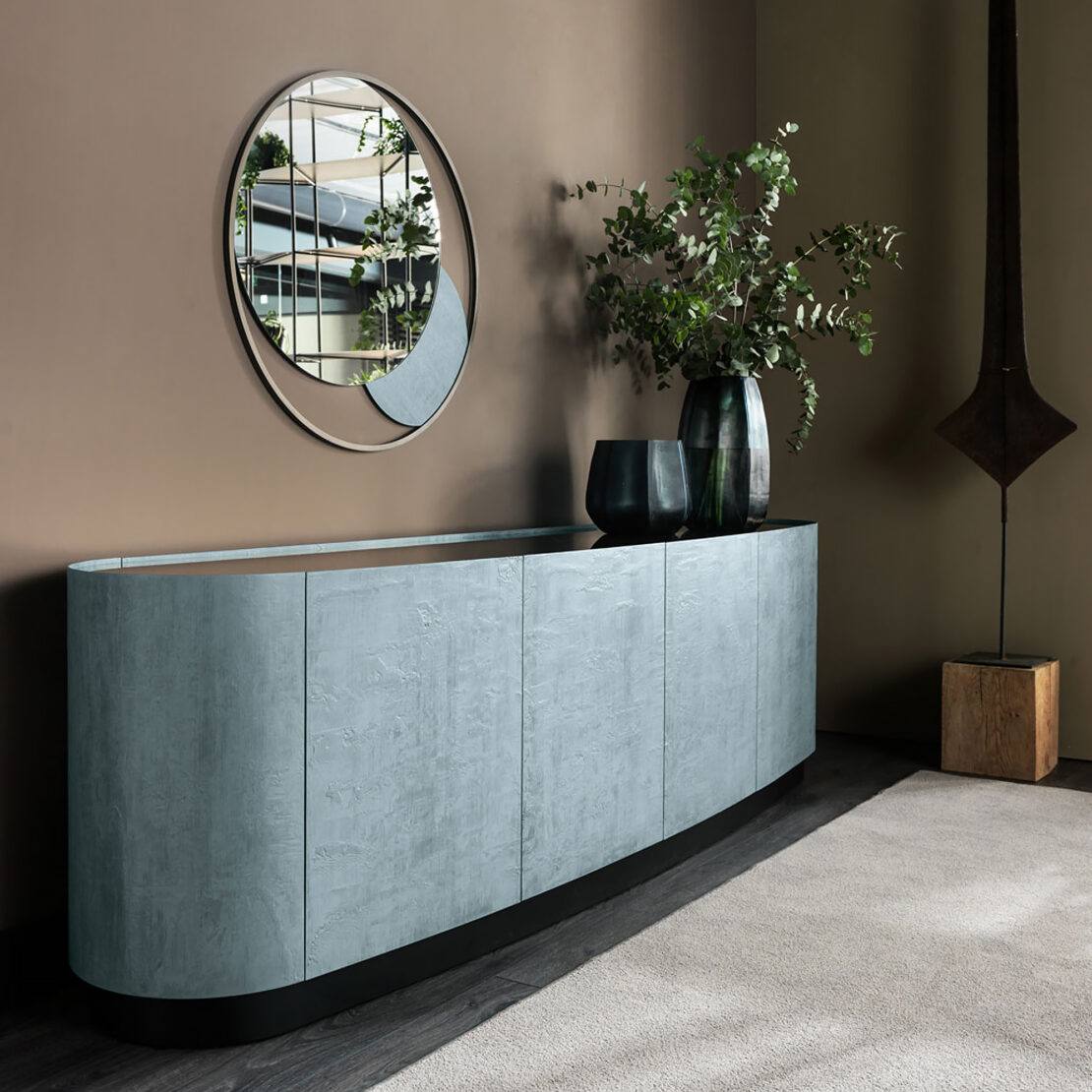
Invest in pieces that combine beauty with practical design — bespoke consoles, cabinets, and shelving units finished to perfection. True high-end storage furniture combines functionality with refined craftsmanship. Look for solid hardwood construction or expertly crafted veneers, seamless joinery, and hand-finished surfaces that feel as beautiful as they look. Doors and drawers should glide effortlessly, with soft-close mechanisms and precision alignment. Hardware such as handles, hinges, and fittings should feel substantial to the touch, reflecting the quality of the piece throughout.
When selecting your high-end storage furniture — whether sideboards, buffets, cabinets or bookcases– consider whether the piece is intended for concealed practicality or for showcasing treasured objects.
- Smart Storage: Hidden storage solutions — such as ottomans, coffee tables, or benches with discreet compartments — maximise functionality without compromising elegance. High-quality smart storage uses sturdy internal framing and seamless opening /closing mechanisms to maintain the visual integrity and ease of use.
- Display Storage: Cabinets designed to showcase fine china, sculptures, or collectables should feature beautifully finished interiors, with adjustable glass shelving, integrated lighting, and refined framing surrounding expertly chosen glass to elevate what they display.
Looking for inspiration? Read our living room interior design guide and explore our curated luxury living room furniture collection, including sofas, armchairs, coffee tables, side tables, TV furniture and statement storage.
What to Look Out For: Bedroom
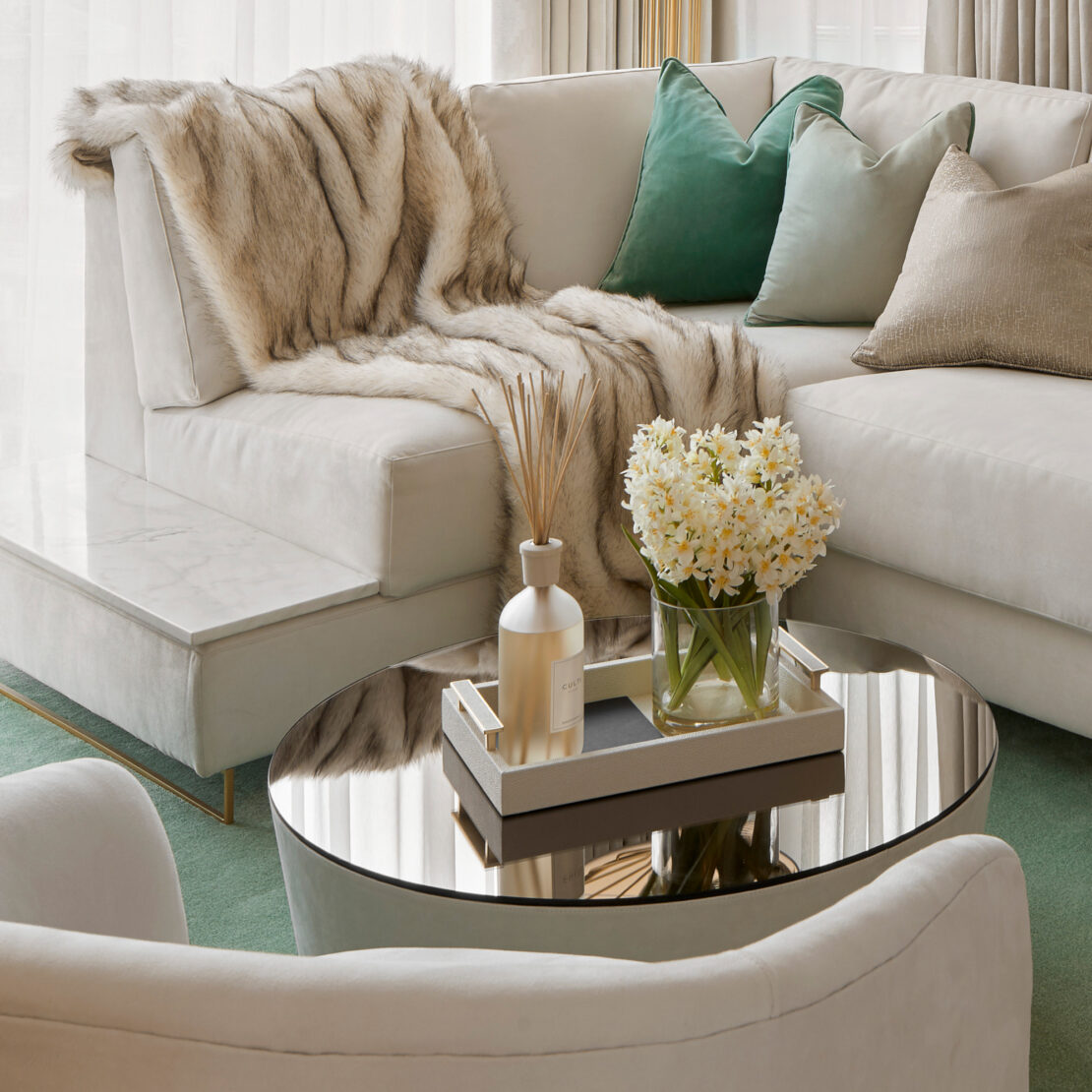
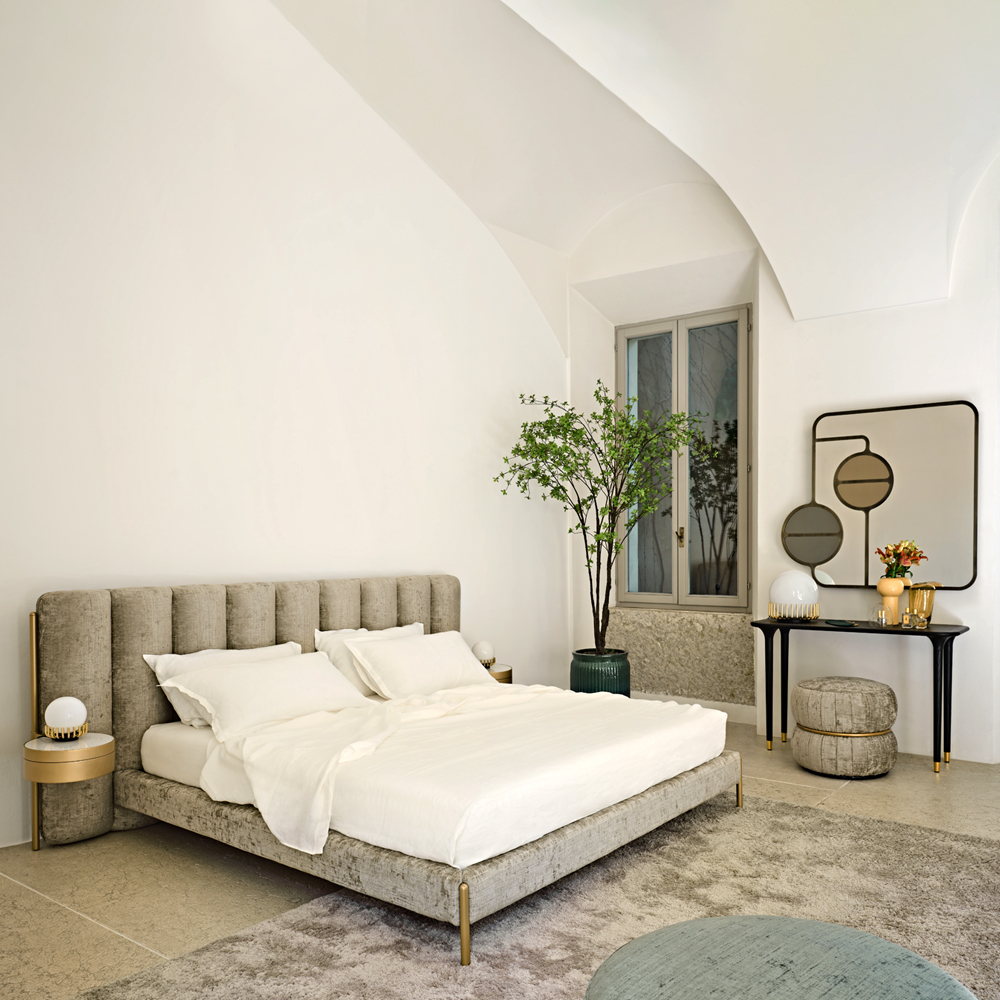
The bedroom is your sanctuary, so its furnishings should combine serene beauty with structural integrity. As a space designed for calm and comfort, it also requires furniture and materials carefully selected to withstand daily use.
Key Considerations: Comfort, craftsmanship, structural integrity, frame and material resilience, and tailored craftsmanship.

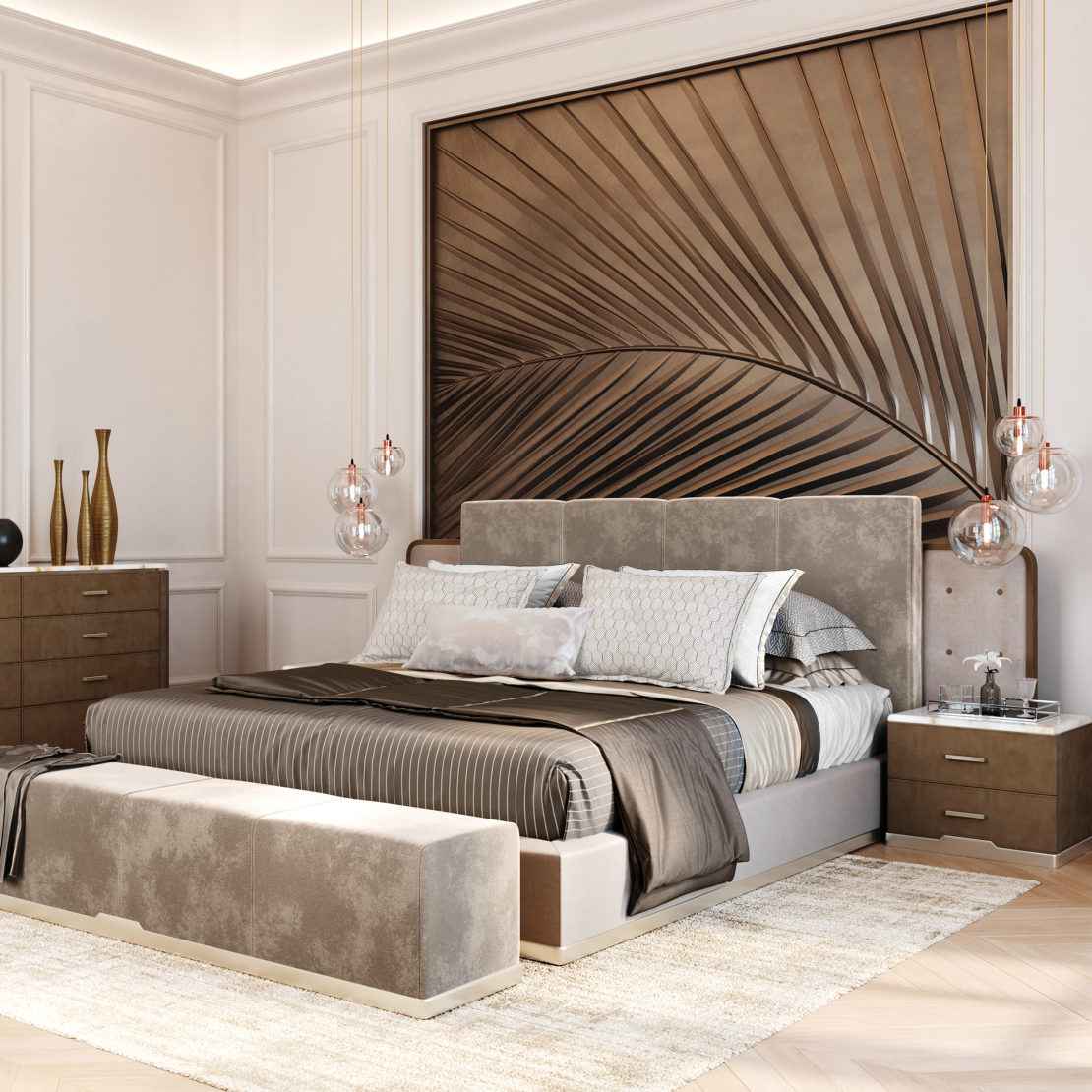
Beds: Undoubtedly, the most important piece of furniture in the bedroom is the bed. Choosing a bed crafted with a solid wood, metal frame, or reinforced frames paired with high-quality upholstery that withstands daily pressure and bespoke detailing. This ensures not only aesthetic impact but long-term structural integrity. For optimal comfort, opt for beds with either an upholstered or carved headboard crafted from fine woods or bespoke textiles. A bespoke headboard in durable luxury fabric adds tactile comfort and long-term elegance, and under-bed storage offers a practical way to declutter and maximise space.
Investment Tip
In the bedroom, the bed is the defining investment piece; after all, a good day starts with a good night’s sleep. In the bedroom, this is the one piece not to skimp on. Buying the best quality bed frame and the most high-end mattress, aligned with your sleeping preferences, is essential for ensuring you have the best night’s sleep possible.
For clients who have a specific bedroom concept or AI-generated image they would like to turn into a real piece, our AI image to real bedroom furniture guide explains how a visual idea can be developed into a practical, beautifully made luxury furniture design.
Wardrobes and Armoires
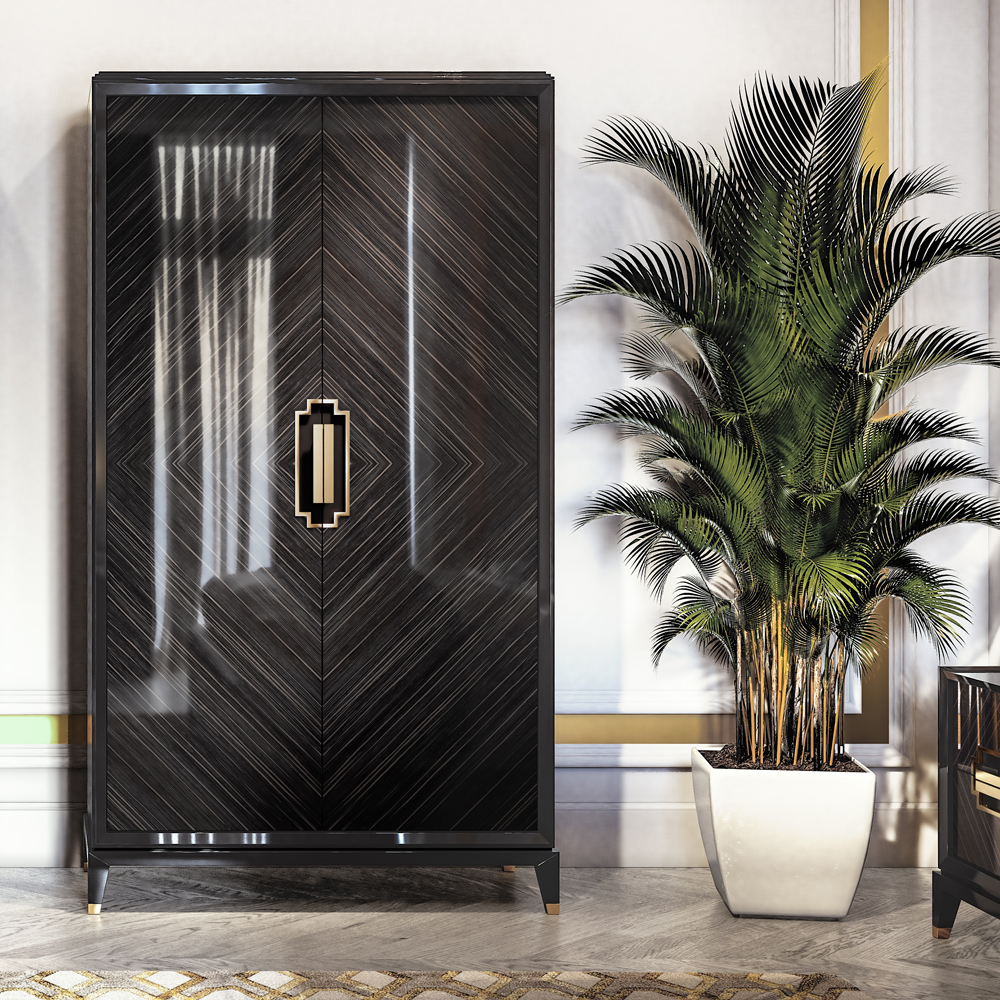
Essential storage must combine beauty with mechanical reliability. Look for durable, solid constructions made with solid wood or fine veneers, with precision joinery, and luxury hardware. Beyond external elegance, the overall user experience with your wardrobes and armoires is key. As highly used pieces, they should offer effortless functionality, with high-quality mechanisms for opening and closing, tactile handles and soft-close doors, integrated internal lighting, and carefully considered layouts all enhance functionality and ease of use.
Investment Tip
Bespoke-designed storage solutions are often the best choice, particularly for unusual spaces or tailored storage needs, ensuring perfect proportions and seamless integration into the room’s architecture.
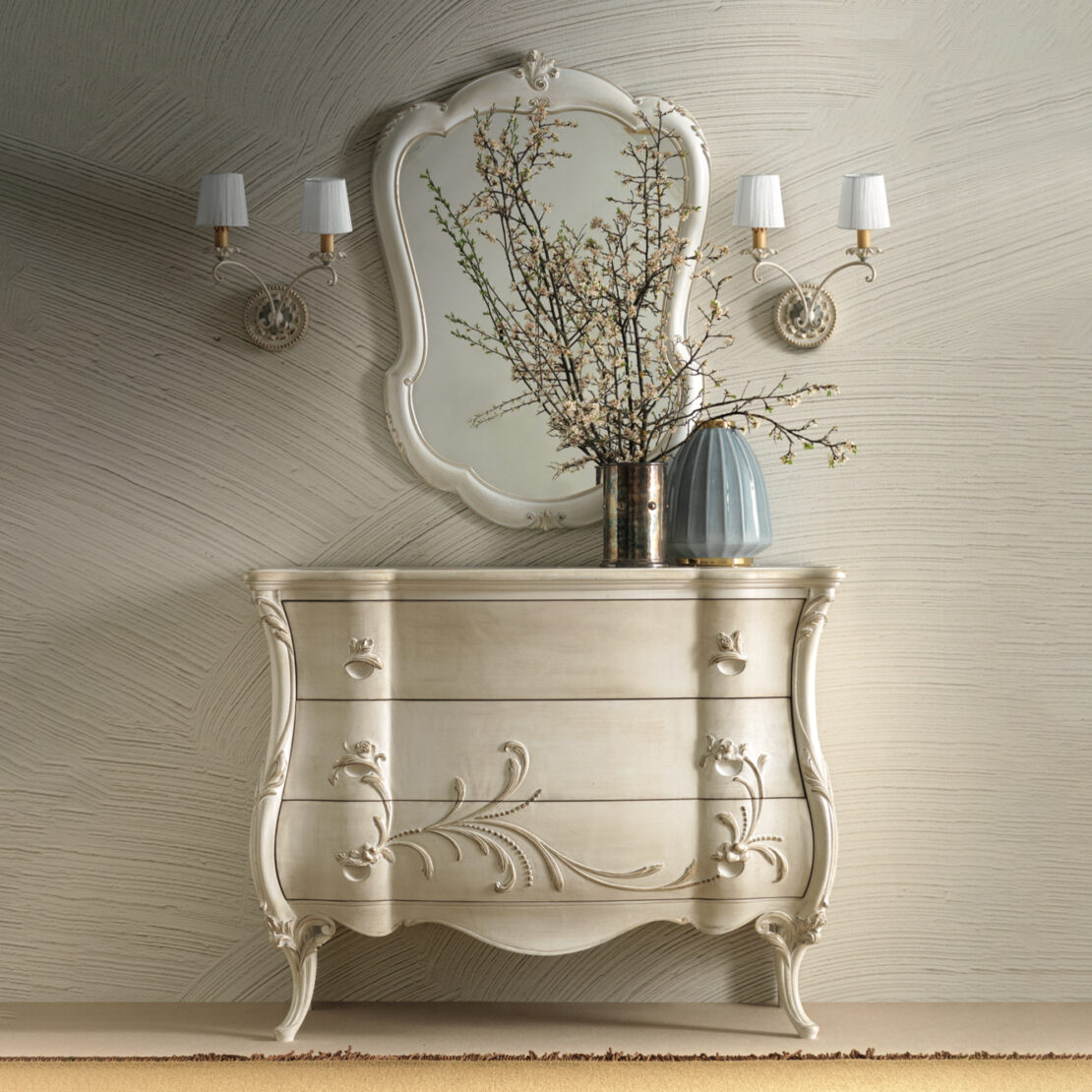
Chest of Drawers and Bedside Tables
Select pieces that balance functional storage with artisanal finishing and proportionate design. Choose pieces with solid construction, smooth drawer mechanisms, and hardware that feels weighty and substantial to the touch. Opt for bedside tables and chest of drawers with hard-wearing, high-end finishes, such as marble, stone, and glass that resist everyday knocks and scratches. Attention to detail extends beyond the visible surfaces. The internal lining of drawers — whether in fine leather, soft-touch suede, or hand-finished wood–should feel as considered and luxurious as the exterior.
Accent seating such as chaise longues, ottomans, upholstered benches, and armchairs offers both a decorative statement and a practical luxury. Although these pieces usually receive lighter use, makers should still construct them with the same level of craftsmanship as primary seating. Look for a solid hardwood frame for structural integrity, even if the piece is primarily decorative. High-quality webbing or hand-tied spring systems in the seat base will ensure it retains its shape and comfort over time. Because occasional seating receives less intensive use, you can choose more opulent and delicate upholstery materials, such as silk velvet, fine linen, or hand-embroidered fabrics, which may not suit everyday furniture. Pay close attention to finishing details: deep button tufting, piping, tailored seams and proportionate scale are all hallmarks of high-end furniture.
Occasional Seating
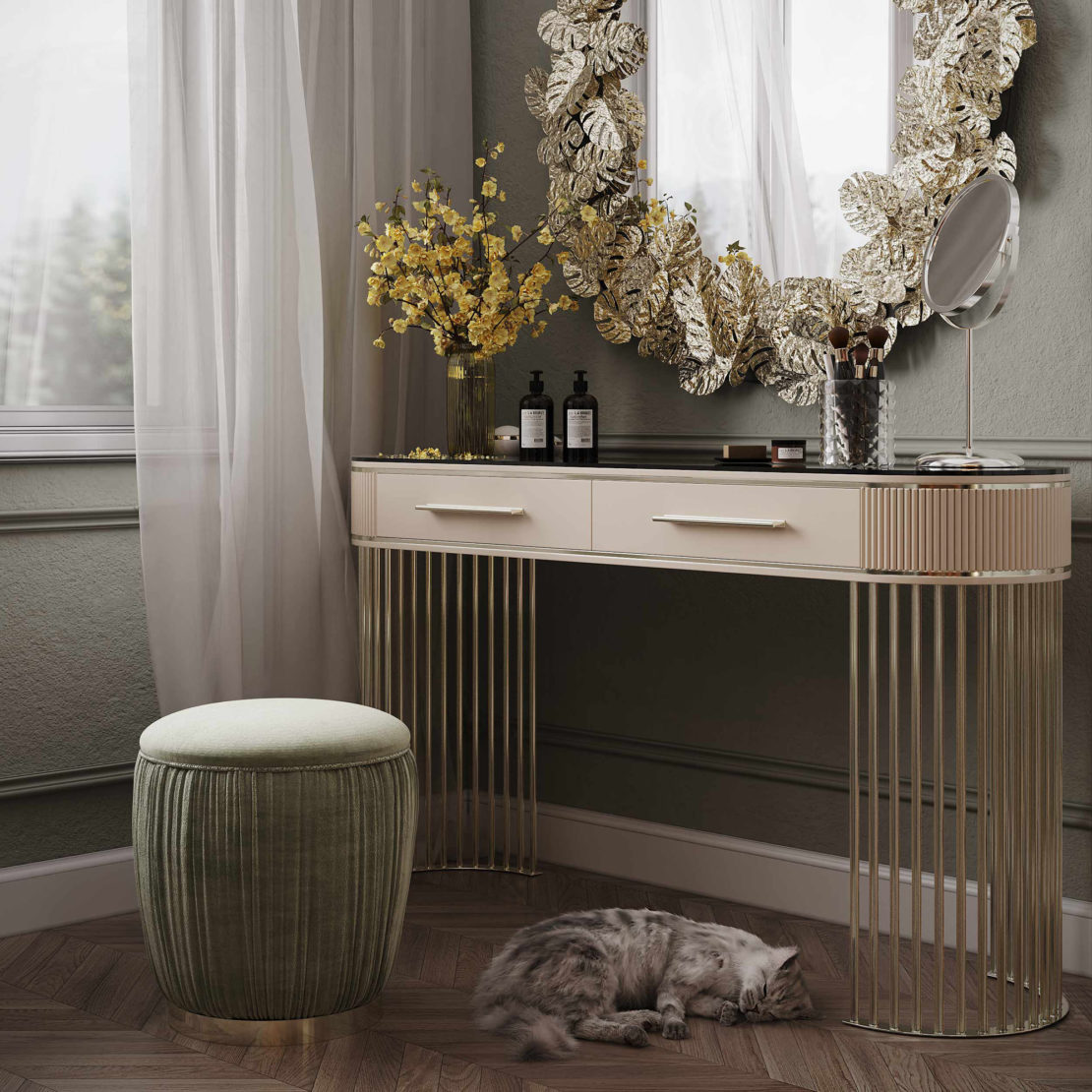
Dressing Table and Vanity Unit: When choosing a dressing table, prioritise hand-finished surfaces, such as high-gloss lacquers, fine veneers, or marble tops, that resist everyday cosmetics and moisture without losing their beauty. Precision craftsmanship is essential: drawers should glide smoothly, with interiors often lined in leather, suede or fine wood for a luxurious feel. Functionality is equally important:
- Think about discreet technology: Many luxury vanity units now integrate power outlets or USB/USBC ports — perfect for hair tools, lighting, or device charging. Subtle tech integration elevates everyday functionality without compromising aesthetics.
- Choose the right seat height: Your dressing table chair or stool should fit comfortably under the vanity. For a standard dressing table height of around 75 cm, an ergonomic seat height of approximately 45 cm ensures effortless comfort and ease of use.
- Opt for purposeful drawers: Look for models with internal dividers to keep cosmetics, jewellery, and skincare beautifully organised. A clutter-free surface enhances both function and elegance.
Mirrors: Mirrors in luxury bedrooms serve both functional and decorative purposes. Choose mirrors with solid wood or artisan-forged metal frames, finished by hand for depth and character. Bevelled glass, antiqued mirror surfaces, or bespoke frame finishes add an extra layer of sophistication. When selecting a vanity or full-length mirror, ensure the glass itself is flawless, securely mounted, proportionate to the space and appropriately placed for ease of use and access.
Looking for inspiration? Read our bedroom interior design guide and view our exquisite collection of curated luxury bedroom furniture.

What to Look Out For: Dining Room
Dining furniture is about more than functionality; it’s the backbone for gatherings, celebrations and daily rituals. Requiring pieces that are both functional and visually striking, making material quality and seating comfort non-negotiable.
Key Considerations: Durability, ergonomic comfort, stain resistance, social functionality, and size flexibility.
Dining Tables
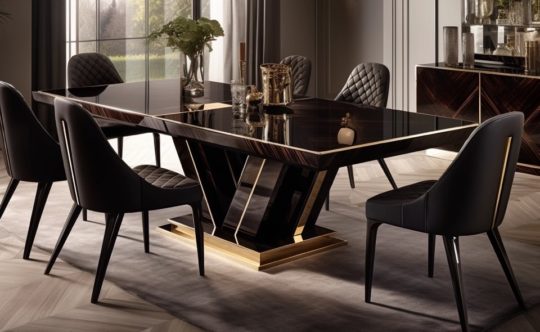
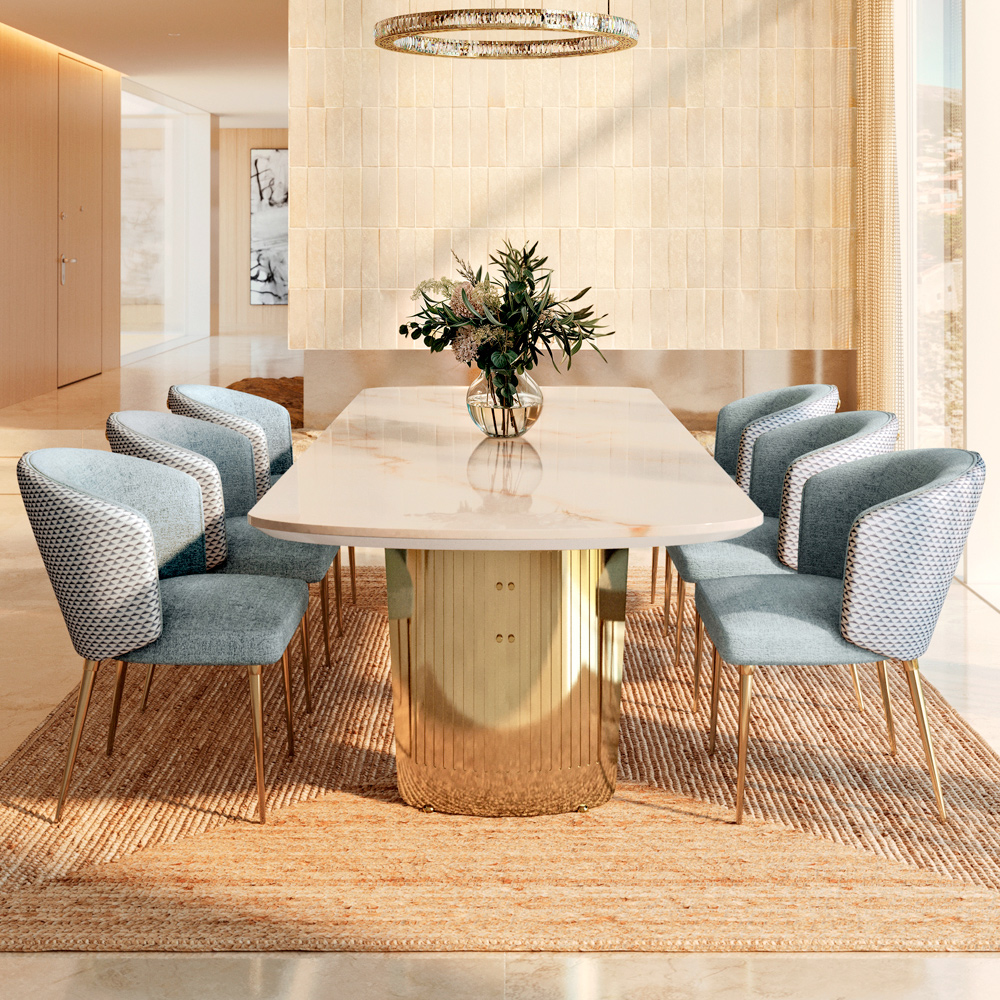
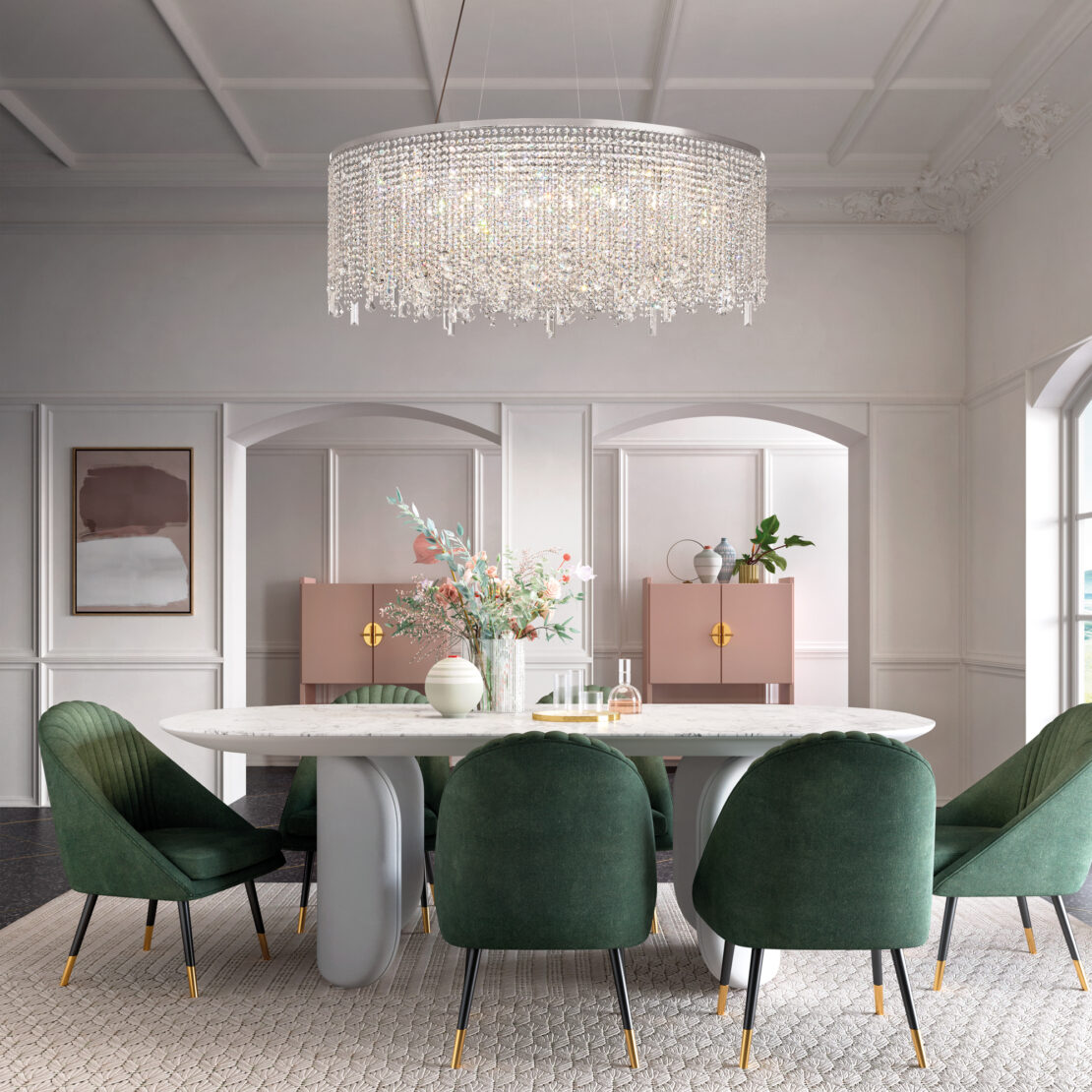
High-end dining tables are crafted from exceptional materials such as solid hardwoods, rare marbles, or fine veneers. Luxury furniture companies should offer the option for custom finishes, extensions and bespoke sizes to suit your entertaining needs. The finish on a dining table plays a crucial role in both its appearance and long-term performance. In luxury pieces, protective finishes — such as specialist lacquers, sealants, or hand-applied oils — are designed to enhance the natural beauty of wood, marble or veneer surfaces while providing essential resistance against spills, stains, and everyday wear. When selecting a dining table, look for finishes that offer a balance between tactile richness and durability. A well-finished surface should be easy to maintain without sacrificing the depth, texture, or authenticity of the material beneath. Choosing a table with a high-quality, professionally applied finish ensures that it remains both beautiful and practical for years to come.
For clients creating a formal dining room, the dining table is usually the central investment piece. Explore our luxury dining tables to find designs in marble, glass, wood, metal and specialist finishes suitable for elegant entertaining spaces.
Dining Chairs
Prioritise ergonomic design and craftsmanship; chairs should be as ergonomically comfortable as they are sculptural. Choose dining chairs upholstered in premium fabrics or leathers to enhance comfort, promote longevity and encourage guests to linger.
Investment Tip
In the dining room, the dining table and chairs are the central investment piece, setting the tone for both everyday living and special occasions. Always opt for the best quality your budget will allow. Extendable designs add versatility, allowing the table to adapt from intimate dinners to larger gatherings without compromising style or structural integrity. If long-term refinishing is important to you, solid hardwood tables offer the greatest flexibility for restoration. High-quality veneer tables, while less suitable for refinishing, provide extraordinary aesthetic detail and durability when properly cared for.
Buffets, Sideboards, and Cabinets
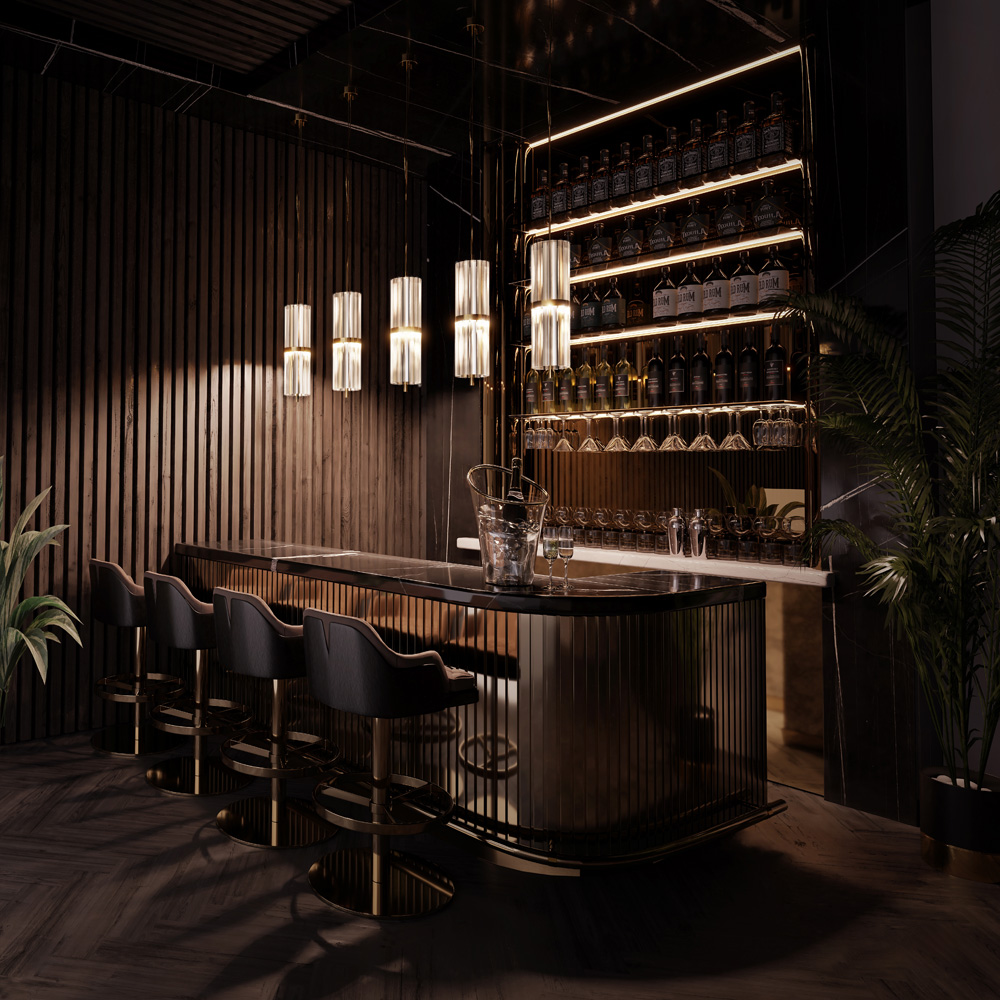
Storage with presence; look for beautiful detailing, strong internal structures, and finishes that enhance the surrounding decor. In the dining room, storage and display furniture should balance elegance with everyday functionality. Beautifully crafted buffets, sideboards, consoles, display cabinets, or integrated bar units that enhance the flow and usability of the space. Look for solid hardwood construction or expertly applied fine veneers, paired with seamless joinery and hand-finished surfaces that retain their beauty under regular use.
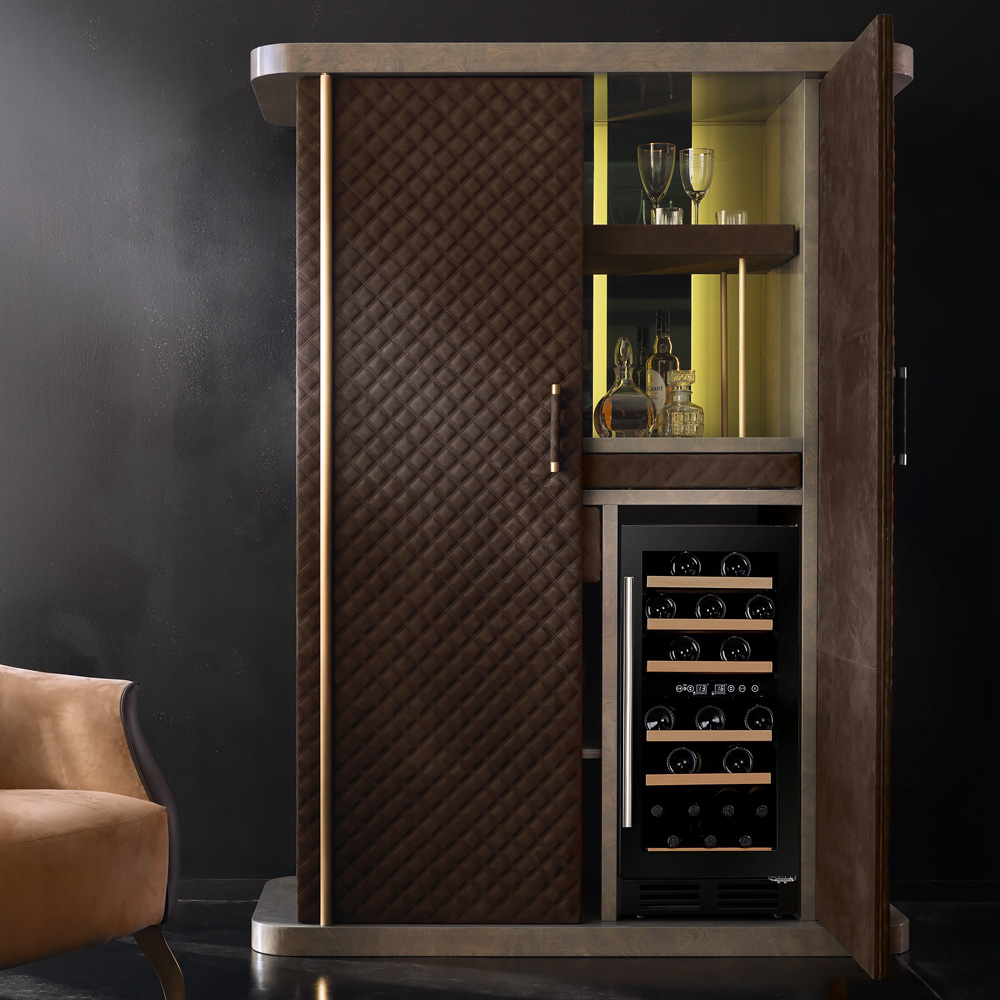
Doors and drawers should open effortlessly, with soft-close mechanisms and precise alignment. Hardware, including handles, hinges, and fittings, should feel substantial, effortless to the touch, and meticulously finished, reinforcing the quality of the piece in every interaction. A bespoke bar cabinet or drinks console can add both a practical and luxurious touch, offering organised, elegant storage for glassware, bottles, and accessories while serving as a stylish focal point within the room. When selecting luxury storage for the dining room, consider whether the piece is intended primarily for concealed practicality or for showcasing treasured objects. If the piece is intended to display fine china, crystal glassware, or curated collectables, prioritise cabinets with beautifully finished interiors, adjustable glass shelving, integrated lighting, and expertly framed glass doors. These details not only protect your treasured items but also present them in a way that enhances the overall refinement of the dining space.
Looking for inspiration? Read our dining room interior design guide and view our exquisite collection of curated luxury dining room furniture.

What to Look Out For: Lighting
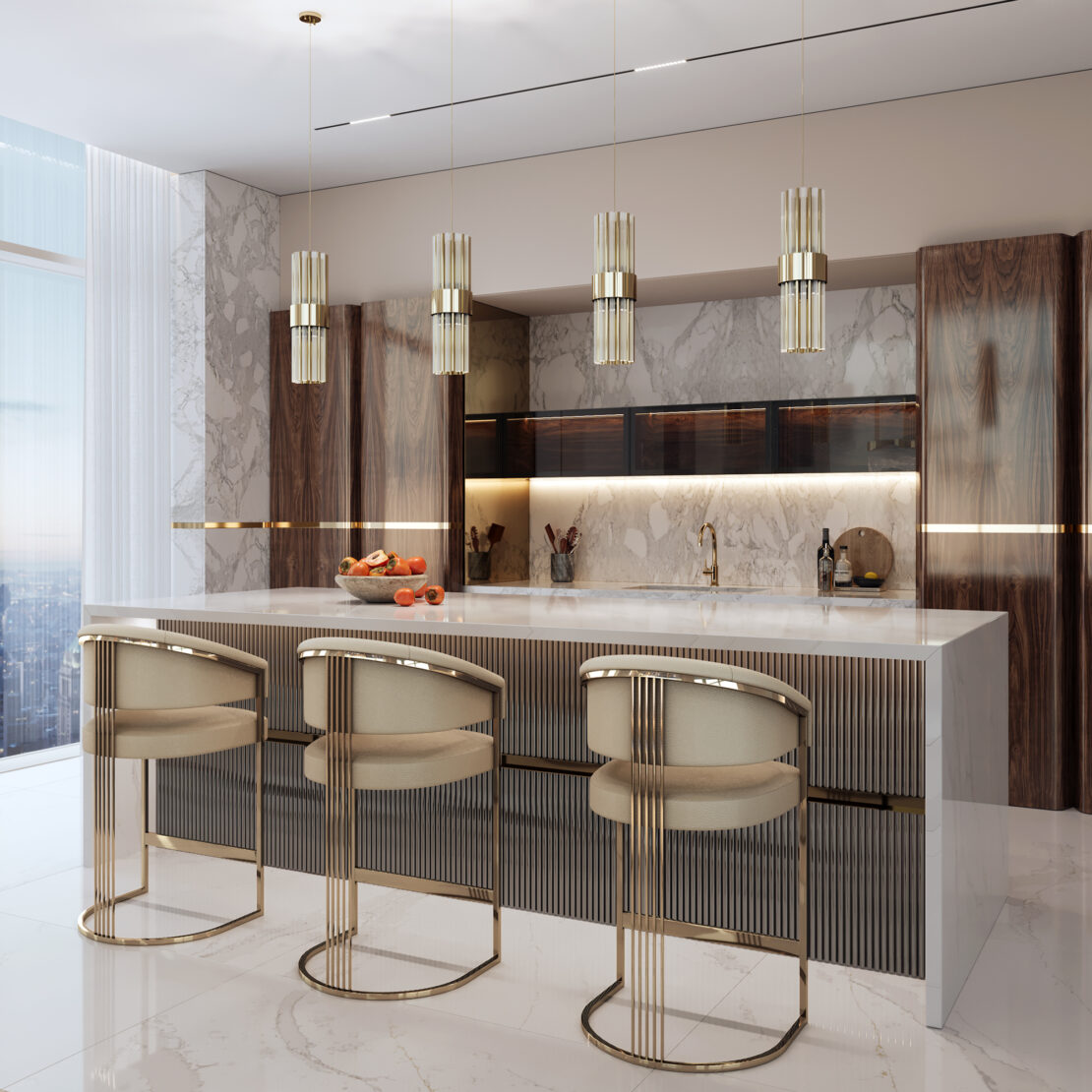
Lighting is critical to shaping the atmosphere and usability of every room, but luxury lighting is also just as important to the experience of a space as the furniture itself.
Key Considerations: Brightness and light output, directional focus, layering (ambient, task, accent), dimmability, material quality, and scale relative to the room.
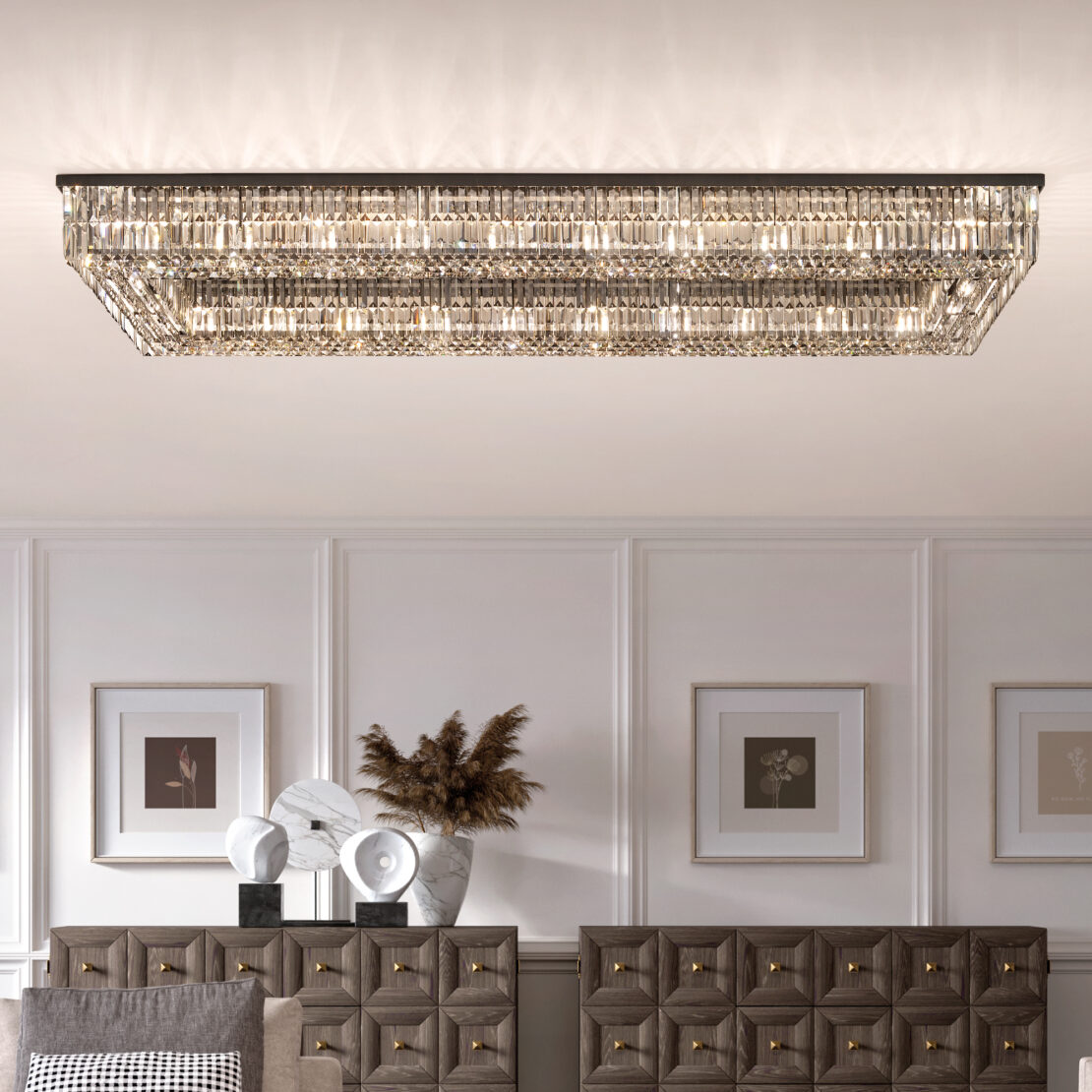
Solid brass, bronze, nickel, and stainless steel are hallmarks of high-end lighting. Look for hand-forged or hand-finished metals rather than lightweight mass-produced fittings. Proper finishing (such as aged brass or brushed gold) not only enhances visual richness but also resists tarnishing and everyday wear. Choose natural fibre shades (such as silk, linen, or cotton) for a soft, elegant diffusion of light. Hand-finished hardwoods and artisanal ceramics can add warmth and texture to lighting designs.
Ceiling Lights
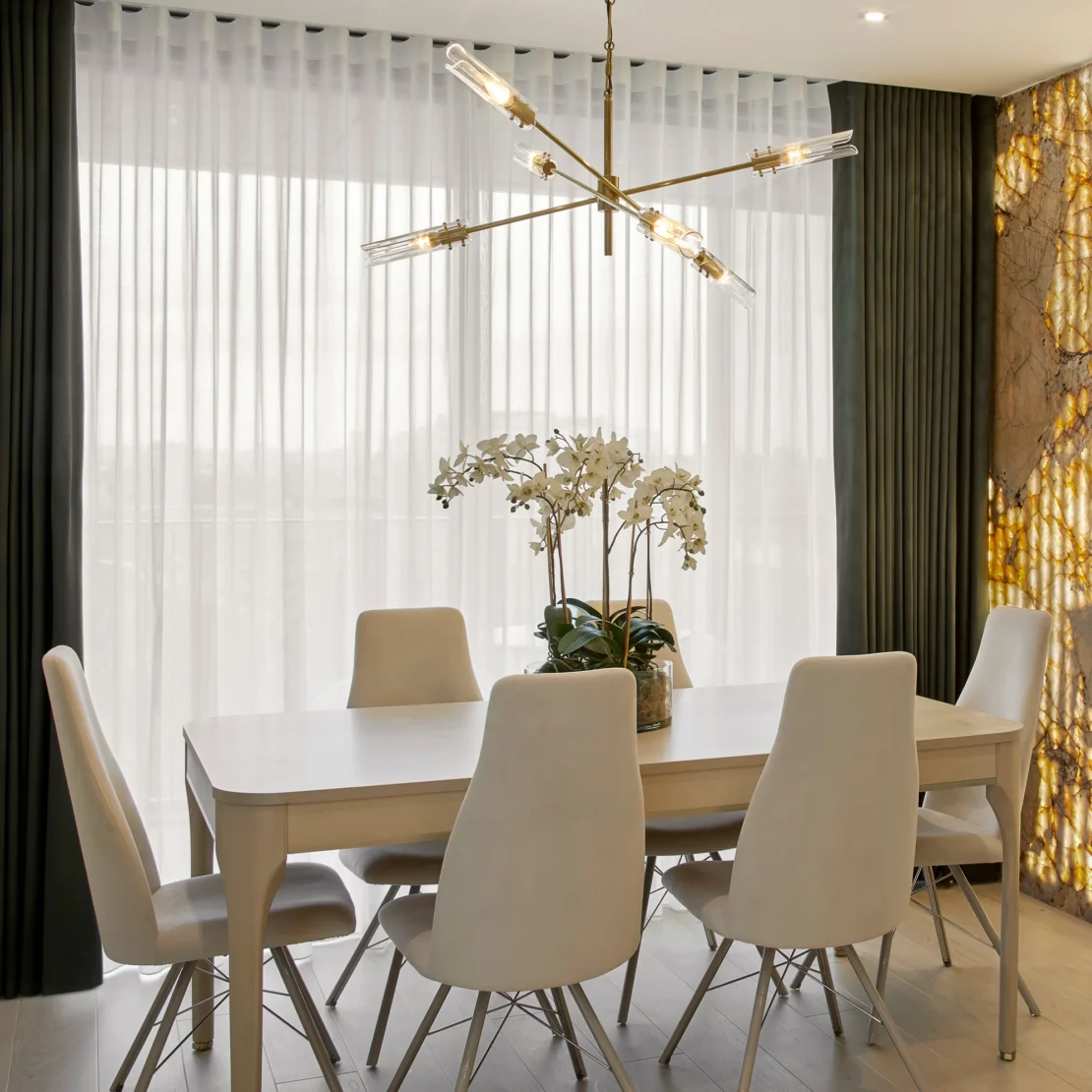
Ceiling lighting forms the foundation of the room’s illumination, providing essential ambient light for everyday living and entertaining. The light output must be sufficient for the room’s size and function; larger or higher-ceilinged rooms require more powerful or multiple fittings to distribute light evenly without harshness. Frosted, tinted, or antiqued glass can soften glare and diffuse light beautifully. Beyond aesthetics, superior construction ensures durability, proper weight distribution, safe installation, and exquisite illumination throughout the room. Always consider the scale and placement carefully: a ceiling light should feel proportionate to the room’s dimensions and ceiling height, offering visual balance without overpowering or underwhelming the space. Drop height is also especially important.
Chandeliers
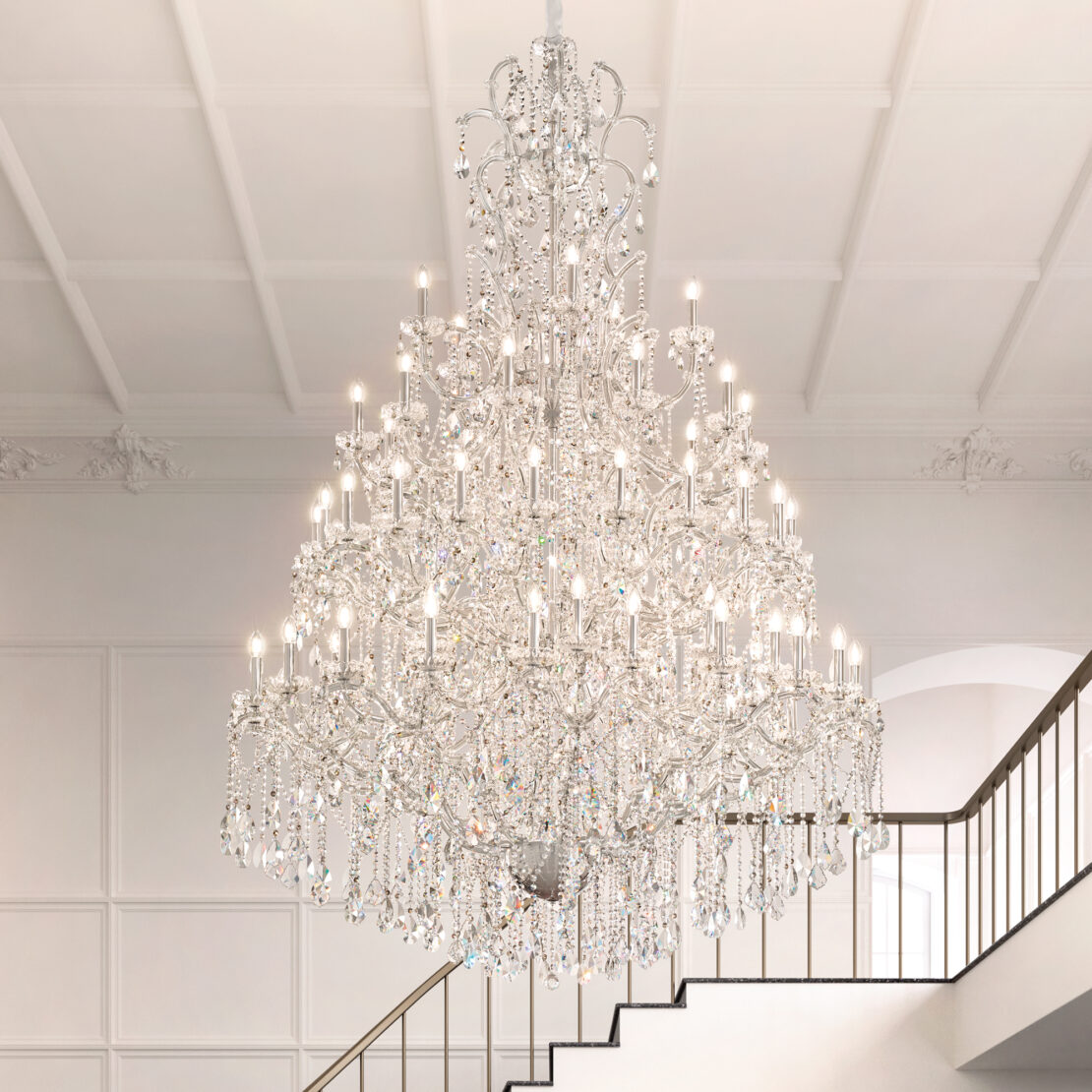
Synonymous with high-end lighting, chandeliers create opulent focal points. A chandelier in a luxury interior should offer more than visual drama — it must combine exceptional craftsmanship with functional, well-considered design. When selecting a chandelier, assess both the light output and the quality of construction. The fixture must provide sufficient ambient lighting for the room’s size, ideally paired with dimming capability to adapt brightness for different times of day and uses. Adjustable height fittings can also enhance flexibility, especially over dining tables or in rooms with varied ceiling heights.
Each component should demonstrate precision, durability, and fine finishing — from the weight and balance of the frame to the clarity and refraction of the crystals or glass. Hand-blown glass and high-quality crystal add refraction and visual texture. In chandeliers or pendant lights, opt for lead crystal or artisan glasswork for maximum brilliance and impact.
Attention to scale is essential: the chandelier should feel proportionate to the space, allowing for visual impact without overwhelming the room’s architecture. Proper placement, expert installation, and sturdy structural support are vital, ensuring that the piece functions safely and beautifully for years to come.
Chandeliers no longer belong only inside the home; they also add beauty, elegance, and impact to your exterior aesthetic.. But you can’t put just any chandelier outdoors, it requires a specially designed chandelier for outdoors, waterproof IP66 rated for protection against the weather.
Floor and Table Lamps
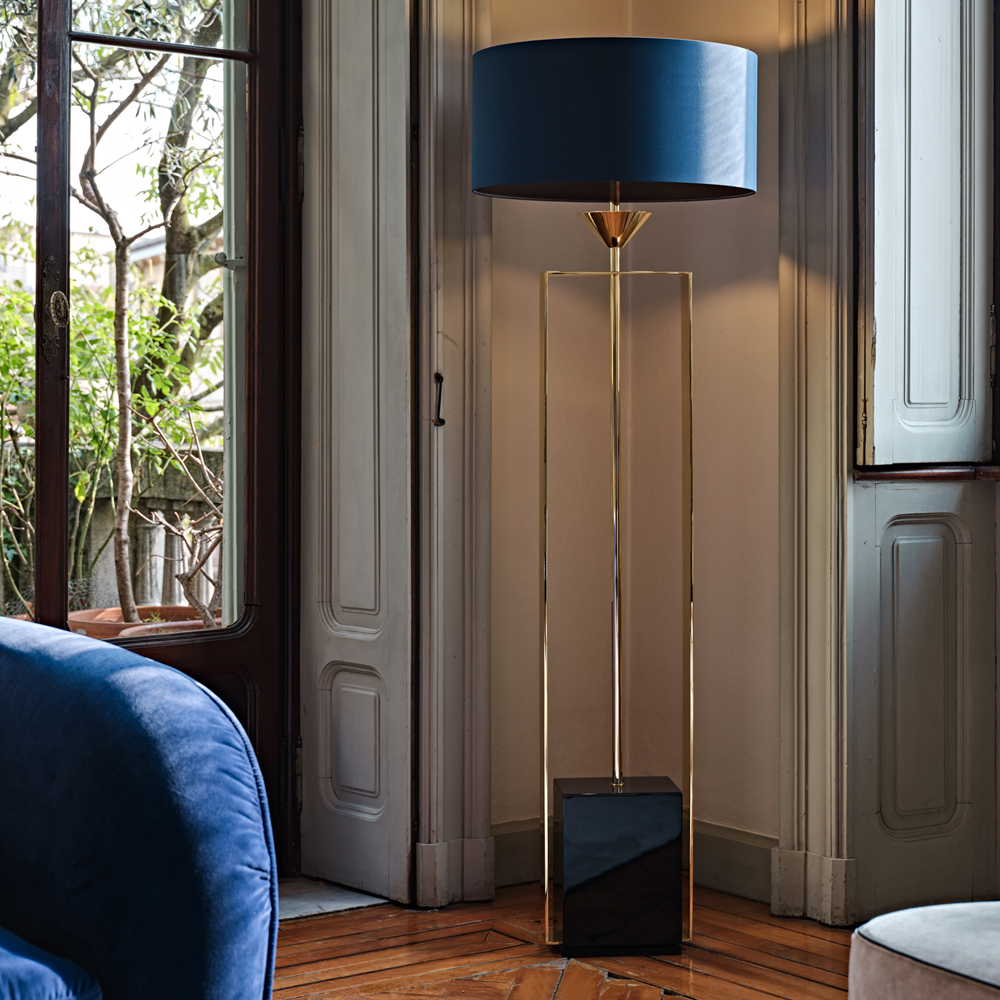
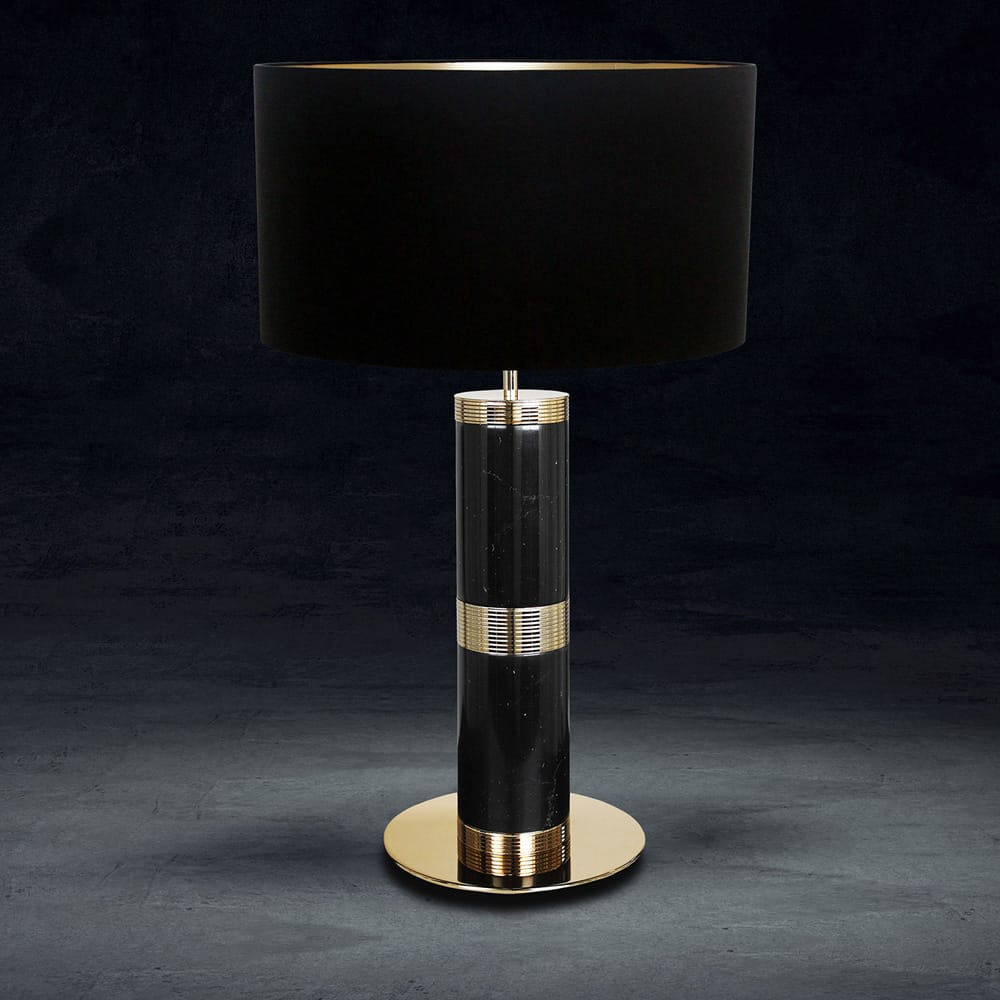
High-end lamps are multi-tasking light sources, providing you with task, accent and mood lighting, and therefore must deliver exceptional functionality and construction quality. Choose pieces with heavy, stable bases (such as marble or cast metal) and hand-finished shades to ensure long-term durability. Marble or onyx bases and accents not only add weight, but substance and timeless sophistication to designer floor lamps and table lamps. Seal natural stone properly to help resist staining and etching over time.Designer lighting often features fabric shades crafted from natural fibres such as silk or linen, hand-finished with precision seams and structured frames. Internal components, from joints to wiring, should reflect the same commitment to quality as the external design, ease of use, smooth and secure adjustability and long-term reliability.
When selecting a piece, consider the practicality of adjustable or movable arms, especially for reading corners, desks, or bedside settings where directional focus enhances usability. High-quality dimming capability is equally important, allowing you to modulate light levels seamlessly from task to ambient mood lighting. Choose fabric shades crafted from natural fibres, such as silk or linen, with precision hand-finished seams and structured framesInternal components, from joints to wiring, should reflect the same commitment to quality as the external design, ensuring smooth, secure adjustability and long-term reliability.
Wall Lights and Sconces
Provide architectural lighting that shapes the atmosphere, highlights features, and illuminates spatial flow. In luxury settings, they must combine both exceptional materials and functional performance. When selecting wall lighting, consider its primary role, whether providing ambient lighting, directional task lighting (e.g., bedside reading), accent lighting for architectural details or artworks, or highlighting key zones in your room. Choose a light output that suits the intended purpose, and select dimmable options where you need greater versatility.
Choose high-end sconces and wall lights crafted from solid materials, such as forged brass, bronze, nickel, marble, alabaster, hand-blown glass, or fine artisan ceramics. Look for impeccable surface finishing from polished metals to expertly frosted or tinted glass, and fittings that feel substantial and precision-made. For functional excellence, pay close attention to beam spread, light diffusion, and fixture positioning: a well-designed sconce should enhance a room’s depth and rhythm without creating glare or visual imbalance. Proper mounting hardware and concealed wiring channels are also hallmarks of superior construction, ensuring the fixture feels seamlessly integrated into the space.
Looking for inspiration? Read our lighting design guide and view our exquisite collection of curated luxury lighting.
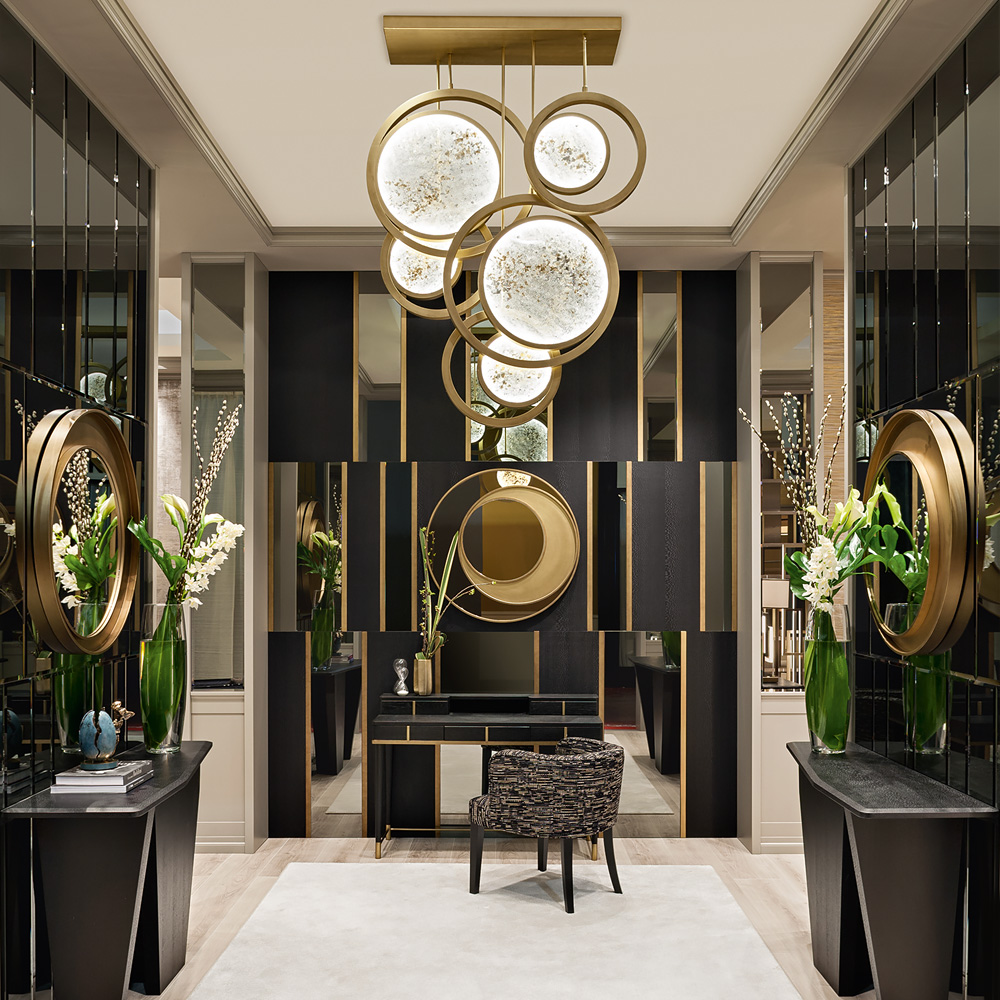

What to Look Out For: Outdoor Furniture
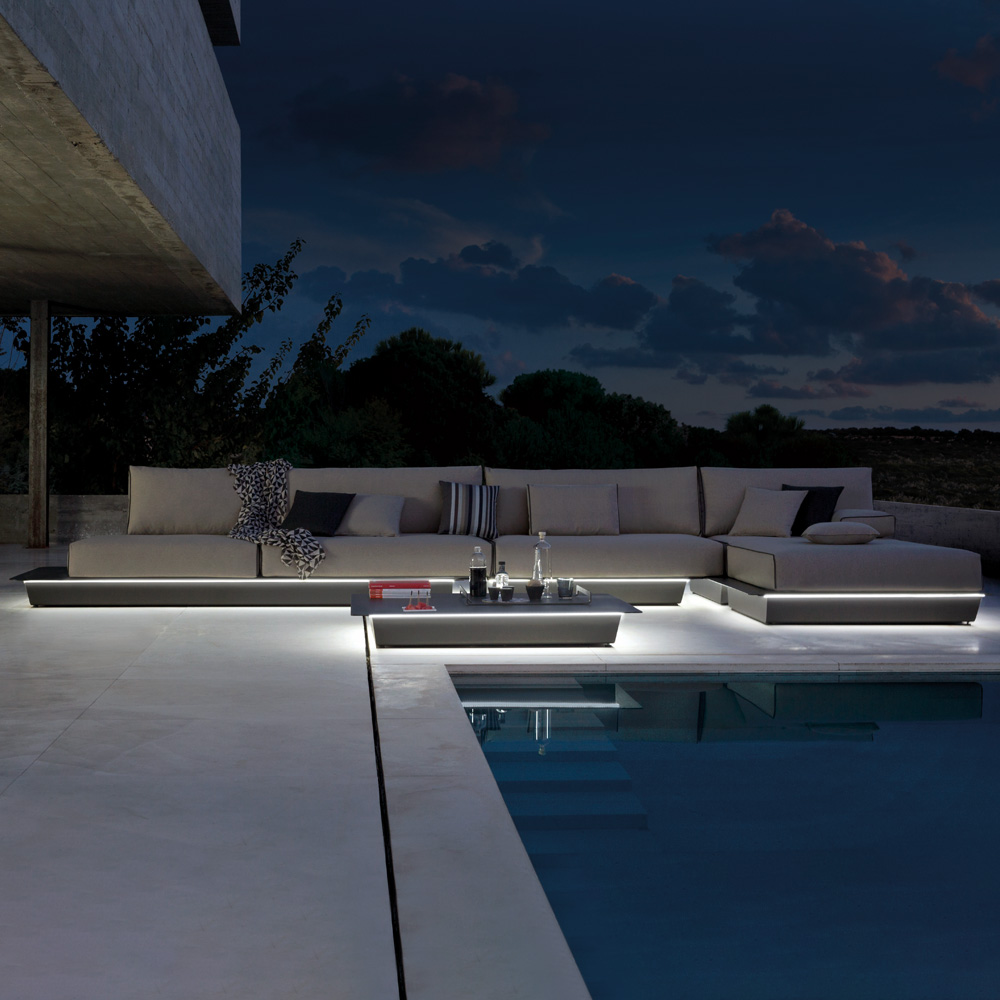
The luxury lifestyle extends beyond the interior walls. Outdoor spaces deserve the same level of craftsmanship, comfort and design attention as indoor rooms. Outdoor spaces demand materials that perform under constant exposure to weather and changing conditions whilst maintaining their designer aesthetics.
Key Considerations: Durability, comfort, weather and water resistance, structural integrity, and UV protection.
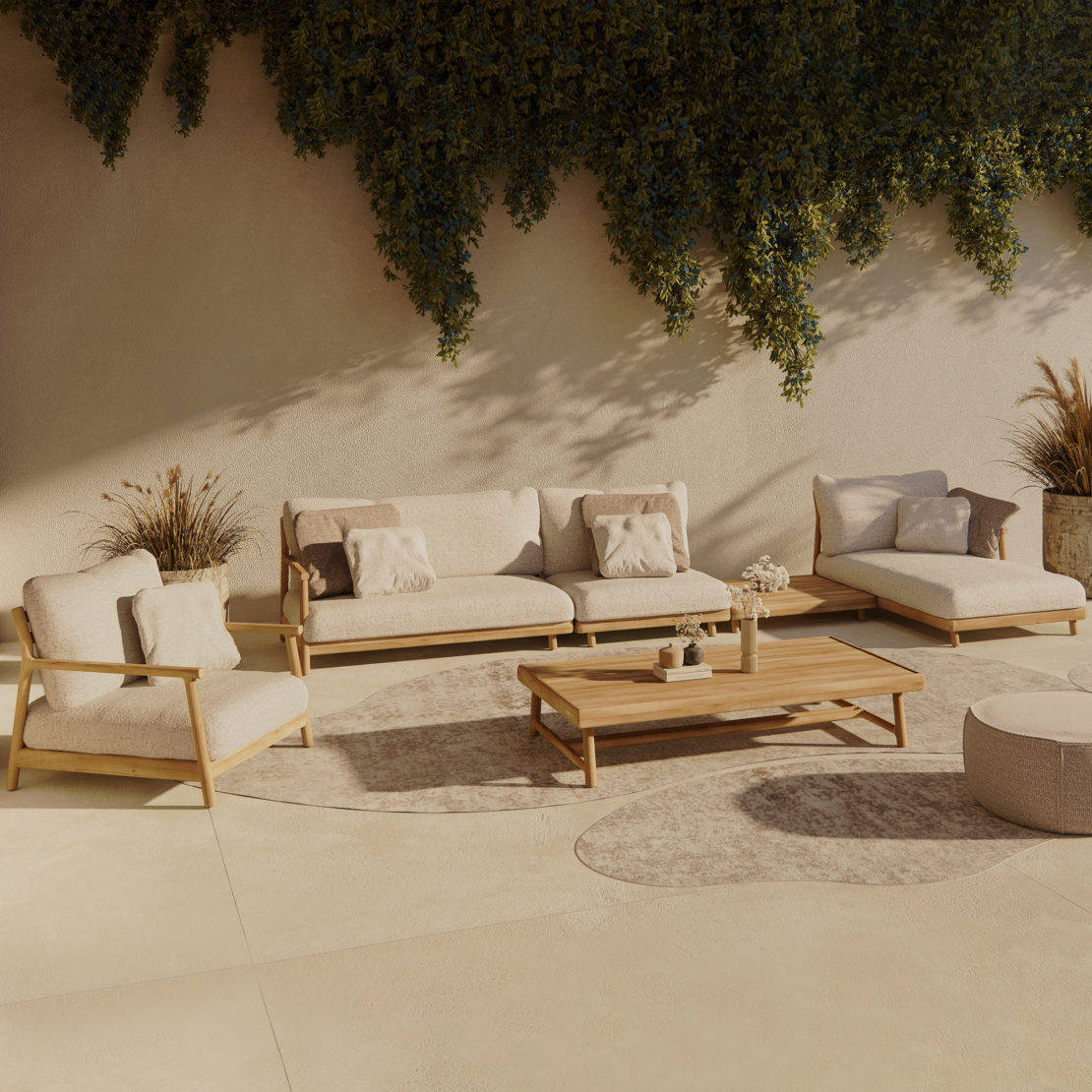
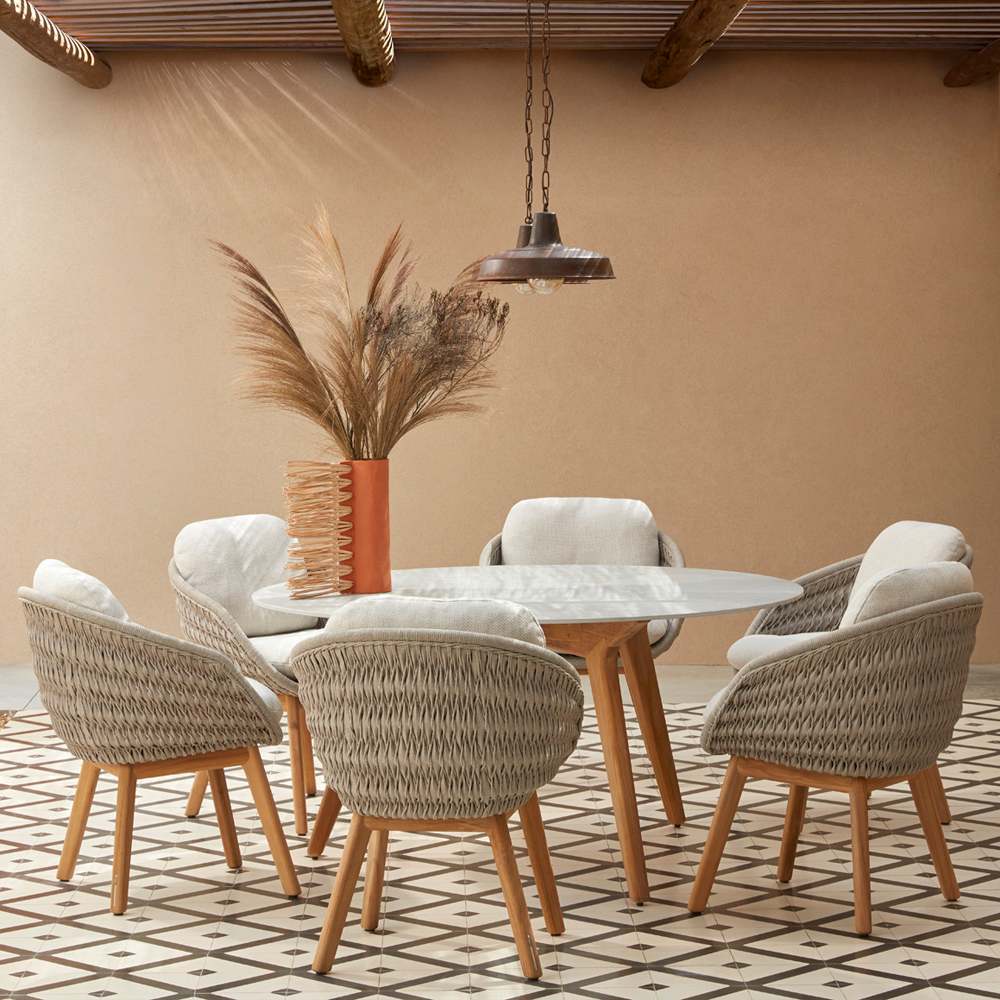
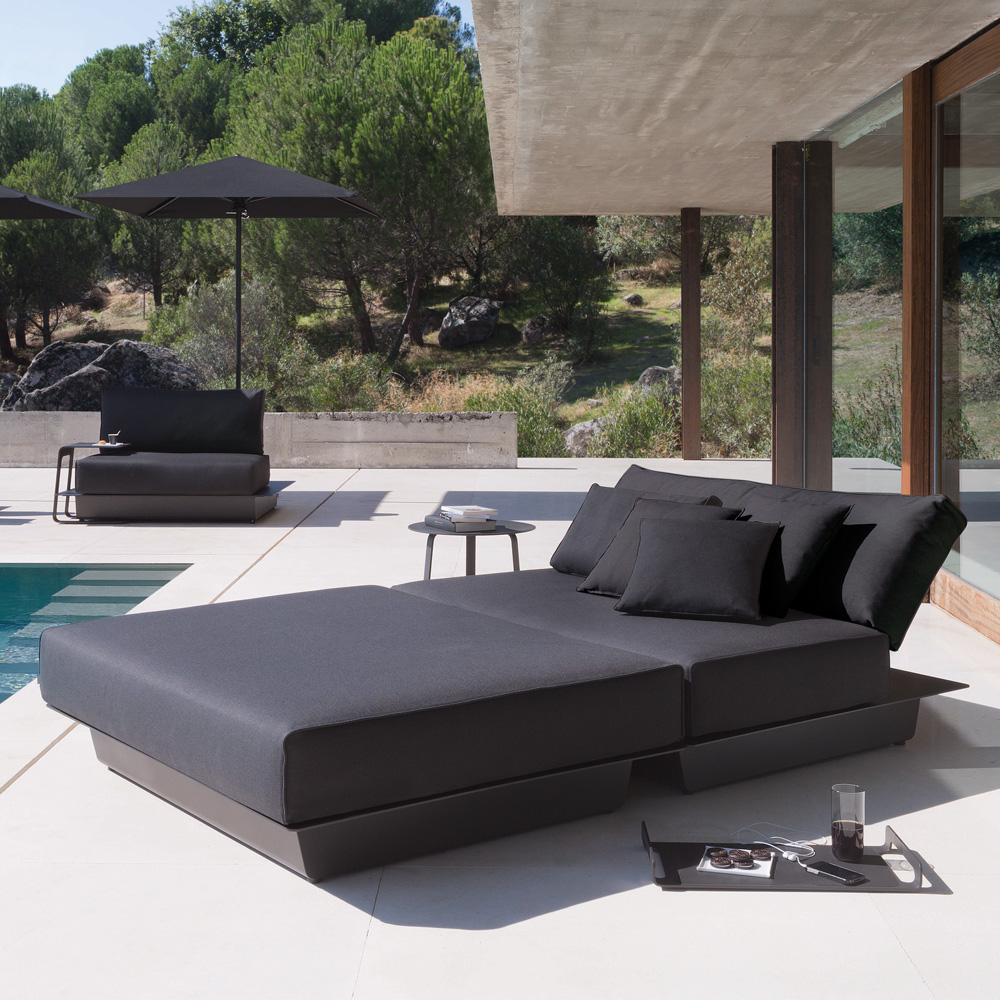
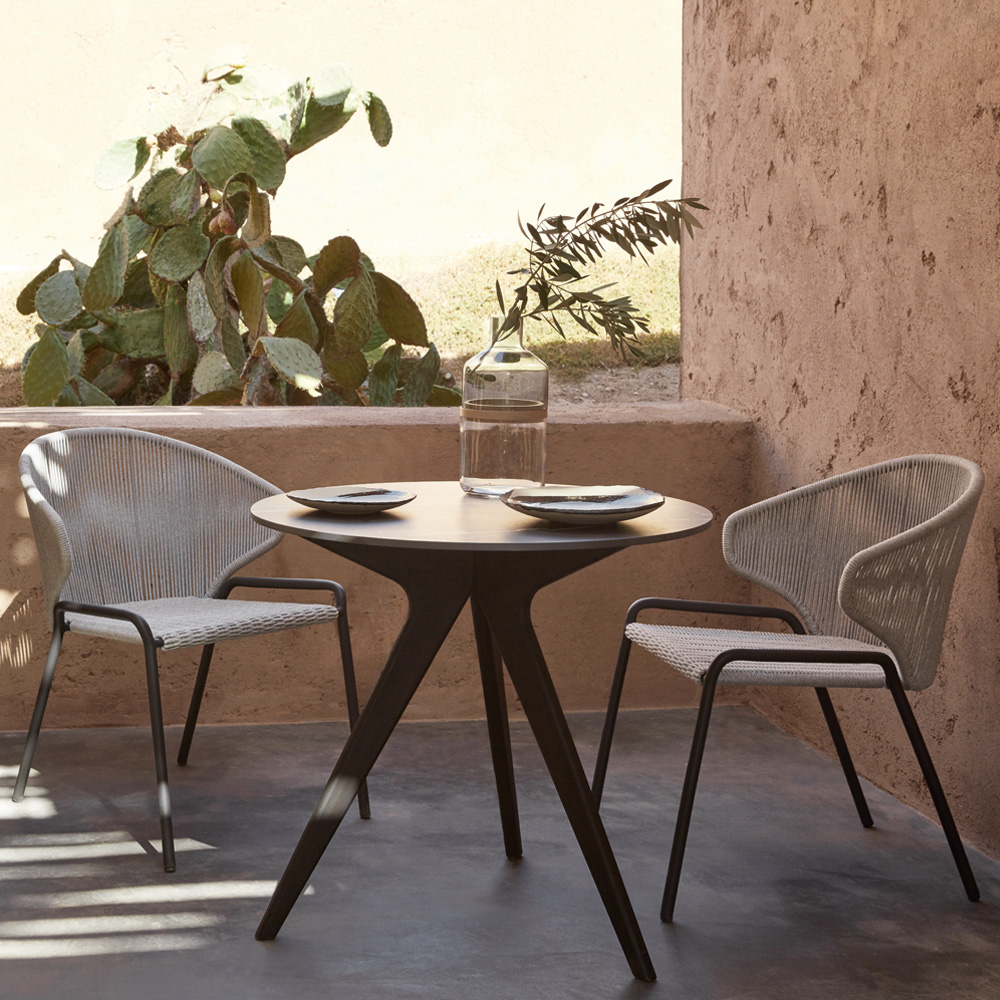
From high-end outdoor dining sets to sun loungers and designer daybeds, all luxury outdoor furniture must feature weather-resistant hardwoods like teak, powder-coated metals, performance fabrics, and durable, UV-protected finishes. Choose materials engineered for outdoor use, including quick-drying foams and mildew-resistant treatments.
Outdoor Sofas, Lounge Chairs, and Dining Sets
Invest in designs crafted from weatherproof hardwoods (like teak), powder-coated marine-grade metals, and UV-resistant performance fabrics to endure sun, rain, and temperature changes. This is vital for the longevity of outdoor sofas, dining sets, coffee tables and chairs.
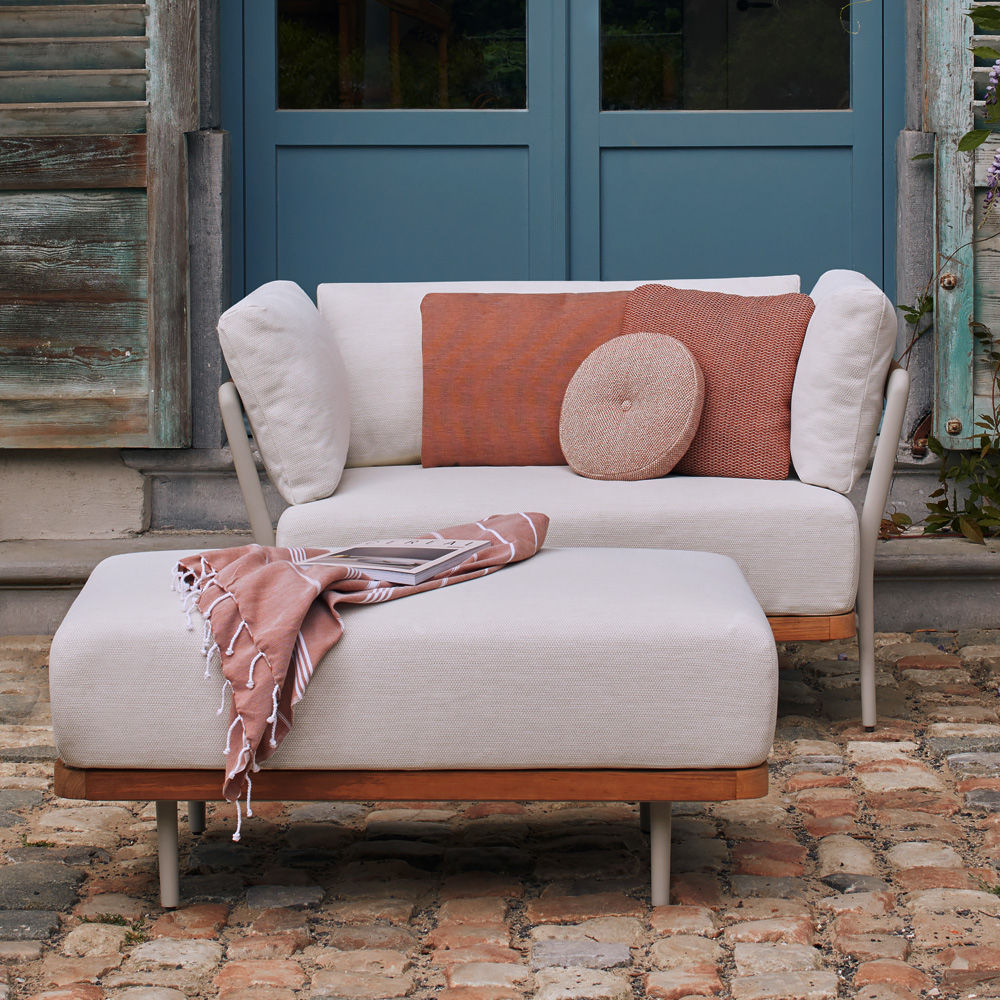
Daybeds and Sun Loungers
Comfort remains crucial, but high-end sun loungers and daybeds need materials engineered specifically for outdoor use. If you have a pool, hot tub, or jacuzzi, invest in quick-drying foams and mildew-resistant treatments.
Outdoor Lighting
Choose lighting fixtures rated for exterior use (IP-rated), with materials that resist corrosion and fading.
Umbrellas and Shade Solutions
High-end garden umbrellas and shade structures should combine robust construction with refined aesthetics. Look for marine-grade frames, UV-resistant performance fabrics, and precision-engineered mechanisms that offer effortless opening, stability in wind, and long-term protection.

Why Work with a Specialist in High-End Furniture Design and Manufacture?
When investing in luxury furniture, partnering with a specialist can transform the entire experience, ensuring that every piece you select is not only beautiful but perfectly suited to your lifestyle, space, and long-term aspirations.
For larger homes or full-room transformations, luxury furniture should not be chosen in isolation. It should work with the interior architecture, lighting, layout, finishes and overall design direction. Our luxury interior design service allows clients to combine high-end furniture sourcing with a complete design-led approach, creating rooms that feel coherent, personal and professionally resolved.
An expert in high-end, designer furniture brings a depth of knowledge that goes beyond surface aesthetics: understanding materials at a technical level, recognising superior construction techniques, advising on customisation, and curating selections that harmonise craftsmanship, functionality, and individuality. Through longstanding relationships with master craftsmen, specialist producers, and boutique ateliers, experts in high-end furniture can access rare materials, bespoke finishes, and artisanal techniques that are not available to the general public. Our insider network gives you access to furniture made to the highest standards, with specialist materials and detailing that distinguish each piece from anything available through standard retail channels.
Working with a luxury furniture specialist offers
Expert Guidance
Helping you evaluate key factors such as material integrity, construction quality, comfort, and proportion — empowering you to make confident, informed decisions.
Bespoke Furniture Design and Customisation
Tailoring pieces to your exact requirements, whether that means adjusting dimensions, choosing alternative finishes, or creating entirely bespoke designs for unique spaces or architectural features.
Working with a luxury furniture specialist helps you make considered, refined choices that align with your vision, creating a home that feels aesthetically exceptional, deeply personal, and enduring.
Bespoke Luxury Furniture vs Ready-Made Luxury Furniture
Ready-made luxury furniture is ideal when a piece already suits the room, dimensions and style of the project. It can be quicker than a fully bespoke item and may still offer customisation options.
Bespoke luxury furniture is better when the client needs something more specific. This may include unusual dimensions, a particular finish, a unique design, specialist storage, matching materials or a piece inspired by an image or concept.
Bespoke does not mean complicated for the sake of it. It should solve a design problem or create something exceptional that cannot be achieved through standard collections.
For high-end homes, bespoke furniture is often the difference between a room that looks well furnished and a room that feels fully designed. It allows the furniture to respond to the architecture, lifestyle and personal taste of the client.
Juliettes Interiors offers bespoke furniture design and manufacture for clients who want furniture created around their exact vision, including fully customisable and made-to-measure pieces.
Working with Juliettes Interiors: Specialist in Luxury, High-End, Designer Furniture
At Juliettes Interiors, we have been at the forefront of luxury furniture design and bespoke manufacturing since 2005. With over 20 years of expertise, private clients, interior designers, architects, and property developers around the world trust us to deliver exceptional quality, craftsmanship, and service.
Our reputation for excellence is reflected in our 5-star client reviews and in the longstanding relationships we build with those who value true luxury and individuality. Whether you are sourcing a single piece of high-end furniture or commissioning a full home transformation, we offer a curated, highly personalised experience at every stage.
Expert Consultation from our London Design Studio
Our award-winning London design studio offers tailored guidance at every step — helping you navigate materials, finishes, customisation options and full bespoke commissions with confidence and ease.
In-Stock and Ready-to-Ship Items
Alongside our bespoke furniture design capabilities, we maintain an extensive selection of luxury high-end furniture available online.
Customisable High-End Furniture
You can customise our full catalogue of luxury furniture and lighting to suit your exact vision, with options for dimensions, finishes, fabrics, and materials, allowing you to create pieces that feel entirely your own.
Bespoke AI-Designed Furniture and Manufacturing
For clients seeking truly one-of-a-kind creations, our innovative AI-assisted design and manufacturing services bring even the most ambitious visions to life. Juliettes Interiors is at the forefront of designing and manufacturing AI-designed luxury furniture. From fantasy AI concepts to fully realised pieces, we specialise in turning imagination into a tangible, beautifully crafted reality. Read our AI-designed furniture guide to understand how the process works and what is possible.
Interior Design, Turnkey Solutions and Full Project Management
For larger projects, we offer full turnkey services — managing everything from initial design through to manufacturing, delivery and white-glove installation. Delivering a seamless, stress-free, and enjoyable journey to a perfectly realised interior.
Global Expertise, Personal Service
Whether you are based in London or abroad, we bring a highly tailored, expert-led approach to every project. Blending 20 years of design experience with a deep commitment to personal, attentive service. At Juliettes Interiors, we believe in luxury furniture without compromise. Every piece of high-end designer furniture we deliver is a testament to our commitment to beauty without limits, quality without question, and individuality without compromise.
FAQs
Luxury Furniture FAQs
When buying luxury furniture, look beyond the appearance. A genuine luxury piece should combine proportion, comfort, craftsmanship, premium materials and long-term durability. The most important details are the frame construction, upholstery quality, finishing, joinery, scale, comfort and suitability for the room.
A luxury sofa, dining table, cabinet or bed should not simply look expensive in a showroom. It should work in your home, fit the architecture, suit how you live and age well over time. The best luxury furniture is usually made with solid timber, quality veneers, natural stone, premium metals, hand-applied finishes, specialist upholstery and carefully resolved details.
Avoid choosing a piece purely because it is fashionable. Current design commentary is placing more emphasis on timeless furniture, enduring materials and quality construction rather than disposable “fast interiors”. Livingetc
How can you tell if furniture is good quality?
Good quality furniture is usually visible in the construction, not just the surface finish. Check whether the frame is solid wood or engineered timber, whether the joints are strong, whether drawers run smoothly, whether upholstery is evenly tensioned, and whether seams, stitching, carving, lacquer or metalwork are clean and precise.
For sofas and chairs, the internal frame, seat support and cushion filling matter as much as the fabric. Luxury sofas are often worth more because the cost is reflected in stronger frames, better cushion fillings, high-grade fabrics and higher quality finishing.
For cabinets, tables and case goods, inspect the finish, edges, drawer boxes, hinges, handle quality, weight, stability and how the piece is assembled. A high-end piece should feel substantial, balanced and carefully engineered. House Beautiful
Is luxury furniture worth the money?
Luxury furniture is worth the money when the higher price buys better materials, stronger construction, better comfort, skilled craftsmanship, a superior finish and a longer lifespan. It is not worth it when the price is mostly branding, trend, or showroom styling.
A well-made luxury piece should offer practical and aesthetic value for many years. It should also be capable of being repaired, reupholstered or refinished where appropriate. This is one of the main differences between investment furniture and cheaper, mass-produced alternatives.
However, not every expensive item is automatically good quality. Buyers should ask what the price includes: materials, country of manufacture, customisation, finish options, delivery service, warranty, installation and aftercare.
What questions should I ask before buying luxury furniture?
Before buying luxury furniture, ask these questions:
- What materials is the piece made from?
- Is it in stock, made to order or fully bespoke?
- What are the exact dimensions?
- Will it fit through the entrance, stairs, lift and hallway?
- What finishes, fabrics or leathers are available?
- Can I see samples before ordering?
- What is the current lead time?
- What warranty or aftercare is included?
- Is delivery to room of choice or white-glove installation included?
These are practical questions, not decorative ones. They reduce the risk of ordering a beautiful piece that cannot be delivered, does not fit, or does not perform properly in the room.
What is the difference between designer furniture and luxury furniture?
Designer furniture usually refers to furniture created by a recognised designer, design house or brand. Luxury furniture refers to a higher level of material quality, craftsmanship, finish, scale and service.
The two can overlap, but they are not the same. A designer piece may have strong aesthetic value but may not always be the best choice for comfort, practicality or durability. Equally, a handmade luxury piece may not carry a famous designer name but may be superior in construction and finish.
For high-end interiors, the better question is not “Is it designer?” but “Is it beautifully designed, properly made and right for the room?”
What is bespoke furniture?
Bespoke furniture is furniture made specifically for a client, room or project. It may involve custom dimensions, specialist finishes, unique materials, altered proportions or a completely original design.
Bespoke furniture is most useful when a standard piece will not work because of scale, architecture, storage requirements, finish requirements or design intent. It is also valuable when a client wants a one-off piece that cannot be bought from a showroom.
The main advantage is control. The main disadvantage is that bespoke furniture usually requires longer lead times and is generally non-cancellable once production has started.
What is made-to-order furniture?
Made-to-order furniture is produced after the client places an order. It is not usually held in stock. The buyer may be able to select finishes, fabrics, leathers, sizes or details, but the base design often already exists.
Made-to-order sits between standard retail furniture and fully bespoke furniture. It gives more flexibility than stock furniture, but less freedom than a completely bespoke commission.
Recent UK guidance on made-to-order furniture suggests many premium pieces fall around 6 to 16 weeks, with many orders around 8 to 12 weeks, depending on customisation, production and delivery.
How long does luxury furniture take to arrive?
Luxury furniture lead times vary depending on whether the item is in stock, made to order or bespoke. In-stock items may be available quickly, but made-to-order and bespoke furniture commonly takes several weeks or months.
As a broad guide:
Stock luxury furniture: often available within days or weeks.
Made-to-order furniture: often around 6 to 16 weeks.
Bespoke furniture: often 10 to 20+ weeks depending on complexity, materials and workshop capacity.
Some bespoke makers state lead times from around 9 weeks, with larger structural pieces taking 14 to 16 weeks or more.
Buyers should not treat estimated lead times as fixed guarantees unless the supplier expressly confirms this in writing.
Why does bespoke furniture take so long?
Bespoke furniture takes longer because the piece must be designed, technically assessed, sampled, approved, manufactured, finished, inspected, packed and delivered. Specialist materials, hand-applied finishes, metalwork, stone, carving, upholstery and international shipping can all add time.
The delay is not necessarily a bad sign. In luxury production, speed often conflicts with quality. The risk is not the wait itself, but poor communication, vague specifications or no clear approval process.
Before ordering, ask for a written production timeline and confirm what must be approved before manufacture begins.
Can luxury furniture be customised?
Yes, many luxury furniture pieces can be customised. Common options include size, fabric, leather, wood finish, lacquer colour, metal finish, marble, stitching, trim, handles, leg style and cushion filling.
However, customisation has limits. Some pieces can only be adjusted within certain proportions because changing the scale may affect comfort, stability or visual balance. For example, increasing the width of a sofa may require structural changes, while altering a dining table size may affect leg position or stone support.
Before ordering, ask whether the customisation is aesthetic only or whether the structure is being altered.
Should I buy furniture online without seeing it first?
You can buy luxury furniture online, but you should reduce the risk before ordering. Request samples, detailed dimensions, finish information, photographs, technical drawings and delivery access guidance.
Online images are useful, but they can mislead. Screen settings, lighting, lens distortion and retouching can change the appearance of colour, texture, scale and finish. This is particularly important with velvet, leather, lacquer, marble, wood veneer and metal finishes.
For expensive pieces, a sample or showroom viewing is preferable where possible. If that is not possible, insist on proper written specifications before committing.
What furniture measurements should I check before ordering?
You should check the width, height, depth, seat height, arm height, table clearance, overall projection and weight. For larger items, also check packaging dimensions, not just the finished dimensions.
You also need to measure the route into the property: front door, hallway, staircase, lift, landing, ceiling height and any tight turns. Designers often warn against buying furniture without checking access, because a piece can fit the room but fail to fit through the building.
For luxury furniture, delivery access should be checked before order, not after production.
How do I choose the right size furniture for a room?
Choose furniture in proportion to the room, ceiling height, architecture and other pieces. Luxury interiors usually fail when the furniture is too small, too large, or visually disconnected from the space.
A common mistake is buying a beautiful piece in the wrong scale. Larger rooms often need stronger proportions, larger rugs, taller curtains, more substantial lighting and fewer small items. Recent interior guidance specifically warns that undersized rugs, mirrors, lighting and storage can make a scheme look cheaper or unfinished.
The correct size should support comfort, circulation and visual balance.
How do I choose a luxury sofa?
To choose a luxury sofa, consider frame construction, seat depth, cushion filling, fabric or leather quality, stitching, comfort, scale and how the sofa will be used. A formal drawing-room sofa and a family lounging sofa need different proportions.
For seat depth, general sofa guidance suggests around 33 to 36 inches for more upright sitting and 40 inches or more for deeper lounging.
Ask what the frame is made from, what the suspension is, what the cushions contain, whether covers are removable, whether the fabric is suitable for daily use, and whether the sofa can be reupholstered in future.
What is the best fabric for luxury furniture?
The best fabric depends on how the piece will be used. Silk, velvet, linen, bouclé, wool, mohair and high-performance woven fabrics can all be luxurious, but they behave differently.
For formal rooms, delicate fabrics can work well. For family homes, rental properties, pets, children or heavy use, performance fabrics are often more sensible. Luxury does not mean fragile. In many cases, the most appropriate luxury fabric is the one that combines beauty with durability.
Always ask for fabric composition, rub count where relevant, cleaning guidance, stain resistance, fading risk and whether the fabric is suitable for upholstery rather than decorative use only.
Is leather or fabric better for luxury furniture?
Leather is usually better for durability, patina and long-term use if the buyer wants a refined but practical surface. Fabric is often better for softness, colour range, texture and decorative flexibility.
The best choice depends on the room. Leather can look excellent in studies, media rooms, libraries and masculine interiors. Fabric may be preferable for formal drawing rooms, bedrooms and softer schemes.
The mistake is choosing leather or fabric based only on appearance. Consider temperature, maintenance, sunlight, pets, children, comfort and how the material will age.
What is quiet luxury furniture?
Quiet luxury furniture is high-end furniture that looks refined rather than showy. It usually uses strong proportions, calm colours, natural materials, fine detailing and excellent craftsmanship without obvious branding or excessive decoration.
Typical materials include wood, marble, linen, leather, wool, bronze, brass, lacquer and stone. Current interior commentary describes quiet luxury as subtle, timeless and material-led, with emphasis on quality rather than overt display.
For luxury buyers, quiet luxury is often the safest long-term choice because it ages better than trend-driven statement pieces.
How do I avoid buying furniture that goes out of fashion?
Avoid furniture that relies too heavily on a short-term trend, unusual colour, exaggerated shape or highly recognisable viral design. Instead, choose strong silhouettes, quality materials and pieces that work with the architecture of the home.
Timeless furniture does not need to be plain. It can be sculptural, ornate or dramatic, but it should have design integrity and be made well enough to last. Current design advice increasingly warns against “fast interiors” and encourages buyers to invest in fewer, better pieces that can evolve with the home.
The safest test is this: would the piece still look appropriate in ten years if the room were redecorated?
Should I buy a matching furniture set?
Usually, no. Fully matching furniture sets can make a luxury room look flat, generic and showroom-led. A better high-end interior usually combines complementary pieces with different textures, heights, materials and finishes.
Matching is not the same as coordinated. A room should feel balanced, but not identical. For example, a luxury bedroom may combine a bespoke upholstered bed, lacquered bedside tables, a bronze mirror, silk lampshades and a textured rug. The pieces relate to each other without looking like a catalogue set.
Recent designer guidance also warns against buying pre-matched sets because they can reduce individuality and make a room feel less curated.
What mistakes should I avoid when buying luxury furniture?
The most common mistakes are buying without measuring, ignoring comfort, choosing trend over quality, underestimating lead times, failing to check delivery access, not asking about materials, and assuming expensive means well made.
You should also avoid ordering made-to-order or bespoke furniture without approving samples, dimensions and finish details. Once production begins, cancellation rights are often limited.
The most expensive mistake is buying a piece that is visually impressive but wrong for the room, wrong for the lifestyle, or impossible to deliver.
What should I know before buying bespoke furniture?
Before buying bespoke furniture, you should know exactly what is being made, what materials will be used, what dimensions are approved, what finish is selected, what the lead time is, whether drawings or samples are included, and whether the order is refundable.
You should also ask what happens if the natural material varies. Wood, marble, leather and hand finishes can differ from samples. That variation can be part of the beauty, but it needs to be understood before ordering.
For high-value bespoke pieces, ask for a written specification and approval stage before manufacture.
Can bespoke furniture be returned?
Usually, bespoke furniture cannot be returned simply because the buyer changes their mind. Once a piece is made to a client’s specification, it is difficult or impossible for the supplier to resell.
This makes the approval process important. Before placing the order, confirm dimensions, finish, fabric, drawings, lead time, delivery method and cancellation terms in writing.
If the item is faulty, not as described or materially different from the agreed specification, that is a separate issue. But personal preference after delivery is rarely enough to cancel a bespoke order.
What is white-glove furniture delivery?
White-glove delivery is a premium delivery service where the furniture is brought into the property, placed in the correct room, unpacked and sometimes assembled. It may also include removal of packaging.
For luxury furniture, white-glove delivery is often essential because items can be heavy, fragile, high-value or difficult to install. This is particularly relevant for marble tables, mirrors, chandeliers, large sofas, lacquered cabinets and delicate finishes.
Always check whether delivery includes room placement, assembly, stair carry, specialist lifting, packaging removal and insurance.
What should I check before furniture delivery?
Before delivery, check access, parking, lift size, stair width, doorway width, floor protection, wall protection and whether the room is ready. If the property is an apartment, confirm building rules, loading bay access, concierge requirements and permitted delivery hours.
For expensive furniture, do not leave delivery access to chance. Provide the supplier with photographs, measurements and any restrictions before the item is dispatched.
If specialist lifting, a hoist or extra manpower is required, this should be arranged in advance.
How do I choose luxury furniture for a high-end home?
Choose luxury furniture by starting with the architecture, not the product. Consider the scale of the rooms, ceiling heights, natural light, lifestyle, storage needs, views, flooring, wall finishes and existing pieces.
The best high-end homes do not look as though every item was bought separately. They have a clear design language. Materials, silhouettes, finishes and proportions should work together.
For luxury interiors, fewer better pieces usually work better than many decorative items. Quality, proportion and restraint are usually more convincing than excess.
What luxury furniture is best for investment?
The best investment furniture is well made, timeless, repairable and suitable for long-term use. This may include handmade sofas, dining tables, cabinetry, statement mirrors, beds, sideboards, desks, armchairs and collectible designer pieces.
However, most furniture should not be bought purely as a financial investment. Buy it because it improves the home and will be used. Some collectible pieces may hold or increase value, but many luxury items depreciate once delivered.
The safer form of “investment” is longevity: buying a piece once, rather than replacing poor-quality furniture repeatedly.
What are the best materials for luxury furniture?
The best luxury furniture materials include solid wood, quality veneers, marble, onyx, travertine, bronze, brass, stainless steel, leather, wool, mohair, silk, linen, lacquer and specialist glass.
The right material depends on the function. Marble is beautiful but heavy and porous. Lacquer is elegant but can scratch. Velvet is luxurious but may mark depending on pile and use. Leather is durable but needs care. Wood is warm and timeless but can move with humidity.
Material choice should be based on use, maintenance, climate, sunlight and desired appearance.
How do I know if a luxury furniture brand is reputable?
A reputable luxury furniture brand or supplier should provide clear product specifications, proper images, finish options, lead times, delivery information, terms and aftercare. They should also be able to explain materials, construction and suitability.
Look for evidence of completed projects, showroom history, client reviews, trade experience, press coverage, design credentials and transparent communication. Customer reviews
Be cautious if the supplier cannot explain where the item is made, what it is made from, whether it is in stock, or what happens if there is a problem.
Should I use an interior designer to buy luxury furniture?
An interior designer is valuable when the purchase is expensive, bespoke, large-scale or part of a wider scheme. A designer can check proportion, scale, finish, comfort, lighting, access and whether the piece works with the rest of the room.
For high-net-worth homes, the cost of getting furniture wrong can be significant. A designer helps prevent expensive errors such as incorrect sizing, poor layout, mismatched finishes, unsuitable fabrics or furniture that cannot be delivered.
For one small item, a designer may not be necessary. For a full room or property, professional guidance is usually worth it.
What is the difference between luxury furniture and high street furniture?
Luxury furniture usually offers better materials, stronger construction, greater customisation, finer finishes, better proportions and longer service life. High street furniture is usually more standardised, faster to obtain and cheaper, but often with more compromises in construction and materials.
The difference is not always visible in photographs. It becomes clearer in the weight, comfort, finish, detailing, longevity and how the piece performs after years of use.
A good high street piece can be appropriate in some situations. But for important rooms, luxury furniture usually gives a more refined and permanent result.