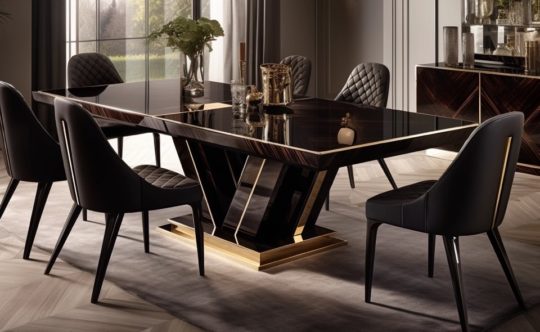
Luxury dining room interior design guide
Unlock the secrets to crafting an elegant and inviting dining room with our comprehensive guide to luxury dining room interior design. From curated furniture to statement lighting, discover how to create a space that seamlessly blends style, functionality, and sophistication—perfect for hosting memorable gatherings.
The dining room is much more than a space for meals; it’s the heart of social gatherings, family celebrations, and elegant soirees. Whether you’re hosting a lavish dinner party, enjoying a quiet family meal, or creating an opulent ambience for festive occasions, your dining room should reflect your personal style while offering the ultimate in comfort and functionality. The comfort of your dining room should be so inviting that your guests linger, savouring the atmosphere and engaging in lively conversation long after the gastronomic delights have been enjoyed.
Designing a luxury dining room that effortlessly balances aesthetic beauty, and practicality requires careful planning and thoughtful execution. That’s why we’ve created this guide to help you navigate the complexities of dining room interior design, ensuring that every detail is tailored to your lifestyle and vision.
Jump to:
- Design inspiration
- Colour scheme
- Space planning
- Factors to be considered when planning your room layout
- Selecting the right furniture
- Selecting the right materials and finishes
- Why work with an interior designer?
- Luxury dining room interior design, London, UK
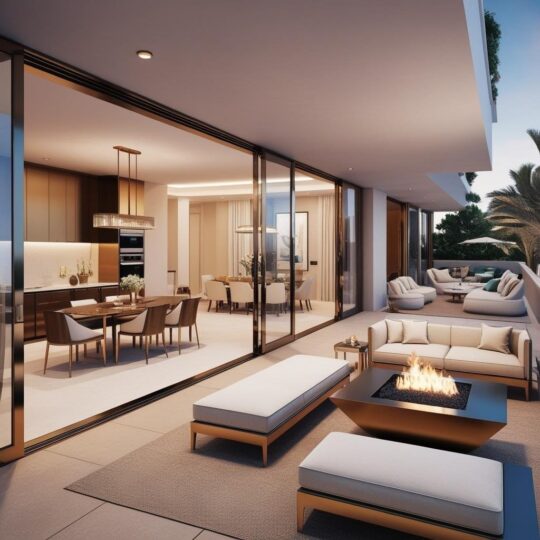
Dining room design inspiration
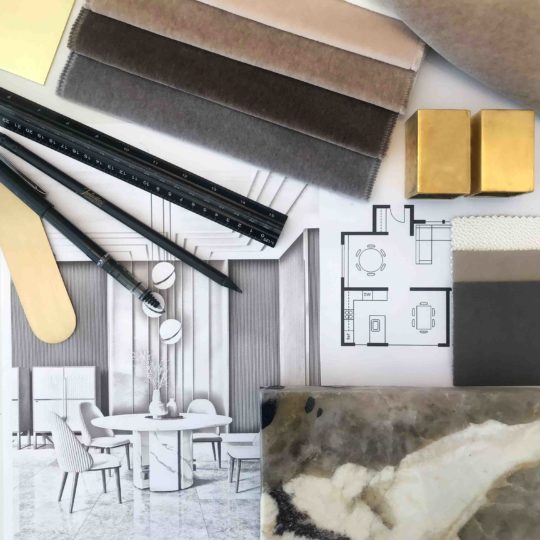
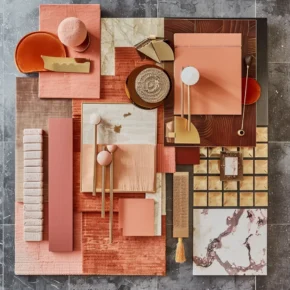
Every great interior design project starts with inspiration. So, when thinking about your dining room design the process should begin by gathering inspiration and refining your vision. After all, dining rooms should be more than just functional spaces—they should offer a feast for the eyes as well as the palate, creating exceptional atmospheres to be savoured and experienced. Creating mood boards is an excellent way to curate and organise your aesthetic inspirations. To start, collect images that embody the look, feel, and ambience you wish to create in your dining room.
Consider these four key elements as you build your mood board:
- Colour: Define the tones and hues that resonate with your desired aesthetic.
- Texture: Include ideas for tactile elements like fabrics, surfaces, and finishes.
- Material: Highlight the materials that reflect the level of luxury you want, from marble to wood to metal accents.
- Mood: Capture the overall feeling—whether it’s opulent, warm, minimalist, or vibrant.
Your sources shouldn’t just be limited to interior images—abstract images, for example, can evoke the essence of the space you want to create. Incorporating non-interior visuals can encourage creativity and allow for a freer design direction.
Mood boarding is an essential first step to refine your ideas and ensure they work cohesively. Whether you use digital tools like Pinterest or prefer the tactile experience of physical boards, this process will help you visualise textures, colours, and styles, laying the foundation for a beautifully designed dining room.
When collaborating with an interior designer, the visualisation and mood-boarding process is a vital step in shaping your brief and co-creating the vision for your dining room. This process helps translate the vision in your mind onto paper. Ultimately, it forms a clear plan for bringing your dream dining room to life.
Colour scheme
Colour theory plays a vital role in crafting the perfect dining room atmosphere. With thousands of hues to choose from, it’s essential to understand the four elements of colour value:
- Hue – colour at full saturation
- Tint – adding white to a colour
- Tone – adding grey to a colour
- Shade – adding black to a colour
The way colours interact can create striking effects. For example, placing dark tones next to bright ones will make the bright colours pop even more. Warm tones, such as deep reds and earthy browns, create a cosy, intimate dining experience and can make the room feel smaller. In contrast, cool tones like blues and greens bring a sense of calm and openness, making the space feel larger. This concept applies to neutrals as well, with warm greys, creams, and whites offering a welcoming vibe, while cooler tones add crispness and refinement.
When selecting your dining room’s colour scheme, consider the 8 key colour theories to ensure a harmonious and visually appealing palette:
- Monochromatic – different shades, tones, and tints of the same colour create a clean, sophisticated look.
- Analogous – three colours next to each other on the colour wheel evoke a cohesive, harmonious feel.
- Complimentary – opposite colours on the wheel, such as blue and orange, create dynamic contrast and visual interest.
- Split Complementary – using two colours on either side of a complimentary colour offers boldness without overpowering the space.
- Triadic – three colours evenly spaced on the colour wheel provide a vibrant, balanced look.
- Achromatic – uses black, white, and variations of grey.
- Tetrad – four pairs of complementary colours.
- Square – four colours always include one primary, one secondary and two tertiary colours.
The right colour scheme doesn’t just set the tone for your dining room—it transforms it into an elegant, inviting space where every meal feels like an occasion.
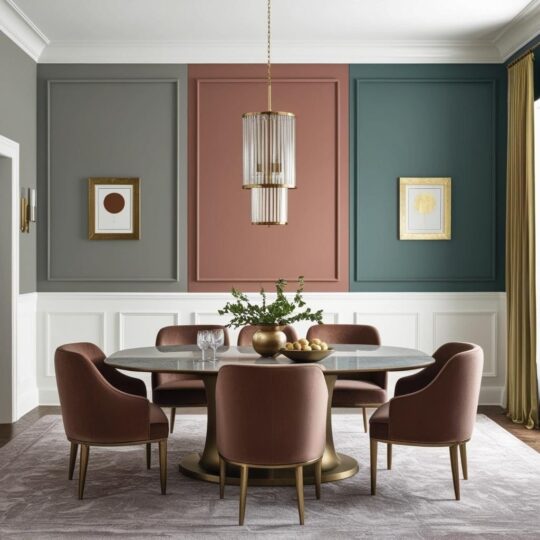
A well-thought-out colour scheme can elevate your dining room, transforming it into a space where both atmosphere and aesthetics shine. The mood and feeling created by your chosen colours can significantly influence how you and your guests experience the room. However, crafting a balanced and harmonious palette for such a focal area of your home, can feel overwhelming.
This is where working with an interior designer can make all the difference. With extensive expertise in colour theory and pairing, an experienced designer can turn this complex task into an enjoyable and collaborative journey. They’ll use a range of tools and techniques to guide you through the process, ensuring that your initial ideas evolve into a stunning, unique colour scheme that perfectly complements your dining room’s purpose and your personal style.
We’ve put together a comprehensive guide on how to use colour theory in interior design including an overview of colour harmonies, undertones, and using colour for spatial perception, packed with expert tips from our award-winning interior designers.
Space planning and dining room layout
Space planning is a cornerstone of successful dining room design. With so many elements to balance, this is where the expertise of an interior designer becomes invaluable. Effective space planning ensures your dining room not only meets its primary function but also accommodates additional uses seamlessly, all while maintaining a visually stunning and inviting aesthetic. By carefully considering layout, flow, and purpose, a well-planned dining room becomes a perfect blend of functionality and elegance, tailored to elevate every dining experience.
What are the desired uses for your dining room?
Luxury dining rooms are no longer just spaces for formal meals—they have evolved into multifunctional areas that cater to a variety of needs and experiences. So, start by considering how the space will be used. The modern dining room is a multifunctional space and therefore needs to accommodate more than one function. Determining the primary purpose for the room, plus all other uses you need to accommodate for, here are some of the things you should consider:
How many people will be using the space? What age are they? What’s their designated purpose in using the dining room?
Understanding the day-to-day usage of your dining space will help define layout, flow, furniture sizing and lighting requirements. So being clear on this before you create your floor plans, will enable you to make the best use of the space, large or small, and achieve the best layout possible to marry functionality and visual appeal.
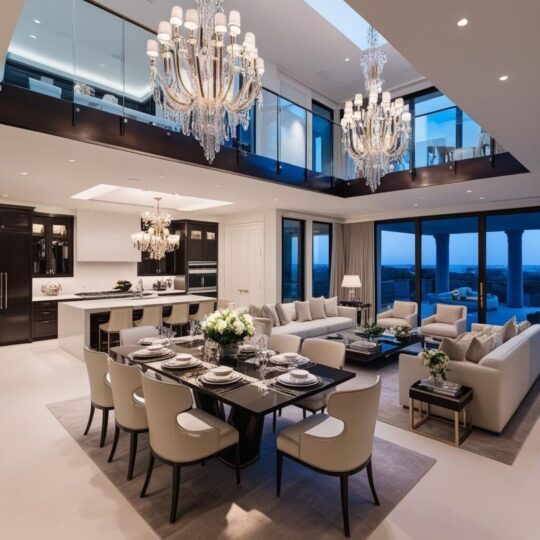
Here are some of the innovative ways our clients utilise their dining spaces:
Formal and informal entertaining:
- Family meals and casual dining
- Grand banquets and dinner parties
- Incorporate a luxurious home bar
- Wine and whiskey tastings
- Chef’s table experiences
- Interactive dining for immersive culinary experiences
Hybrid meeting and dining spaces:
- Business gatherings dining rooms that double as elegant boardroom spaces for high-powered meetings
- Strategic retreats for intimate business brainstorming sessions
Multifunctional family spaces:
- Homework or study area
- Craft and creativity zone
Art displays:
- Dining rooms with curated art or sculpture collections are bang on trend, a space to showcase and enjoy your art collection
Relaxation and leisure:
- Reading and relaxation, a charming spot for morning tea, journaling, or losing yourself in a good book, even a Downton Abbey-inspired tearoom nook.
- Card and game nights: With minimal adjustments, dining tables can serve as surfaces for poker, chess, or family game nights
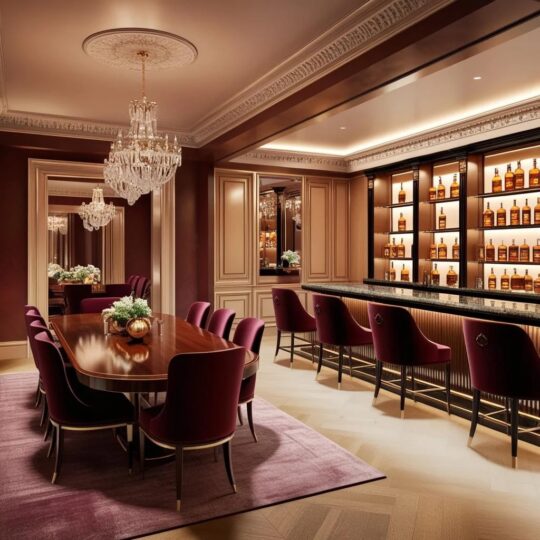
Here are some of the factors that need to be considered when planning your dining room layout:
Dining room features
What fixed elements are present in your dining room? These might include windows, doors, architectural details like columns, or even built-in shelving. Identifying these fixed features will help determine how to arrange furniture and design the flow of the room.
Focal points
What are the existing focal points of your dining room? These are the standout elements that immediately draw attention. For instance, a grand fireplace, floor-to-ceiling windows, or perhaps an elegant archway that can serve as the main visual anchor. If your dining room doesn’t have a natural focal point, no problem, they can be created through strategic placement of furniture or décor. In larger dining spaces, multiple focal points can define distinct zones, but be cautious not to overcrowd the room, too many focal points can make it feel chaotic.
Natural light
Lighting plays a critical role in setting the mood of your dining room. Consider how natural light enters the space throughout the day and how it interacts with your colour scheme and furnishings. The placement of windows and the intensity of sunlight can influence where you position your table, chairs, and decorative elements.
Incorporating natural light effectively can create a warm and inviting atmosphere that enhances the dining experience, whether for casual meals or formal gatherings.
Considerations for your dining room layout:
- Dining table placement: Position of your dining table leaving sufficient space for chairs and movement.
- Traffic flow: Ensure there is at least 90cm of clearance around the table for easy navigation.
- Additional features: Will it serve purely as a dining space, or will it include additional features like a bar or sideboard?
- Lighting zones: For example, highlight the dining table with a grand chandelier and use accent lighting to define other areas.
In open-plan or broken-plan layouts, zoning becomes an essential strategy to define the dining space within a larger area. Especially popular are open-plan kitchen and dining spaces, making the flow from chef to table seamless. Use rugs, furniture placement, or lighting to visually separate the dining room while maintaining a cohesive flow with adjoining spaces.
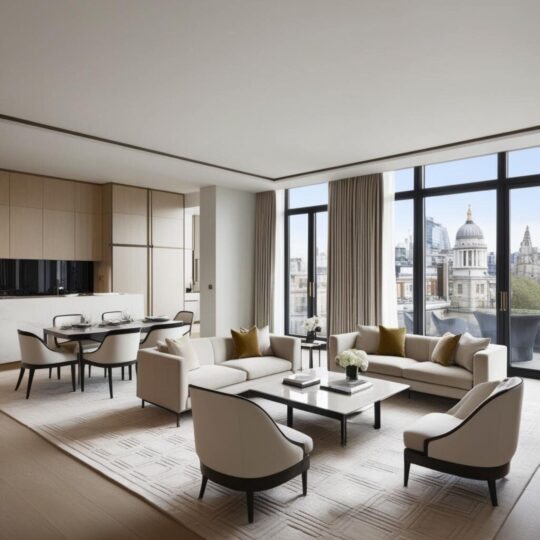
Existing dining room furniture
Unless you’re starting with a blank canvas, you may have existing dining furniture that needs to be incorporated into the new design. Consider how these pieces can work within the updated layout and aesthetic.
Using a measured floor plan and experimenting with different arrangements on paper can help you visualise and test various layout options for your dining room. Once you’ve narrowed it down to one or two potential layouts, start mapping out key areas and the furniture you’ll need. Working to scale at this stage ensures you get an accurate representation of your dining room’s layout.
However, at this early stage, you most likely will not have finalised all your furniture selections, so exact sizes may not be known. However, for existing pieces you plan to keep, be as precise as possible. For new furniture, allocate rough measurements based on standard dining tables, chairs, or sideboards. With these in place on your floor plan, you can assess circulation paths to identify potential issues and refine the layout accordingly.
Creating accurate floor plans is a skill that requires precision, and getting it right is crucial to avoid costly mistakes. This is where the expertise of an interior designer can make all the difference. Not only can they take on the task of producing precise plans, but they also bring invaluable experience in tailoring layouts to meet your vision and needs. From maximising functionality to ensuring every piece of furniture integrates seamlessly, they consider every detail, creating a dining room that is as beautiful as it is practical.

Selecting dining room furniture
When selecting your dining room furniture, the following points need to be considered:
- Style and colour
- Use and user
- Size
- Materials
- Cost
- Durability
- Comfort
- Fit for purpose
Refer back to your mood board
Don’t forget the hard work invested at the beginning, now is the perfect time to refer back to your mood board to refine the vision and style direction for your dining room. Pay close attention to the shapes and forms that dominate your inspiration. Are they organic and flowing, or geometric and structured? Do they feel heavy and grounded or light and airy? Consider how the colours on your mood board interact—what is the balance between main colours and accent tones? Observe the textures and materials represented, as these elements will play a significant role in setting the room’s atmosphere.
To bring clarity to your design vision, write down 3–5 descriptive words that encapsulate your mood board, such as “elegant,” “bold,” or “harmonious.” This step helps create a clear set of guidelines for selecting your dining room furniture and décor, ensuring that every piece aligns with your vision and enhances the overall aesthetic. This is where a physical sample board can be particularly helpful to see how the colours, textures and material interplay.
Planning for access
Your dining room furniture must be fit for function and form, but another key consideration that is often forgotten is planning for access. When selecting pieces for your dining room, it’s essential to think beyond the room itself and consider the logistics of delivery and access. Here’s what you need to account for:
- Getting the piece to the dining room: Assess the best delivery and installation routes.
- Measuring access points: Take precise measurements of corridor widths, ceiling heights, and entranceways.
- Navigating tight spaces: Stairs, narrow hallways, and sharp corners can present challenges when moving larger furniture pieces.
Failing to plan for access can lead to costly mistakes. For example, your stunning dining table may fit perfectly in your room design plan, but it could be impossible to manoeuvre through a narrow doorway or tight staircase.
Experienced interior designers are skilled in assessing both space and access routes, ensuring your furniture not only fits beautifully in your dining room but also arrives seamlessly. From the truck to its final placement, they guarantee a hassle-free and elegant finish.
Dining room interior design: Selecting the right materials and finishes
With so many materials and finishes to choose from, it can often be daunting to know where to start. Understanding the different properties will help narrow your selection.
When selecting dining room tables and chairs, understanding the properties of the materials is key to finding pieces that suit your style, functionality, and lifestyle. Below are common woods and materials used in luxury dining furniture, along with their benefits and challenges:
Solid Wood
Properties:
- Durable and long-lasting.
- Available in a variety of finishes and grains, such as oak, walnut, mahogany, and teak.
- Develops a patina over time, enhancing its character.
Benefits:
- Timeless appeal and high-end look.
- Can be refinished or repaired to extend its life.
- Complements various styles, from traditional to contemporary.
Challenges:
- Susceptible to scratches and dents if not properly maintained.
- Sensitive to humidity and temperature changes, which can cause warping or cracking.
- Heavier than other materials, making it less portable.
Veneered Wood
Properties:
- Thin slices of wood applied over a core material (often MDF or plywood).
Benefits:
- Resistant to warping and splitting.
- Lightweight and easier to move.
- Provides a luxury look with intricate patterns, such as book-matched veneers.
Challenges:
- Can’t be sanded or refinished if damaged.
- Lower durability compared to solid wood.
- May chip or peel over time.
Glass
Properties:
- Available in clear, frosted, or tinted finishes.
- Often paired with metal or wood bases for added stability and a luxurious finish.
Benefits:
- Creates an illusion of space, making rooms feel larger.
- Easy to clean and maintain.
- Resistant to staining and water damage.
Challenges:
- Prone to scratches and fingerprints.
- Requires frequent cleaning to maintain its polished look.
- Can feel cold or less inviting compared to wood.
Marble and Stone
Properties:
- Natural materials with unique veining and patterns.
- Heavy and durable.
Benefits:
- Exudes opulence and luxury.
- Highly durable and resistant to heat.
- Each piece is unique, offering a bespoke aesthetic.
Challenges:
- Porous surfaces may stain or etch if not sealed properly, so ensure any furniture is made by a master craftsman.
- Heavyweight can make moving or rearranging difficult.
- Requires regular maintenance to keep its pristine look.
Metal (Stainless Steel, Brass, or Aluminium)
Properties:
- Sleek and modern, often used for bases or chair frames.
- Resistant to corrosion with proper finishes.
Benefits:
- Durable and sturdy, ideal for high-use areas.
- Easy to clean and maintain.
- Works well with industrial, contemporary, and minimalist designs.
Challenges:
- Can feel cold or stark if not balanced with softer elements.
- Susceptible to scratches or dents.
- Some metals may tarnish over time without proper care.
Mixed Materials
Properties:
- Combines two or more materials, such as wood with metal or glass with marble.
Benefits:
- Offers a dynamic, layered look.
- Combines the best qualities of different materials.
- Adds visual interest and versatility.
Challenges:
- Higher price point due to craftsmanship.
- Requires careful balancing to avoid clashing aesthetics.
Tips for choosing the right material for your dining table:
- For durability: Opt for solid wood or metal.
- For easy maintenance: Choose veneered wood, glass, or marble with proper sealing.
- For luxury: Look for marble, high-quality upholstery, or bespoke solid wood.
- For versatility: Consider mixed materials or bespoke pieces.
By understanding the properties, benefits, and challenges of each material, you can make informed choices that suit both your dining room’s design and your lifestyle.
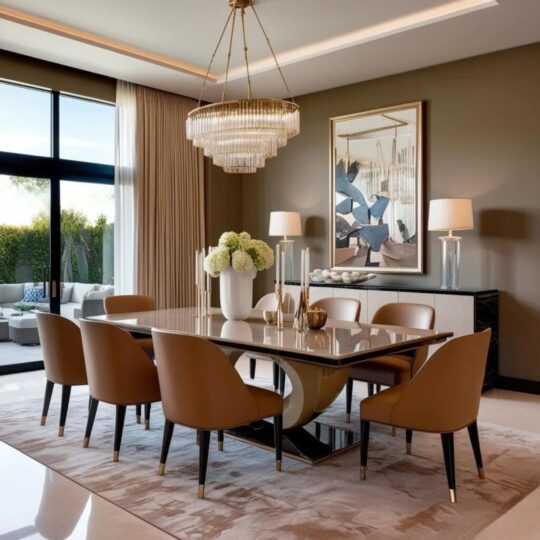
-
 Modern White Maple Dining Table Set£23,452.00
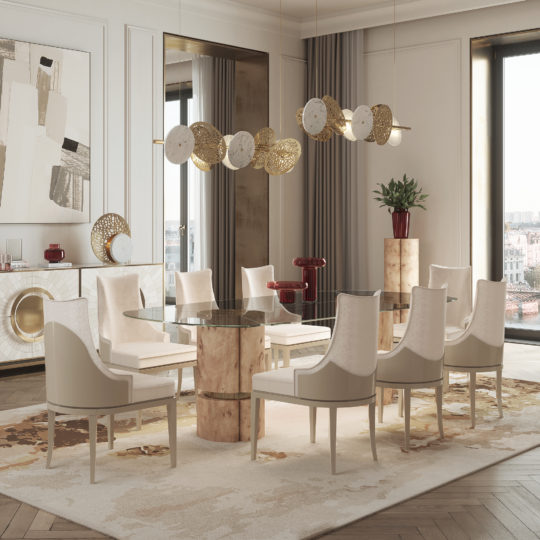
 -
Modern Veneered Rectangular Glass Dining Set£40,907.00
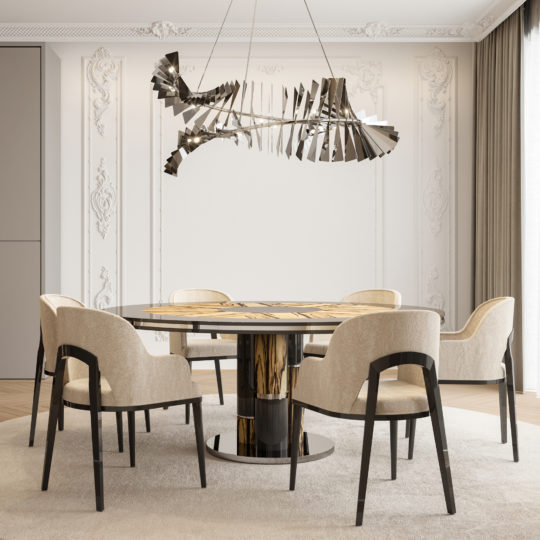
-
Luxury Round Ebony Veneer Dining Table Set£35,067.00
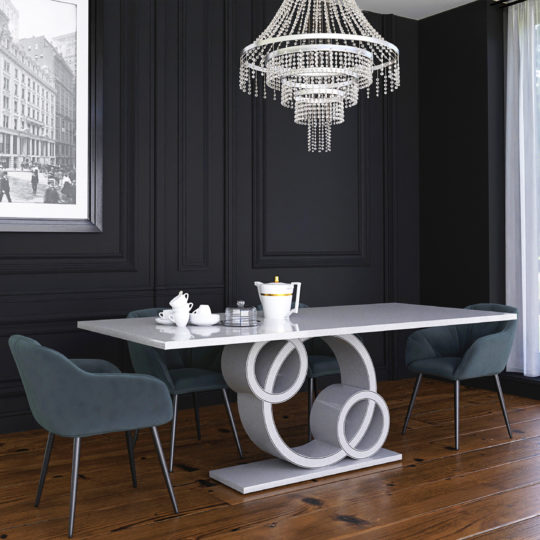
-
Exclusive Marble Dining Table£6,874.00

Fabric:
There are two main categories of fabrics natural and synthetic. Whilst there is a huge array, these are the most common characteristics:
Natural fabrics derived from nature: Cotton, Linen, Silk, Leather
Luxurious texture or feel, breathable fabric.
Crease more easily, slower to dry.
Synthetic fabrics are man-made fibres: Nylon, Polyester, Rayon
Do not crease as easily, dry quicker.
Another consideration is the rub count, which is used to determine the durability of the fabric and therefore its suitability for certain uses. Your dining chairs, for example, will require a higher rub count than your curtains, as they will get more wear and tear. Also, when entertaining, fabrics that are prone to staining may be less appealing or require regular cleaning or treatments.
Flooring:
Selecting the right flooring for your dining room is a significant decision that requires careful consideration, as it will play a key role in the room’s functionality, aesthetics, and overall budget.
Dining rooms are high-traffic areas, often used for entertaining guests, hosting family dinners, and occasional celebrations. As such, the flooring needs to be durable, easy to clean, and resistant to scratches or marks. Spills and accidents are common in dining spaces, so choosing a material that combines elegance with practicality is essential.
It’s wise to seek advice and obtain samples of potential dining room flooring materials before making your final decision. A common design mistake is overlooking the thickness of the flooring, which can result in misaligned door heights, uneven transitions between adjacent spaces, or complications with furniture placement.
While interior designers may not specialise in every single type of flooring, they collaborate with trusted suppliers and leverage their expertise to recommend materials that align perfectly with your dining room’s purpose and aesthetic.
Wall finishes:
The walls in your dining room have a significant impact on the room’s atmosphere, as they cover a large surface area and set the stage for your design scheme. Thoughtfully chosen wall finishes can transform your dining space into a refined and inviting environment.
Consider how your chosen colours, textures, and patterns will complement the room’s functionality and style. But also consider what you wish to display in your dining room, artwork, fine china and glassware, these should also be considered when planning your wall finishes to ensure they complement or contrast each other in harmony. Dining rooms often serve as a setting for memorable meals and special occasions, so wall finishes should balance durability with elegance. Assess how these finishes work with the room’s natural light, focal points, and overall design plan.
Whether you opt for luxurious wallpapers, textured wall panels, or sophisticated paint finishes, it’s essential to align your choices with the maintenance requirements and practicality of a dining space. Consulting with an interior designer can help ensure your selections are cohesive, durable, and beautifully integrated into your dining room design.
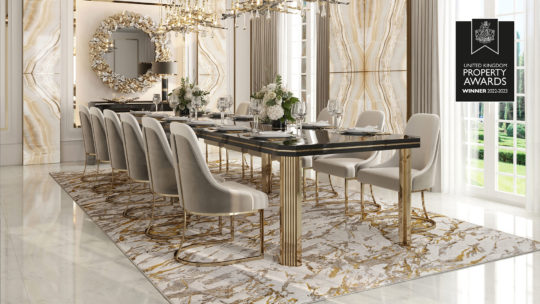
Selecting the right dining table and chairs
Choosing the perfect dining table is a critical decision for creating a dining space that is both functional and luxurious. Given its central role and frequent use, it’s essential to view your dining table as an investment piece—always opt for quality.
Selecting the right dining table and chairs starts with your room size and proportions, which you should have an accurate picture of from your floor plans.
Things you should consider when selecting a dining table:
- Scale: A table that is too large can dominate the room, while one that is too small can feel lost in the space. Consider the scale of other furniture and design elements in the room.
- Fit and flow: Measure the dimensions of your dining room to ensure the table fits comfortably without overcrowding the space. Leave at least 90 cm (36 inches) between the table and walls or furniture for easy movement.
- Height: Standard dining tables are typically 75-76 cm high (30 inches). Ensure chairs fit comfortably underneath, with ample legroom.
Seating capacity is another key consideration:
- Guest Numbers: Consider how many people you typically entertain and ensure there’s enough seating for all.
- Extensions: Look for extendable dining tables if you frequently host larger gatherings but want a more compact option for everyday use.
The shape of your dining table can make a big difference to the flow and fit in your room; it also plays a big part in creating the right ambience.
- Rectangular dining tables: A classic choice, ideal for larger rooms and formal settings. They provide ample seating and can accommodate larger gatherings.
- Round dining tables: Perfect for smaller spaces or creating a more intimate dining experience. They promote conversation by eliminating corners.
- Oval dining tables: Combine the space-saving benefits of round tables with the grandeur of rectangular ones.
- Square dining tables: A modern choice, ideal for square-shaped dining rooms and smaller gatherings.
- Custom shapes: For a unique aesthetic or unconventional space, consider bespoke designs that cater to your needs.
-
Exclusive Abstract Rectangular Designer Dining SetPrice range: £3,313.00 through £38,970.00
-
Contemporary Lacquered Round Dining Set£31,446.00
-
Contemporary Oval Quartz Dining SetPrice range: £3,291.00 through £36,274.00
-
Square Louis Reproduction White Dining Table SetPrice range: £2,727.00 through £21,699.96
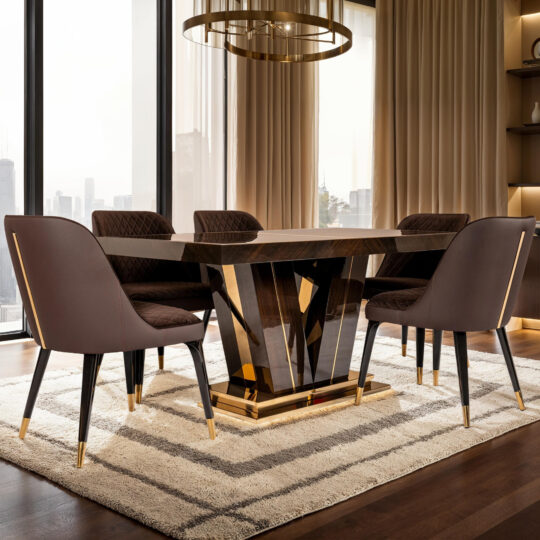


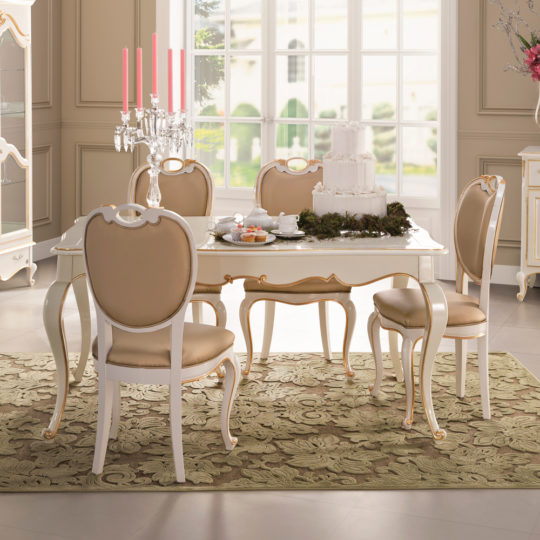
The style of your dining table sets the tone for the entire dining room, reflecting your personal taste and the atmosphere you wish to create. Classic dining tables exude timeless elegance with intricate detailing, rich wood finishes, and traditional craftsmanship, perfect for formal settings. Art Deco-inspired tables bring that hallmark touch of glamour with bold geometric designs, luxurious materials like marble and brass, and opulent finishes. For a more streamlined look, modern dining tables offer clean lines, innovative materials, and minimalist forms, ideal for contemporary spaces.
Luxury dining chairs play a pivotal role in the comfort of your dining room, but they are also essential for accenting the style tone of your dining room. The latest luxury dining room design trend of mix-and-match seating adds a fresh, eclectic charm to luxury interiors. Pair classic dining chairs, with their elegant curves and intricate carvings, alongside modern designs featuring sleek lines and minimalist materials for a bold, curated look. Art Deco chairs, with their glamorous metallic accents and rich fabrics, can complement rustic or farmhouse-style seating, creating depth and contrast. Mixing materials like wood, metal, and velvet upholstery enhances visual interest while still maintaining cohesion through a unifying colour palette or design element. This trend allows you to combine the best of tradition and innovation, making your dining space not just functional but a stunning reflection of your unique style.
Pro tip: Make your dining table and chairs fit the space, not the other way round. Going bespoke with custom-designed dining room furniture is often the best approach. Creating the perfect dining set that meets your aesthetic preferences and functional needs, made to measure exactly to your specific requirements.
Buffets and Sideboards
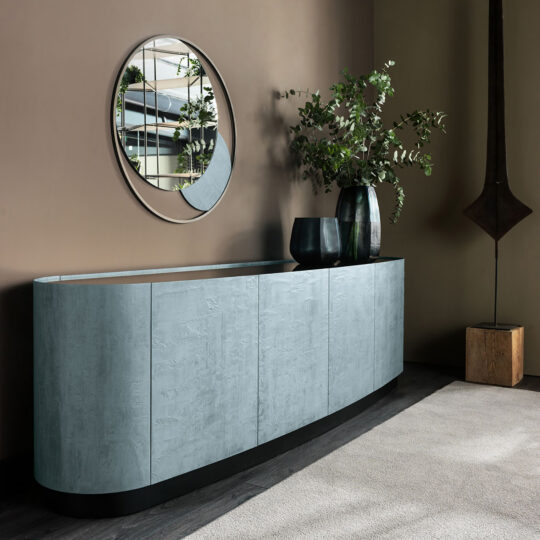
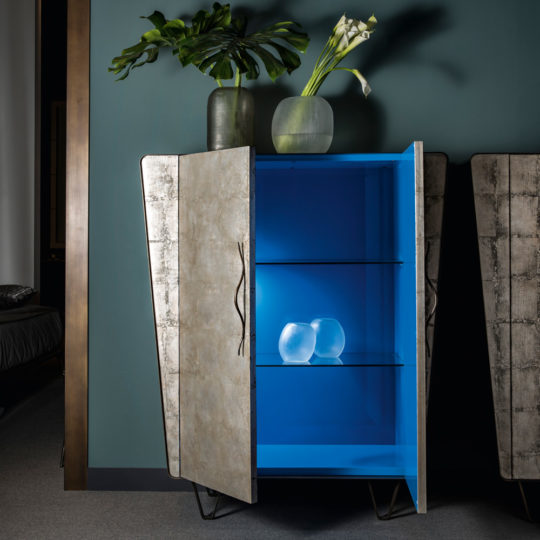
Elegant storage pieces like buffets, sideboards or display cabinets offer both functionality and style, perfect for showcasing fine china or crystal. They can be more than just storage solutions—they are statement pieces that elevate the sophistication of your dining room. Consider what you would need to store or what you would like to display, should these items be on show to be adored or hidden from view. Look for luxurious materials like marble tops, polished wood, or metallic accents that add elegance, while ensuring ample space for storing dinnerware, linens, or serving essentials. The right buffet or sideboard seamlessly enhances both the aesthetic and practicality of your space.
-
Blue Slate Effect Four Door BuffetPrice range: £9,423.00 through £12,047.00
-
High End Glass Display Cabinet£15,260.00
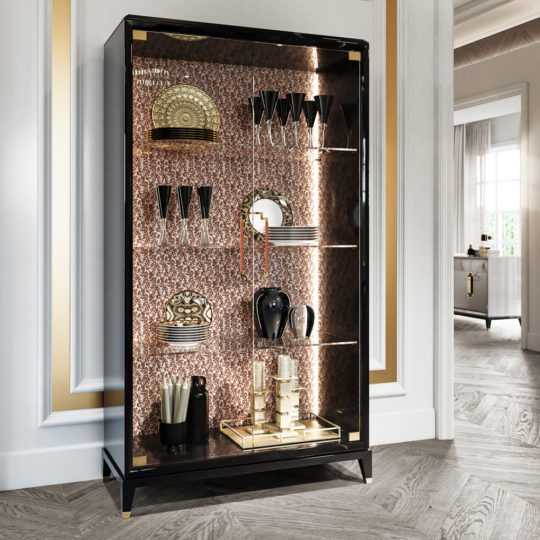
Home bar and luxury barware
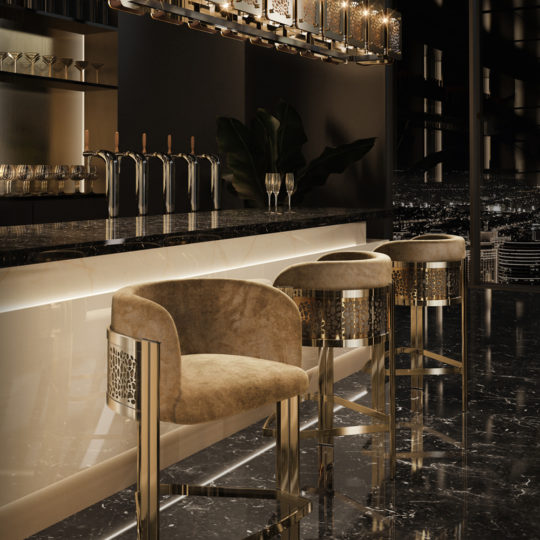
Whether you’re opting for a dedicated home bar, a decadent drinks cabinet, or a sleek drink trolley, the right luxury barware and accessories such as glassware, decanters, and cocktail tools elevate the experience. For seating, bar stools should strike a balance between comfort and design—consider plush upholstered seats, elegant metallic accents, or sculptural silhouettes to complement the space. Together, these elements create a polished and inviting setting, perfect for mixing, serving, and enjoying drinks with guests in true luxury.
-
Exclusive Curved Bar Stool£5,609.04
-
Modern Silver Leaf Cabinet£10,910.00
Luxury dining room interior design: crafting your lighting scheme
A well-executed lighting scheme is a cornerstone of luxury dining room design. The right lighting not only enhances the ambience but also sets the tone for memorable dining experiences. Get it right, and your dining room transforms into an inviting space for everything from intimate dinners to elegant soirées. Get it wrong, and the space risks feeling overly harsh or uncomfortably dim.
Layering your lighting is the key to achieving the perfect balance of illumination. Combine ambient lighting for overall brightness, task lighting for functional purposes like food presentation, and accent lighting to highlight architectural or decorative focal points. This multi-dimensional approach ensures that your dining room feels both inviting and practical, whether you’re hosting a grand feast or a casual gathering.
Ceiling lights
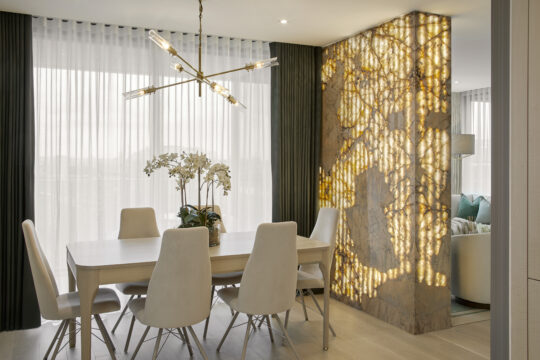
Ceiling lights often act as the primary lighting source in dining rooms, and they set the tone for the entire space. A statement chandelier above the dining table serves as both a functional fixture and a stunning focal point. Whether you opt for a modern contemporary design, an oversized classic chandelier, or an Art Deco tiered design, the right ceiling light can define the character of the room.
For those seeking a subtler touch, sleek, contemporary pendant lights or recessed ceiling lighting can deliver a polished, minimalist aesthetic. Ensure your lighting complements your dining table’s style and size to create a cohesive and balanced design. Height and drop are also key factors to consider based on the ceiling height in the room.
Accent lighting
Wall lights can enhance your dining room’s atmosphere by softly illuminating the space without overpowering it. Use them to highlight artwork, architectural features, and to add warmth and depth along the walls.
Accent lighting is ideal for highlighting focal points showcasing your dining room’s unique elements, such as a decorative sideboard, a curated art collection, or a statement drinks cabinet. Cabinet lighting or LED strips under shelves can bring attention to key pieces, adding sophistication while providing practical illumination.
Task and functional lighting
Functional lighting is essential for specific tasks, such as serving and presenting food. Integrated lighting in buffets or sideboards ensures that your dishes are beautifully displayed, while under-table lighting can subtly add depth and visual intrigue to the space. This is even more of a consideration given the other functions you may be using your dining room for, such as a workspace, or a creative zone. Using a combination of, floor lamps, and table lamps as task lighting in your dining room can significantly enhance the functionality of the space, whilst also adding to the ambience.
Side tables and occasional seating
The use of bar tables and occasional chairs adds versatility to your luxury dining room design. Whether it’s a chic chaise longue, a plush sofa for sinking into with a fine whiskey, or a stylish pair of armchairs for relaxed after-dinner conversation. Thoughtfully placed side tables ensure your guests always have a place to rest their glasses. Together, they transform your dining space into a refined retreat for unwinding or entertaining in style.
Mirrors
The right luxury mirror can transform your dining room, adding depth, light, and a touch of opulence. Positioned to reflect a stunning chandelier or a beautifully set table, amplifying the sense of space and brightness. Choose ornate frames for a classic touch or sleek, modern designs for a contemporary feel—either way, a well-placed mirror enhances the dining experience and adds an undeniable sense of grandeur.
Luxury dining room interior design: Finishing touches
With all of your key luxury dining room furniture carefully curated, you can start to add those finishing touches that elevate both form and function. A crystal decanter filled with a fine vintage, elegant serving trays, and a polished ice bucket add a layer of sophistication to your dining experience. These details, while small, create a cohesive and luxurious environment that ensures your dining room is as welcoming as it is stylish—perfect for hosting memorable soirées or intimate dinners. It’s these final accents that truly bring your space to life.
And there you have it—a thorough luxury dining room interior design guide filled with ideas, insights, and practical tips for every step of the process. With so many elements to consider, it’s worth exploring the option of collaborating with an experienced interior designer to help bring your vision to life seamlessly and stylishly.
Why use an interior designer?
An interior designer does more than enhance aesthetics—they help you avoid costly mistakes while saving you time and stress. From keeping your project on schedule and within budget to curating luxury furniture or designing bespoke pieces crafted just for you. By working with a trusted network of master craftsmen and artisans, we will deliver a dining room interior design project unique to each client. We translate our client’s vision into reality.
Working with our award-winning interior designers will elevate your dining room interior design journey to new heights. Our expert team combines creativity, technical skill, and a refined eye for detail to help shape and perfect your vision. Through a collaborative and bespoke process, we ensure your dining space is not only tailored to your preferences but also exceeds your expectations in both form and function.
Luxury dining room interior design, London UK
If you’re ready to explore the possibilities for your dining room, book an appointment at our London design studio. Or give us a call and speak with one of our designers to discuss your vision +44 (0) 203 131 4515 or email us at sales@juliettesinteriors.co.uk. Let’s create something extraordinary together!